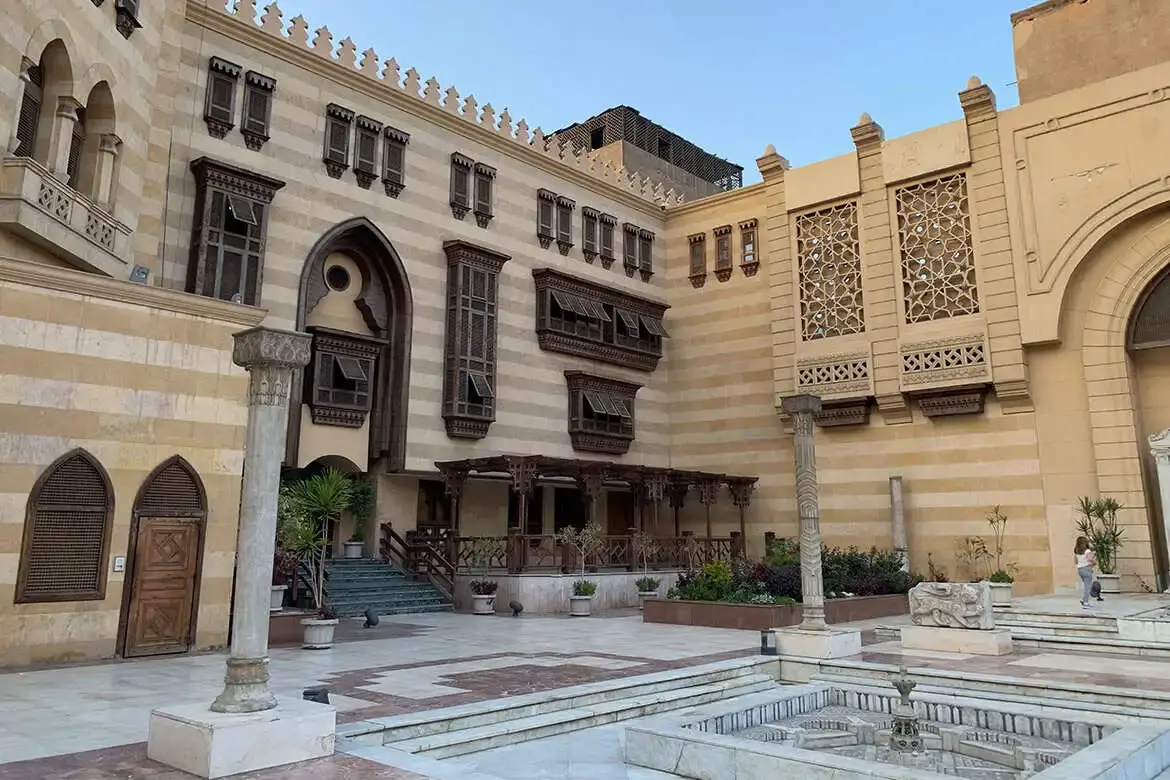
The Museum of Islamic Art in Cairo stands as one of the world’s foremost institutions devoted to the preservation and display of Islamic artistic heritage.. It houses a wide range of artifacts, including manuscripts, textiles, ceramics, metalwork, and woodwork from various Islamic eras and regions. Visitors can explore complex examples of calligraphy, architecture, and handicrafts that trace the development of Islamic culture. The museum offers a rich educational experience through well-curated exhibitions and informative displays. It is located in the heart of Cairo, making it accessible to tourists exploring the city.
Museum of Islamic Art in Cairo overview
The Islamic Museum of Art in Cairo is a leading international institution dedicated to Islamic heritage, housing more than 100,000 artifacts from the 7th to the 19th centuries. Located in the Bab al-Khalq area, the museum houses treasures from Egypt, Iran, Andalusia, and elsewhere, covering fields such as calligraphy, astronomy, ceramics, manuscripts, textiles, and metalwork. Housed in a stunning new Mamluk building, the museum offers a highly immersive experience, highlighting the artistic and intellectual achievements of Islamic civilization over centuries of cultural brilliance.
Why it’s worth a visit
The Museum of Islamic Art in Cairo is worth visiting for the following:
- It houses one of the most important and diverse collections of Islamic artifacts in the world, spanning more than a thousand years and showcasing artistic achievements from across the Islamic world.
- Well-organized and well-maintained, the Museum of Islamic Art offers a comprehensive overview of various eras and art forms, from intricate metalwork and rare manuscripts to vibrant ceramics and textiles.
- The museum's beautiful architecture and relatively peaceful atmosphere also make it a worthwhile cultural experience amidst the bustling city environment.
Wide and diverse range
- The museum's collection is huge, with more than 100,000 pieces, with approximately 4,500 pieces on display at any given time.
- It houses a wide range of artifacts from all over the Islamic world, including Spain, India, and all over Egypt, with pieces dating from the Umayyad to the Ottoman era.
- The collection includes rare woodwork, metalwork, ceramics, glass, crystal, textiles, carpets, weapons, and armor.
Educational and sequential overview
- The exhibits are organized chronologically and by material, allowing visitors to trace the development of Islamic art and culture across different dynasties.
- Information panels are provided in English and Arabic to explain the history and significance of the pieces and the empires they represent.
Architectural and aesthetic appeal
- The building itself is an architectural marvel that complements the historical art it houses.
- Visitors can enjoy the beauty of art in a clean, well-lit, and quiet environment, a welcome respite from the busy city streets.
Unique and attractive pieces
- Notable artifacts include rare manuscripts of the Holy Quran, some written in silver ink.
- The 8th-century Holy Quran and the 15th-century astrolabe, once used as the ancient GPS, are among the many highlights.
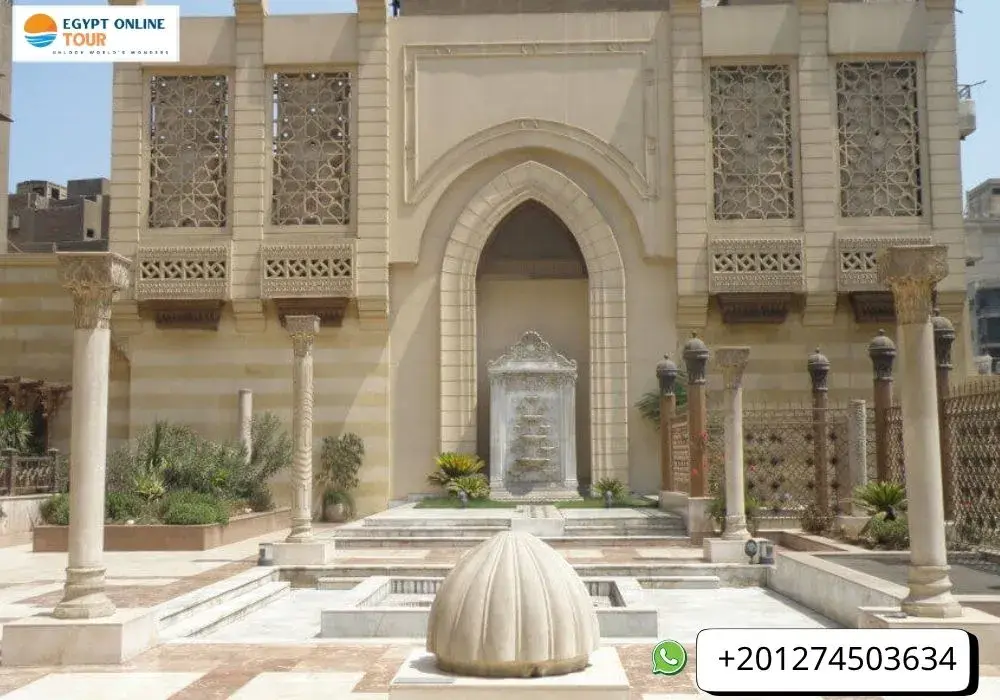
Location and access
The Islamic Museum of Art is located in the historic district of Cairo, which is located in the Bab al-Khalq area, in the heart of Old Cairo, and has an address on Port Said Street, Ahmed Maher Pasha Square, Bab al-Khalq, Cairo, Egypt. The Islamic Museum of Art is accessible to everyone via various means of transportation and is located in the golden capital, Cairo. Everyone can choose to take a taxi or ride-sharing service to the museum. Instead, public buses and the Cairo Metro provide quick and safe access to the area, and the nearest metro station is Sadat Station, which is about a 15-minute walk from the museum.
Bab Al‑Khalq directions
The Museum of Islamic Art in Cairo is located in the historic Bab al-Khalq area, on Port Said Street, Ahmed Maher Pasha Square.
Here are directions on how to access it:
By taxi service or ride sharing
This is often the most convenient option. Simply tell the driver that you are going to the "Museum of Islamic Art in Bab al-Khalq" or "Mathaf el fann el Islami." Most drivers know the location, which is close to the historic center of the city.
By metro (subway)
The Cairo Metro provides quick access, avoiding heavy traffic in the Old City.
- The nearest station is Mohamed Naguib Station, which is about 850 meters (10-15 minutes' walk) from the museum.
- Instead, Attaba station is about 1.8 km away.
- Sadat Station is also a convenient option, located about a 15-minute walk away.
By bus
Many public bus lines stop near the museum on Port Said Street. Look for buses with the following route numbers: 63, 66, 166, 815, 924, 926, 149, 235, 406, 1026, 1031, and 1065.
By car
Driving is possible, but parking is very limited in the area within the city's congestion zone. There is a public parking lot near Port Said Street.
Best time to visit

The best time to visit the Museum of Islamic Art in Cairo is early morning (around 9:00 AM) on weekdays to avoid crowds. The best months to visit Cairo in general for comfortable weather and fewer tourists are from March to May and from September to November.
Quiet hours and cooler slots
Best day of the week:
- Fridays are usually very crowded with locals.
- Monday through Thursday are usually less crowded.
Best time of day:
- Go early and arrive immediately after the museum opens, around 9:00 AM, to avoid crowds.
The best months to visit Cairo in general (for nice weather):
- Transitional seasons: March to May and September to November provide comfortable temperatures and fewer tourists.
- High season: Winter is also very popular due to the cold temperatures.
Read about: How to Plan a Trip to Cairo Egypt
Galleries and layout
25 total galleries house some 4,500 artifacts, with thousands more in storage.
Period sections
1-Fatimid galleries
This collection of painted Fatimid ceramic dishes features beautiful scenes of dancers, knights, and musicians decorated with floral and geometric motifs.
You don't usually find images of humans in much Islamic art because Sunni thought is largely opposed to depicting living beings (the creation of living forms is believed to be unique to God). But the Fatimids were Shiites and therefore had a more relaxed view of human painting (similar to the Persians, who were also Shiites).
Fatimid images feature round, moon-shaped faces and almond-shaped eyes. They often wear the turbans and hats that were prevalent in that period.
The collection also includes ceramic fragments bearing images of a bearded, long-haired Jesus, which testify to Fatimid religious tolerance toward Coptic Christians.
2-Mamluk galleries
This impressive collection of blazons (or coats of arms) provides insight into the culture and society of the Mamluk sultans.
Don't miss the logo of al-Gashinkir, who sampled the food before bringing it to the Sultan to make sure it was not poisoned.
Another logo depicts polo sticks. The Mamluks loved to ride horses and loved to play polo in the large square next to the Sultan Hassan Mosque.
The collection also includes the six-petalled rosette blazon used as the emblem of the influential Qalawun dynasty (top, top), builders of the magnificent complex onAl Moez Ldin Allah Al Fatmi Street in Khan al-Khalili.
Blazons form a massive decorative element in Mamluk art, appearing on anything from massive buildings to delicate glass lamps. They symbolize a specific position and were often used by princes and sultans on buildings, objects, and property to indicate ownership.
3-Ottoman galleries
This colorful collection of Ottoman and Muhammad Ali ceramics is decorated with floral patterns, lotus flowers, saz leaves, and arabesques in bright blue and red.
The collection includes Iznik pottery, which combines traditional Ottoman styles with Chinese traditions of blue and white porcelain.
Ottoman porcelain reached high levels of perfection and ranged from plates and cups to perfume bottles and Hajj bottles. It was also very popular in European markets.
Ottoman ceramics often used vegetal motifs, and some patterns were symbolic to the Ottomans and had special significance.
You may be interested in What are some traditions in Egypt.
4-Galleries of the Eastern Islamic World
This beautiful collection of Iranian ceramics is decorated with flowers, imaginary creatures, and characters from Persian epic poems.
They are manufactured using enamel technology, or enamel, which involves applying glazes in separate stages that all require different burning temperatures.
Some pieces are decorated with scenes from the Persian epic poem Shahnameh depicting Prince Bahram Gur hunting with his concubine Azada.
Other pieces illustrate scenes from "The Seven Wise Princesses," a medieval Persian epic in which the king invites seven princesses from distant lands, each telling her own story of magic and wisdom.
5-Calligraphy galleries
The museum’s left wing features three dedicated galleries showcasing an exquisite selection of calligraphy and historic manuscripts.
Hand-painted masterpieces include texts on topics ranging from chivalry to the morals of the Prophet Muhammad, as well as gilded versions of the Qur'an.
Don't miss Hilya's manuscript, featuring a round medal that describes the features and appearance of the Prophet Muhammad.
Other manuscripts depict fencing and other types of games that were popular during the Mamluk era in Egypt.
Explore ourEgypt Meditation and Spiritual Tours.
Material sections
There are different materials inside the Museum of Islamic Art in Cairo:
- Metals: include copper pieces, intricate brass, and silverware.
- Wood: Features artistic wood panels, screens, and furniture.
- Textiles and Carpets: Displays ancient carpets and embroidered fabrics from various Islamic eras.
- Ceramics and Pottery: Displays a variety of decorative tiles, vases, and bowls.
- Glass: Includes a collection of glass products.
- Manuscripts: It includes a collection of rare manuscripts, including Qur'ans from different regions such as Egypt, Iran, and Spain.
- Coins: Contains a collection of coins.
- Weapons: Displays a collection of historical weapons and armor.
- Stones and Marble: Displays artifacts made of stone and marble.
- Ivory: Characterized by objects made of ivory.
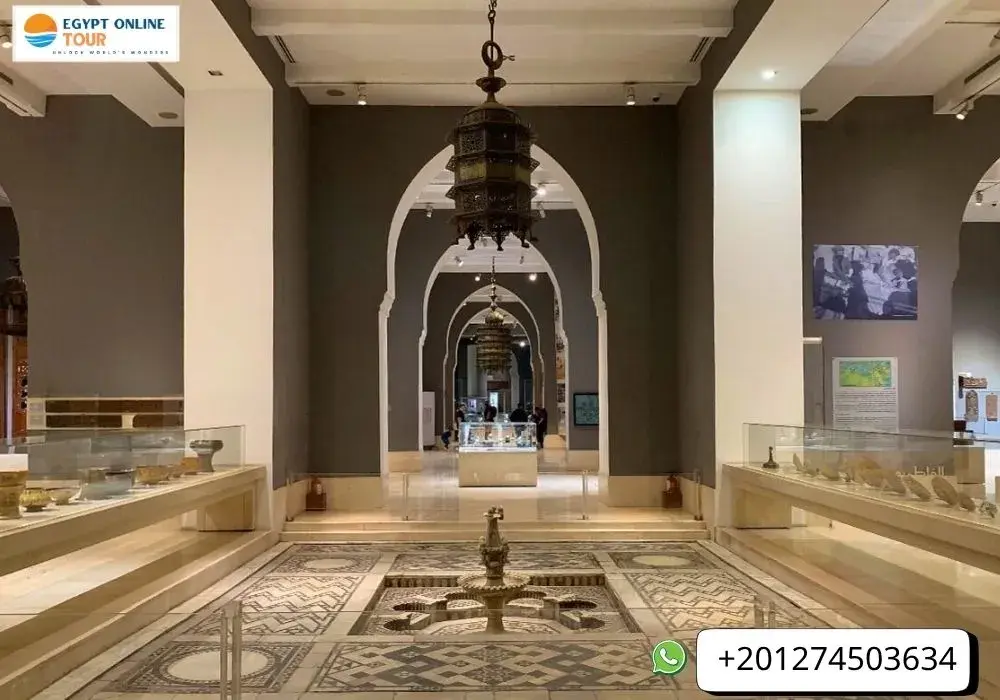
Must‑see highlights
Must-see highlights at the Museum of Islamic Art in Cairo include its extensive collection of Mamluk lamps and rare illuminated Qur'ans.
Mamluk lamps
The magnificent glass lamps show how the Arabic language itself is used as a decorative element in Islamic art.
History:
Mosque lamps were manufactured during the Mamluk era in Egypt and Syria. They were often given to Mamluk sultans as gifts. More mosque lamps dating back to the Mamluk era are on display inside the museum's Mamluk galleries.
Shape:
These oil lamps have a large circular body that rises to a narrow waist and then expands upward.
Decoration:
The lamps are made of multi-colored enamel and decorated with a Quranic verse from Surat An-Nur (or Verse of Light), which compares God's light to a bright crystal lamp inside a mihrab. Because the Qur'an was revealed to the Prophet Muhammad in Arabic, the Arabic language itself is considered a form of high art that is almost sacred. The Arabic text was created by highly professional calligraphers and is shaped like lamp curves.
Purpose:
They were to be hung in chains and used to light mosques and other buildings within mosque complexes. The enamel would have created a magnificent scene that casts its silhouette on the walls of the mosque in the evening.
Learn more about: How to Enjoy a Classic Holiday in Egypt
Illuminated Qurans
The Museum of Islamic Art in Cairo houses numerous illuminated Qur'anic manuscripts, including some of the oldest and most ornate manuscripts ever, with examples featuring intricate geometric and floral designs in gold and silver ink. Highlights of the exhibits include a Qur'an dating back to the 8th century AD written in early Kufic script on parchment, as well as other treasures from the Mamluk era commissioned by the sultans with stunningly decorated pages and elaborate calligraphy.
Examples of decorated Qurans in the museum
The Holy Qur'an from the eighth century: an early version in brown ink on parchment featuring a geometric, angular Kufic script.
Mamluk Qur'ans: Many Qur'ans from the Mamluk era are on display, including a seven-volume collection famous for its magnificent Mamluk-style double front pages, which use extensive geometric patterns and gold motifs. One example is a copy commissioned by Sultan Jaqmaq (1438–1453) with elaborate decorations and floral motifs.
The Qur'an from the reign of Sultan Nasir al-Din Muhammad: It includes a manuscript from December 1313 with golden and decorated details, famous for its high artistic quality and the names of its calligrapher and decorator.
The Holy Qur'an in one volume: a copy from around 1380, written in ink, color, and gold on paper.
Calligraphy and manuscripts
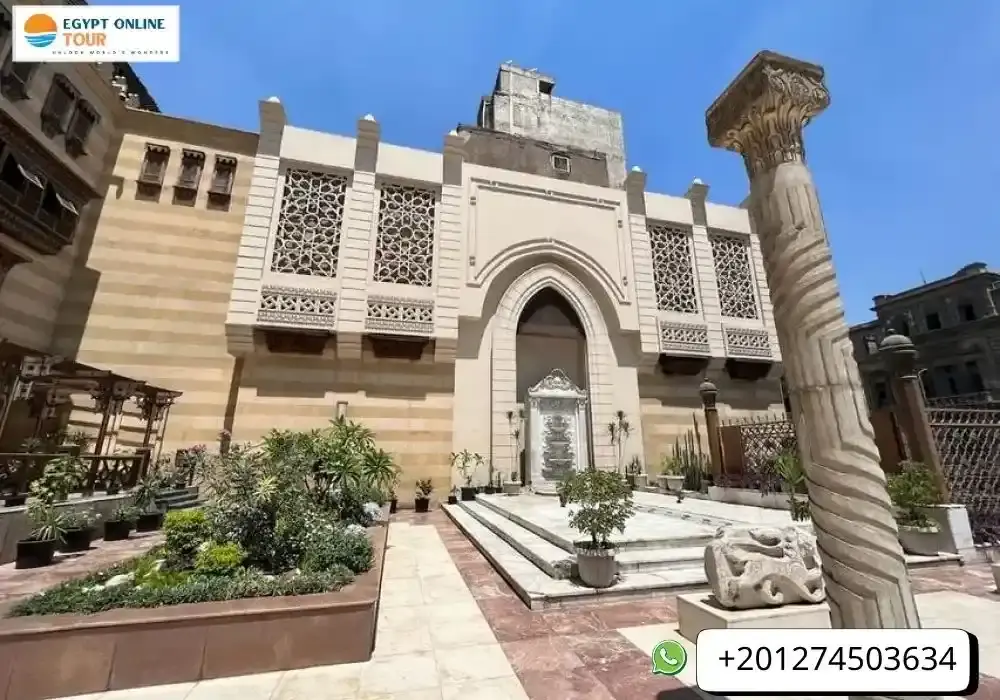
The Islamic Calligraphy Department includes a wide range of wonderful calligraphy works that showcase the ingenuity and beauty of Arabic calligraphy.
Manuscripts and miniatures are precious Islamic manuscripts and miniature paintings that showcase the literary and artistic achievements of the Islamic world.
Kufic Thuluth Naskh
The Museum of Islamic Art in Cairo displays Kufic script, Thuluth, and Naskh on a variety of artifacts, from early Qur'anic manuscripts written in the geometric Kufic language to Mamluk-era objects inlaid with Thuluth texts and ornate Naskh. These different styles are represented across the museum's collection, showcasing the development and decorative use of Arabic calligraphy from its early angular form to its later, more rounded and ornate styles.
learn more about: Egypt Classic Tours
Woodwork and minbars
The woodworking section contains artistic wood panels, screens, and furniture that embody the skill of Islamic woodworkers.
The wooden minbar is a double door (topped by a muqarnas frieze with traces of painted floral decorations) that opens onto a seven-step staircase, at the top of which is a small landing strip topped with an onion-shaped dome. Almost all of the pulpit's exterior surfaces are decorated with geometric patterns inlaid with ivory panels, like mosaics. Some of these patterns are very bold, such as the 16-pointed stars and polygons on the triangular side panels, while others are denser and more complex, such as the pattern on the double entrance doors. The pulpit bears several inscriptions on carved wooden or ivory panels. Some of them are Qur'anic verses located above the front and back of the pulpit doors. Other inscriptions praise Sultan Qaitbay and wish him a long reign.
Inlay and carving
The Museum of Islamic Art in Cairo houses a large collection of Islamic artifacts, including examples of "inlay and sculpture" commonly found in works such as the minbar(s), decorated with geometric patterns, Arabic motifs, and Arabic inscriptions. These decorative techniques, along with inlay, are used to decorate architectural elements and objects. Although specific exhibits on inlay and sculpture from the museum's collection are not detailed here, the museum's focus on historical Islamic art ensures that this craftsmanship is displayed.
Don’t miss the opportunity to discover our Cairo Day Tours.
Metalwork and instruments
The metalwork sections are an attractive display of metal objects, such as intricately engraved brass and copper pieces, as well as exquisite silver cutlery. The metalwork sections are an attractive display of metal objects, such as intricately engraved brass and copper pieces, as well as exquisite silver cutlery.
Inlaid brass and astrolabes
Once you cross the entrance, you will find a hall at the back end of the middle of the hall, and you will not miss this beautiful door made of wood and decorated with copper pieces, while to the left of the door is the key to the Kaaba and a tool that was used in the past to determine the direction of the Qiblah, which is the direction that every Muslim uses at the time of the five daily prayers. This tool dates back to the Ottoman era in the twelfth century AH/eighteenth century AD and can be considered an early invention of the modern compass. It was made of wood during the reign of Sultan Mahmud I and signed by its maker, Baron Al-Mukhtar, and dated 1151 AH (1739-1738 AD). It has different drawings of the Kaaba and a drawing of the upper half of the earth up to the equator.
Let our local travel experts help you design the perfect itinerary. Whether you're seeking adventure, culture, or relaxation, we've got you covered!
Ceramics and glass
The ceramics and pottery section has a variety of porcelain and pottery, including decorative tiles, vases, and vessels, showcasing the mastery of Islamic potters.
The museum also holds some rare and unique glass pieces that clearly demonstrate the level of excellence and precision achieved by Muslim craftsmen in their craft.
Fatimid ware and enameled glass
The Museum of Islamic Art in Cairo houses large collections of Fatimid ware, reflecting the artistic achievements of the Fatimid Caliphate (969–1171 AD) in Egypt. While the museum houses a wide collection of Islamic art from various periods and regions, the Fatimid era constitutes a major focus due to its historical importance in the region. This includes prominent architecture such as Al-Azhar Mosque and other structures, as well as a wide range of objects such as ceramics, metalwork, and textiles.
Historical context:
The Fatimid Caliphate ruled much of North Africa and the Middle East, and its rule left a lasting legacy on Cairo's architecture and art.
Types of Artifacts:
The museum's collection includes many examples of Fatimid art, including intricately decorated ceramics, metalwork, textiles, and coins.
Architectural significance:
Cairo itself is a UNESCO World Heritage Site, partly due to its important Fatimid architecture, such as Al-Azhar Mosque, which can be visited independently of the museum.
Collection scope:
The Museum of Islamic Art in Cairo is the largest of its kind in the world, housing more than 100,000 artifacts covering the entire period of Islamic history and geography.
The Museum of Islamic Art in Cairo houses one of the largest collections of enameled glass in the world, with a particular focus on mosque lamps and decorative objects dating back to the Mamluk era. Made from the 13th to 14th centuries, these intricate pieces are known for their detailed enameled and gilded designs, which often feature Qur'anic inscriptions and intricate geometric patterns. The museum's collection highlights the technical mastery and artistic development of Islamic glassmakers during this period.
Main aspects of the enameled glass
Mosque Lamps: The museum houses a wide collection of mosque lamps made of enameled glass, which were essential to mosques and were decorated with intricate motifs and lines.
Mamluk era: A large part of the collection dates back to the Mamluk era, the period when the glass industry flourished in Egypt and Syria. The museum's holdings reflect the Mamluks' demand for large numbers of beautiful artistic lanterns for their construction projects.
Precision craftsmanship: Enameled glass pieces feature vibrant colors and elaborate decorations, which are applied and burned in one skillful process to maintain the integrity of the glass.
Decorative and functional art: Objects were functional (such as mosque lamps) and purely decorative, often including religious texts and royal names in their design. Some components, such as the decorative "eggs" under the lamps, had the dual purpose of improving appearance while also preventing the suspension chains from tangling.
Read about: Unique Things to Do in Egypt
Textiles and carpets
The Textiles section includes ancient carpets, embroidered fabrics, and stunning textiles from various Islamic eras.
Coptic‑Islamic textiles
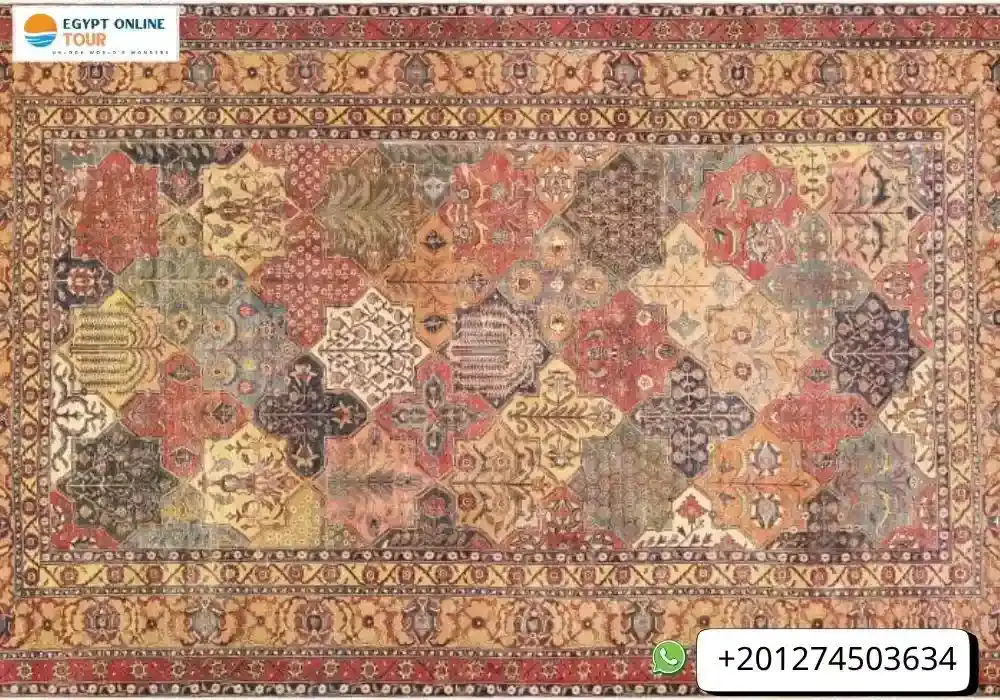
The museum contains an ancient collection of Coptic and Islamic textiles and a rare collection of ancient carpets from Iran and Khorasan.
Family and accessibility
The Museum of Islamic Art is a convenient and enriching option for families and children, especially if you are interested in history or art or want a break from the ancient Egyptian theme.
Learn more about How to Plan a Family Vacation in Egypt from USA.
Kid‑friendly stops
Educational value: The museum offers clear, bilingual (Arabic and English) interpretations of Islamic history, daily life, and art. The shows are organized and easy to follow, making them accessible to school-age children and teens.
School Discounts: If you bring your children, especially students, don't forget their school ID cards to get a discount on admission.
Inspiration for children: The museum is often visited by local school groups and university students, and a variety of beautiful artifacts can inspire creativity and curiosity.
Clean facilities: The bathrooms are modern and clean, which is useful when visiting with children.
After 2014 Restoration
The 2014 restoration date indicates reopening after extensive renovation work that was necessary after the 2008 bombing and was completed in 2010.
Damage and recovery
The Museum of Islamic Art in Cairo was severely damaged by a bombing targeting the neighboring Cairo Security Directorate in 2014. Damage included the destruction of the museum building and the destruction or damage of 179 artifacts (of which 74 were completely destroyed, mostly glass and porcelain). Most of the damaged pieces were restored, and the restoration of the museum and collections took several years and included updates to the building and security systems.
Damage to the museum
Structural damage: The ancient building itself was damaged, especially the eastern facade and parts of the ceilings and interiors.
Damage to artifacts:
- 179 artifacts were directly destroyed.
- 74 pieces were completely broken or shattered, including glass lanterns, lamps, vessels, and some wooden pieces such as the mihrab of Mrs. Ruqayyah.
- 26 pieces disintegrated.
- Some wooden pieces, such as the Hijazi Tatar pulpit, were damaged.
Museum restoration efforts
Initial restoration: Rescue teams from the museum's archaeologists carried out first aid operations immediately after the accident to protect the remaining pieces.
Building security updates: Facade glass has been updated, break- and sound-resistant interior doors have been installed, and the surveillance camera system has been updated.
Restoration of artifacts: 90 of the 179 damaged pieces were restored, while some glass pieces could not be restored.
Complete Restoration: Restoration and development took years to restore the building and its contents to their natural state.
Reopening updates
The 2014 restoration date indicates reopening after extensive renovation work that was necessary after the 2008 bombing and was completed in 2010.
Plan Your Visit
To plan a visit to the Museum of Islamic Art in Cairo, try to arrive early on weekdays, preferably Monday through Thursday, to avoid crowds.
Hours and tickets
Opening hours of the Museum of Islamic Art:
- From Saturday to Thursday: The museum is open from 9:00 am to 5:00 pm.
- On Friday, it is open from 9:00 am to 11:30 am and from 1:30 pm to 5:00 pm.
- During Ramadan, it is open from 9:00 am to 3:00 pm
- Note: The ticket office closes one hour before closing time
Admission ticket prices:
The Museum of Islamic Art in Cairo offers free Admission for the following:
- Children aged 0–5
- Egyptian and Arab citizens aged 60+
- Egyptian and Arab citizens with special needs
- Orphaned children
- Public primary and preparatory school trips
Learn more about the Cheapest Time to Go to Egypt.
Photo policy and services
Visitor Services
The museum offers a range of services and amenities for a comfortable visit:
Private guide and skip‑the‑line
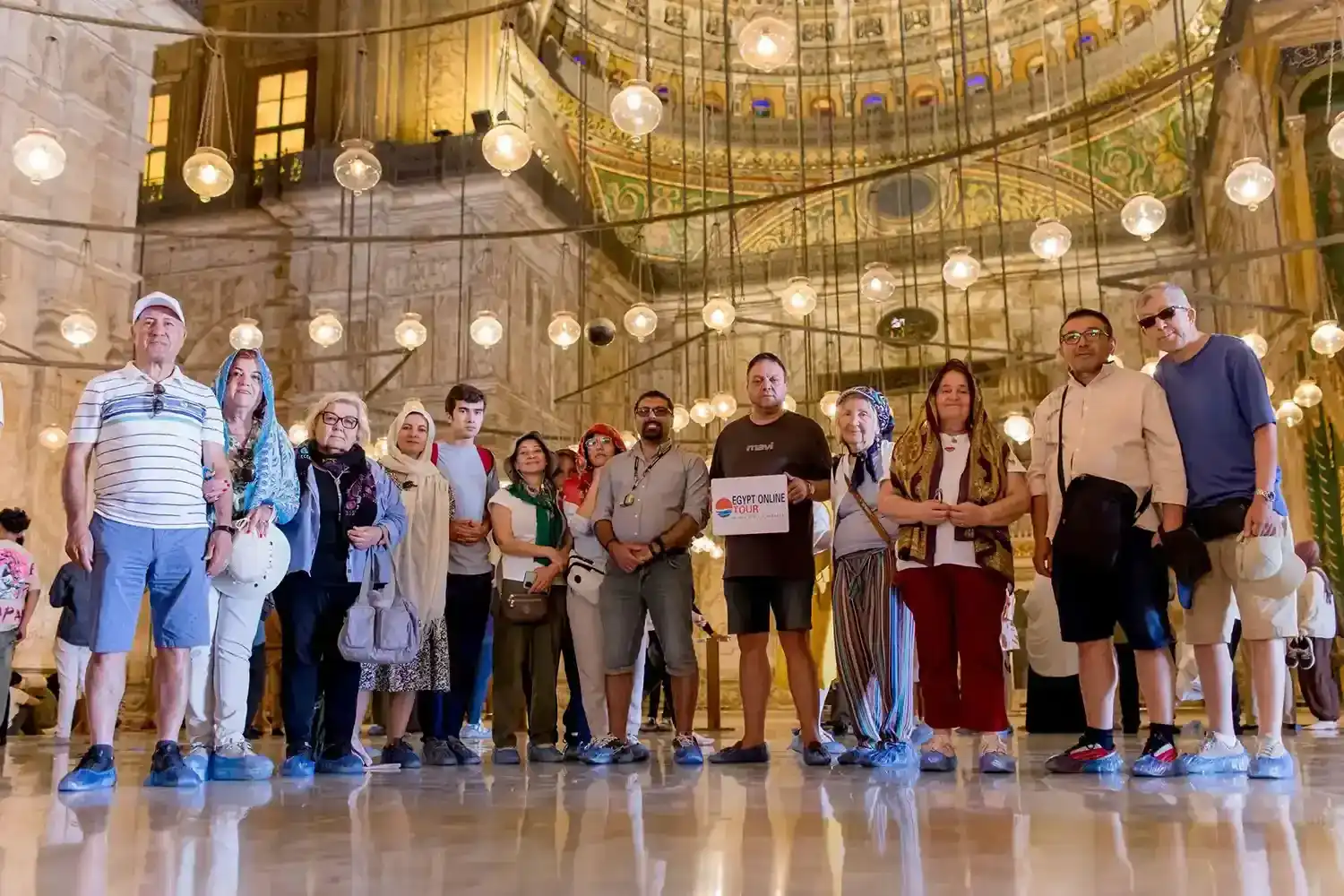
You can get a private guide and wait-free access to the Museum of Islamic Art in Cairo by booking a guided tour through Egypt Online Tour.
- Our tours typically include an air-conditioned private vehicle, an informed local guide, and pre-purchased tickets to bypass the regular ticket line.
- We also offer a special entrance to skip the line, which means using a special entrance to bypass even the fast-track line.
- We also have magical Egypt tour packages, so we can arrange your visit to Egypt for a wonderful experience.
If you are dreaming guided tour inside the Museum of Islamic Art in Cairo with a professional tour guide, contact us now.
Let our local travel experts help you design the perfect itinerary. Whether you're seeking adventure, culture, or relaxation, we've got you covered!