Pricing policy
All prices are per person in US dollars and depend on the size of your group. Your quote lists the final price and what it covers. After the deposit, changes to your plan cost US$25 per request, plus any third-party fees.

A 13-hour private day from Cairo to Rashid in the Nile Delta: the Ottoman brick houses, the Rashid National Museum and Fort Qaitbay, where the Rosetta Stone was found in 1799. Hotel pickup in Cairo or Giza, an Egyptologist, a private car, entrance tickets and lunch are included.
Rosetta, Rashid in Arabic, sits on the western branch of the Nile a few kilometres before it reaches the Mediterranean. Most people know the name from the Rosetta Stone, the decree in three scripts that let scholars decipher hieroglyphs, found here by French soldiers in 1799. Fewer know the town itself, which keeps one of the largest groups of Ottoman-era houses in Egypt: tall merchants' homes of red and black brick with carved wooden screens, built when Rashid was the country's busiest port in the 17th and 18th centuries. It is quiet, unpolished and very much a working town, which is part of its charm.
This is the Rosetta trip for travelers based in Cairo. Your Egyptologist and driver collect you early from your hotel in Cairo or Giza and drive north through the Delta, about three hours each way. In Rosetta you visit the Rashid National Museum in an Ottoman house, walk the old streets and market to two more historic houses and the mosque raised above shops, stop by the Nile, eat a fish lunch and finish at Fort Qaitbay before the drive back. It is a long day of about thirteen hours, most of it seated in a private air-conditioned car. If you are staying in Alexandria, take our shorter Rosetta day trip instead.
It is a weaker fit if long drives are hard for you, or if you expect the original Rosetta Stone: it has been in the British Museum in London since 1802, and the town shows a replica. For a shorter day by the sea, see our Alexandria day tours.
Rosetta has few signs in English and almost no visitor infrastructure. Your Egyptologist reads the inscriptions over the doors, explains how the houses were organised around trade, family life and privacy, and tells the story of the Stone: a decree of the priests in honour of Ptolemy V from 196 BC, written in hieroglyphs, Demotic and Greek, and the work of Thomas Young and Jean-François Champollion that it made possible.
Times assume a 07:00 pickup in central Cairo; your guide changes the order to fit opening hours and any house that is closed for restoration.
Your Egyptologist and driver meet you in the lobby. The drive north takes about three hours, with a coffee stop on the way, and your guide uses it to tell the story of the Delta, the Nile's two branches and Rosetta's rise as a port.
The museum fills one of Rosetta's grand Ottoman houses, the house of Arab Killi, a governor of the town. Over its floors you see a replica of the Rosetta Stone, weapons and documents from the town's resistance to a British expedition in 1807, furniture, costumes and the rooms themselves, with their painted ceilings and wooden screens.
A walk through the lanes of the old town, past the fish, vegetable and bread stalls of the market, to two or three of the restored houses, such as the Amasyali House with its carved woodwork and the Abu Shahin mill next door, where animals once turned the millstones. Your guide explains how these houses kept trade on the ground floor and family life above.
Visits to the large Zaghloul Mosque, with its forest of reused columns, and to the small mosque raised above a row of shops, known as the hanging mosque. Outside prayer times you can step inside both, dressed modestly and with shoes off.
Lunch at a local restaurant in town, usually grilled or fried fish with rice and salads; a vegetarian meal is available on request. Afterwards a short stop on the Nile corniche, with the river boats and, on the far bank, the hill of the Abu Mandour mosque.
A few kilometres north of the town stands the fort built by Sultan Qaitbay in the 15th century to guard the river mouth, later rebuilt by the French as Fort Julien. It was here, in July 1799, that soldiers repairing the walls found the Rosetta Stone. You walk the ramparts and the small display, and your guide explains how the Stone reached London and how Champollion read it in 1822.
You leave Rosetta in the mid-afternoon and arrive back at your hotel in Cairo or Giza between 19:30 and 20:30, depending on traffic.
Prices are per person in US dollars. Children pay less, see the children policy below.
Get a quoteThe museum, the historic houses and Fort Qaitbay open in the morning and close in the late afternoon; the guide plans the order so that every visit fits inside the opening hours, and confirms them for your date. Leaving Cairo at 07:00 gets you to Rosetta at about 10:00, before the midday heat. The best months are October to April; from June to September the Delta is hot and humid, and the walking part is kept short.
All the entrance tickets in the program are included and bought by your guide: the Rashid National Museum, the historic houses that are open on the day, and Fort Qaitbay. Some houses are under restoration from time to time; your guide replaces a closed one with another that is open.
Personal photos with a phone or camera are allowed at the museum, the houses and the fort, without flash. Tripods and drones need permits and are not part of this tour. In the market, ask before photographing people.
Pickup is at about 07:00 from any hotel in central Cairo, Zamalek, Garden City or Giza; you are back between 19:30 and 20:30. The drive to Rosetta is about 260 kilometres each way, usually via the Cairo to Alexandria desert road and the Delta, with a coffee and toilet stop on the way.
Older children who enjoy history do well; younger children may find the drive long. The houses have steep, narrow stairs and the fort uneven ground, so the day is not suitable for wheelchairs. The guide builds in breaks, and lunch is a long, seated stop.
All prices are per person in US dollars and depend on the size of your group. Your quote lists the final price and what it covers. After the deposit, changes to your plan cost US$25 per request, plus any third-party fees.
A deposit of 30% of the total tour cost confirms your booking. We send you a secure payment link for the deposit; the balance is paid in cash or by card on arrival in Egypt, unless your written offer gives another date. We never ask for card details by email, chat or WhatsApp. We confirm every booking by email.
No-show travelers are charged 100%. During peak events in Egypt, hotels and Nile cruises do not refund deposits. Groups of more than 10 people may have different terms.
Add each child and their age in the enquiry form so the quote is exact.
Add a lunch stop, a longer visit or a second site to your day. Tell us what you want and we add it to your quote with its cost.
Not included in the price: Any additional activities not mentioned in the itinerary; Tips (gratuities); Extra meals not included as part of the tour; Personal shopping expenses and souvenirs.
Tipping is customary in Egypt and is not included in the price. A usual amount for a private day tour is US$5 to 10 per person for your guide and US$3 to 5 for your driver.
About three hours each way, roughly 260 kilometres, with a coffee stop. The whole day lasts about thirteen hours, from a 07:00 pickup to an evening return.
No. The original has been in the British Museum in London since 1802. You see a replica in the Rashid National Museum and the fort where it was found, and your guide explains its text and how it was deciphered.
The town is the same, but this trip starts and ends at your hotel in Cairo or Giza. If you are staying in Alexandria or arriving by cruise ship, the tour from Alexandria is shorter and better value.
Yes to both. The guide and car are for your group only, and lunch at a local restaurant in Rosetta is included; drinks with lunch are paid locally.
Yes, on request. A boat to the Abu Mandour mosque or towards the river mouth can be arranged in Rosetta when the time allows; it is paid locally and makes the day about an hour longer.
Independent reviews on the platforms travelers already trust.
Amazing Egyptian vacation! We did an 11 day private tour of Cairo, cruise on the Nile between Aswan and Luxor and a 4 day stay in Hurghada. The guided tours were very interesting, with extremely knowledgeable guides, attentive and helpful.
Egypt package to the Pyramids of Giza and Saqqara was a fascinating journey through Egypt's ancient past ,guide knowledge, the majesty of the pyramids, and the historical depth of Saqqara made this tour truly enriching!
our honeymoon to Egypt ,Giza and Saqqara was a magical escape into history The pyramids looming in the distance, the quiet serenity of the desert, and the ancient wonders of Saqqara created moments that will be with me forever!
Answers to the questions travelers ask before they book.
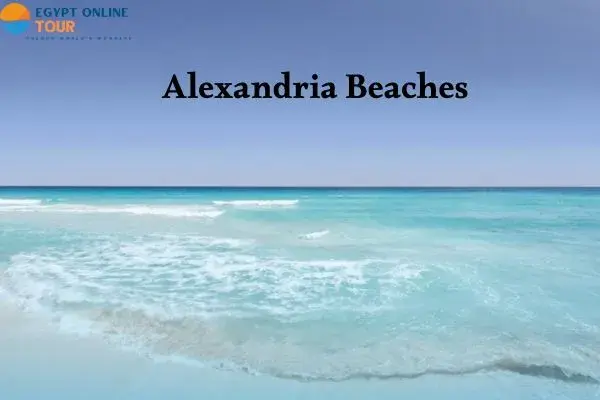
Discover the best Alexandria beaches for relaxation, swimming, and sunshine. Explore Egypt’s coastal charm with soft sands and refreshing Mediterranean waters.
Read the guide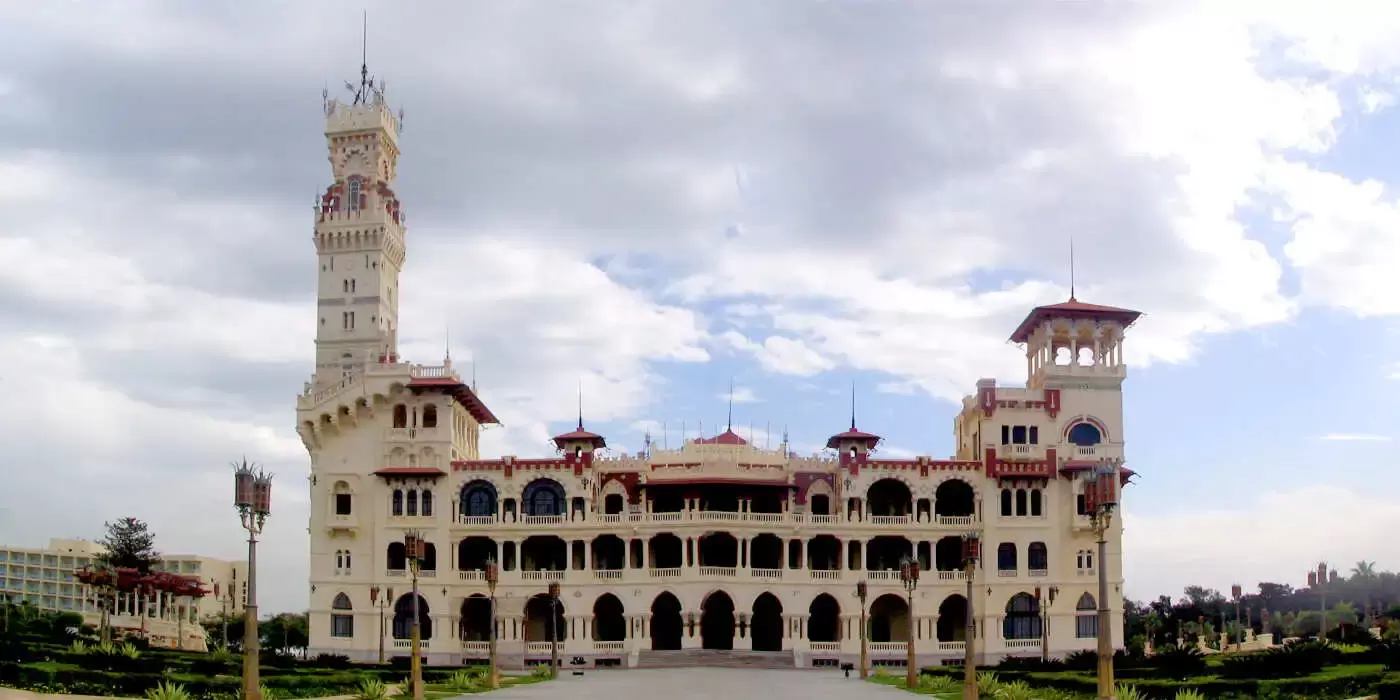
The palace most people mean by "King Farouk Palace" is the Montaza Palace in Alexandria, his summer home, where the gardens are open to visitors but the palace itself is not. In Cairo you can visit Abdeen Palace and his Nile rest house in Helwan, now the Farouk Corner Museum.
Read the guide
Alexandria is the seafood capital of Egypt. Our pick of the top fish restaurants, from Fish Market on the Corniche to Samakmak in Anfushi and Zephyrion in Abu Qir, plus how ordering by the kilo works, the dishes to try and how to fit a fish lunch into a day in the city.
Read the guideWe always use the cookies this site needs to work. With your permission we also use the optional ones listed under Settings. You can change your choice at any time. Privacy policy