Pricing policy
All prices are per person in US dollars and depend on the size of your group. Your quote lists the final price and what it covers. After the deposit, changes to your plan cost US$25 per request, plus any third-party fees.

A 9.5-hour private day trip from Aswan by air-conditioned car across the desert: the Great Temple of Ramesses II and the Temple of Nefertari, moved block by block in the 1960s. Pickup from your hotel or Nile cruise, an Egyptologist, entrance tickets to both temples and water are included.
Abu Simbel stands on the shore of Lake Nasser, about 280 kilometres south of Aswan and close to the Sudanese border. Ramesses II had two temples cut into the sandstone cliff here in the 13th century BC: the Great Temple, with four seated colossi of the king, each about 20 metres tall, and the smaller Temple of Hathor, dedicated to his queen Nefertari. When the Aswan High Dam was built, the rising lake threatened both. Between 1964 and 1968 an international UNESCO campaign cut the temples into blocks and rebuilt them 65 metres higher, inside artificial hills, where you see them today.
This private day trip starts before dawn. Your driver and Egyptologist pick you up at your hotel or Nile cruise in Aswan, and you cross the Western Desert on a straight road of about three to three and a half hours, often catching the sunrise on the way. You reach Abu Simbel in the early morning, when the light on the façades is soft and the temperature bearable, and spend about two hours at the two temples. After the visit you drive back to Aswan, arriving in the early afternoon with time to rest or to continue sightseeing.
The road trip is about seven hours in total, so it is not ideal for anyone who finds long drives difficult; in that case the short flight from Aswan is an alternative, and we can arrange it on request. To see the temple on the mornings when the sun lights the inner sanctuary, book our Abu Simbel Sun Festival tour on 22 February or 22 October.
Inside the Great Temple, the walls of the first hall show the Battle of Kadesh, Ramesses II's campaign against the Hittites, in a long carved narrative. Without explanation it is a crowd of chariots and soldiers; with your Egyptologist, it becomes a story of camp life, spies, an ambush and a king's propaganda. The halls are narrow and often busy, so your guide gives the full explanation outside, in front of the façades, where there is room to talk; then you go in and recognise what you see.
Times assume a 04:00 pickup in Aswan; your guide adapts the plan to the season and the checkpoints on the day.
Your driver and Egyptologist meet you at the hotel lobby or the cruise ship reception. Water is in the car; bring breakfast or ask your hotel for a breakfast box.
A straight road of about 280 kilometres across the Western Desert, about three to three and a half hours with a short rest stop. Most people sleep for the first part; the sunrise comes on the way.
From the visitor gate a path leads around the hill to the lakeshore. In front of the temples your guide explains who built them, why, and how they were moved and rebuilt in the 1960s.
Past the four colossi you enter the great hall, lined with eight statues of the king as Osiris, and the carved scenes of the Battle of Kadesh. Deeper inside is the sanctuary, where four seated statues of gods and the deified king sit at the far end, reached by the sun twice a year.
The smaller temple has six standing statues on its façade, four of Ramesses and two of Nefertari, the same height as the king's. Inside, the reliefs show the queen with the goddesses Hathor and Isis.
Time for photos of both façades from the lakeshore, and for a coffee at the visitor area before the drive back.
The return drive takes about three to three and a half hours. You are back at your hotel or cruise in Aswan at about 13:30.
Prices are per person in US dollars. Children pay less, see the children policy below.
Get a quoteThe temples are open daily from 06:00 to 17:00 at the time of writing. The best time is the early morning, before the heat and before the groups who arrive later by air. Leaving Aswan at about 04:00 gets you there at about 07:30. From May to September the site is very hot by late morning, so the early start matters even more.
Your entrance ticket for both temples is included and bought before you arrive. On 22 February and 22 October, the days of the Sun Festival, a special and more expensive ticket applies, so book the Sun Festival tour for those dates.
Personal photos with a phone or camera are allowed outside and inside the temples, without flash. Tripods and professional equipment need a permit. The best photos of the façades are in the morning light.
The road from Aswan to Abu Simbel runs through open desert with police checkpoints; the old system of fixed convoys has been relaxed, and private cars now travel with their passengers registered at the checkpoints. Our driver handles the formalities. Return traffic leaves Abu Simbel before late afternoon, so the visit is planned for the morning. Pickup is from any hotel in Aswan or from Nile cruise ships moored in Aswan.
Children are welcome; the drive is long, so bring something to keep them busy. The walk to the temples is on a paved path, and the temple floors are level, though dimly lit. There is a rest stop with a café on the road, and toilets at the site.
All prices are per person in US dollars and depend on the size of your group. Your quote lists the final price and what it covers. After the deposit, changes to your plan cost US$25 per request, plus any third-party fees.
A deposit of 30% of the total tour cost confirms your booking. We send you a secure payment link for the deposit; the balance is paid in cash or by card on arrival in Egypt, unless your written offer gives another date. We never ask for card details by email, chat or WhatsApp. We confirm every booking by email.
No-show travelers are charged 100%. During peak events in Egypt, hotels and Nile cruises do not refund deposits. Groups of more than 10 people may have different terms.
Add each child and their age in the enquiry form so the quote is exact.
Add a lunch stop, a longer visit or a second site to your day. Tell us what you want and we add it to your quote with its cost.
Not included in the price: Any additional costs or activities not specified in the tour plan.
Tipping is customary in Egypt and is not included in the price. A usual amount for a private day tour is US$5 to 10 per person for your guide and US$3 to 5 for your driver.
About nine and a half hours in total: around three to three and a half hours each way on the desert road, and about two hours at the temples.
To reach the temples in the cool, soft light of the early morning, before the heat and before the groups who arrive later. The return is also planned to leave Abu Simbel well before late afternoon.
Yes. The car, the driver and the guide are for your group only; you do not travel in a shared coach.
No. You are back in Aswan by about 13:30 for lunch. Bring breakfast or a snack for the drive; water is provided.
Yes, personal photos without flash are allowed. Tripods and professional cameras need a permit.
Yes, from any cruise ship moored in Aswan, as well as from hotels in Aswan.
Independent reviews on the platforms travelers already trust.
Amazing Egyptian vacation! We did an 11 day private tour of Cairo, cruise on the Nile between Aswan and Luxor and a 4 day stay in Hurghada. The guided tours were very interesting, with extremely knowledgeable guides, attentive and helpful.
Egypt package to the Pyramids of Giza and Saqqara was a fascinating journey through Egypt's ancient past ,guide knowledge, the majesty of the pyramids, and the historical depth of Saqqara made this tour truly enriching!
our honeymoon to Egypt ,Giza and Saqqara was a magical escape into history The pyramids looming in the distance, the quiet serenity of the desert, and the ancient wonders of Saqqara created moments that will be with me forever!
From the same category, with the same private service.
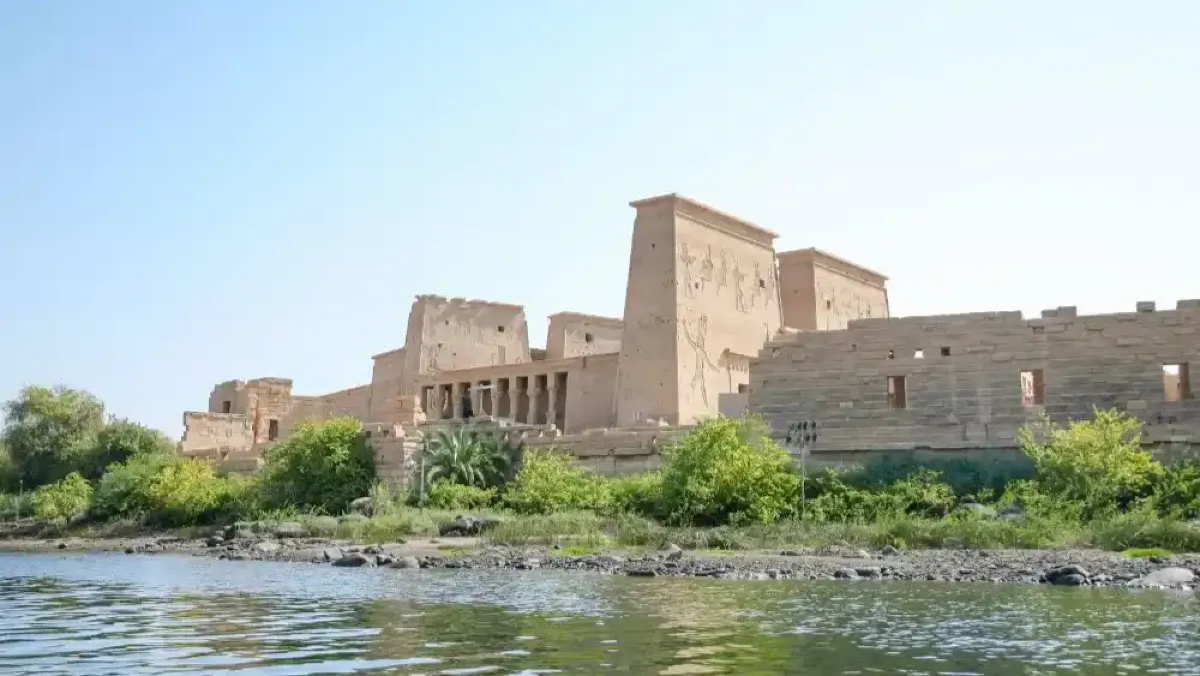
Answers to the questions travelers ask before they book.
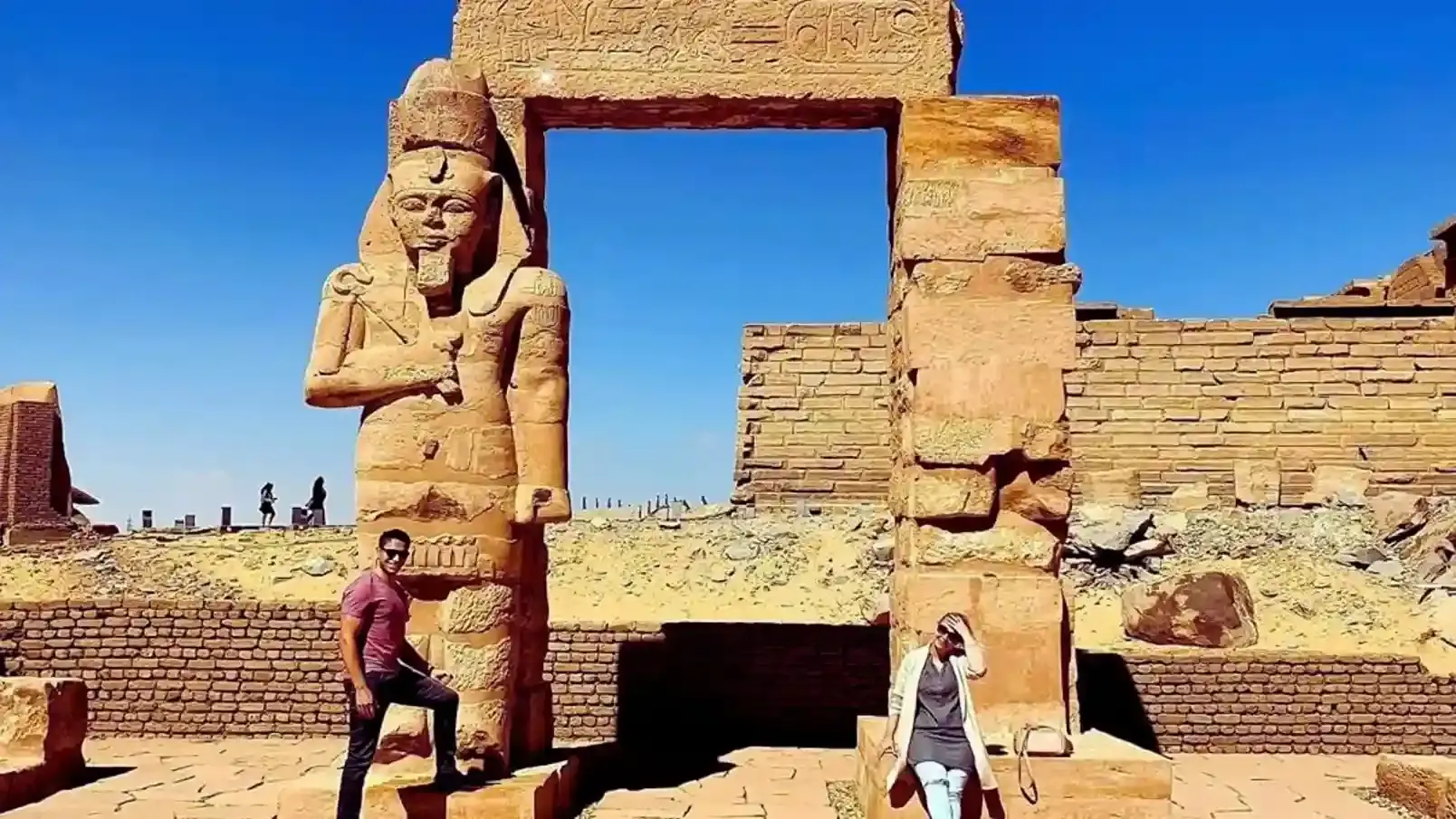
How many wives did King Ramses II have? Ramses II, one of Egypt's greatest pharaohs, had multiple wives, including Nefertari and Isetnofret.
Read the guide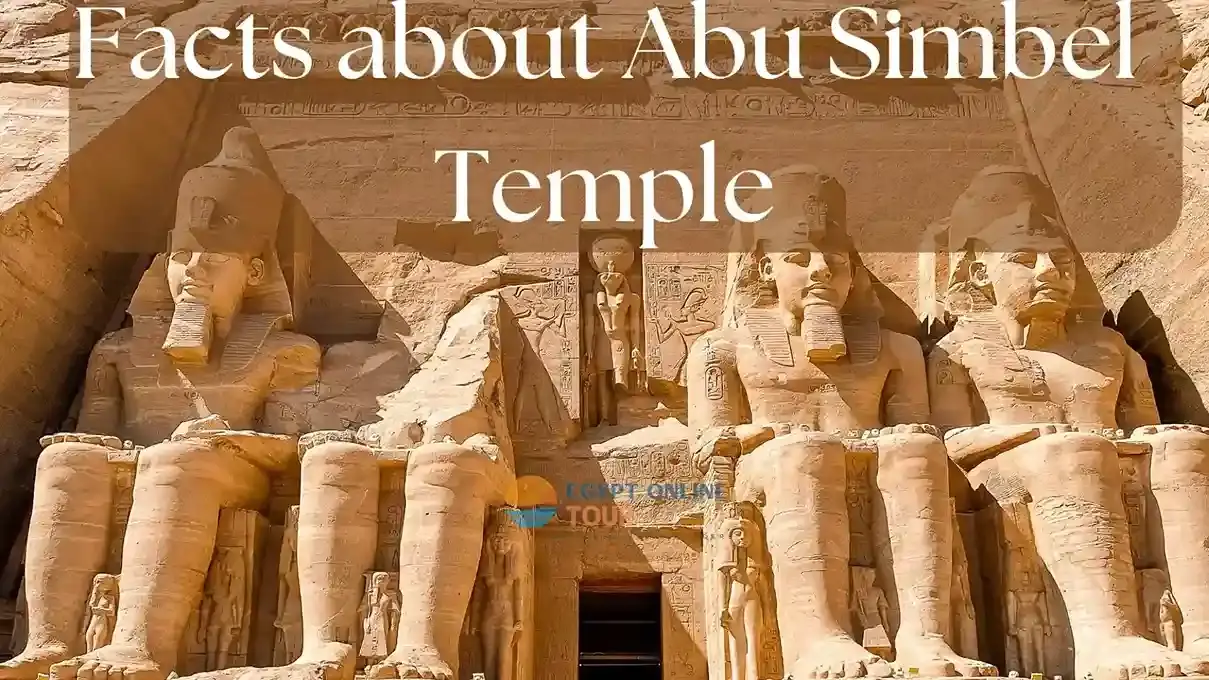
Discover fascinating facts about Abu Simbel Temple, its history, relocation, and why this ancient wonder remains one of Egypt’s top attractions today.
Read the guide
Where is Aswan High Dam? Located in southern Egypt, this engineering marvel controls the Nile’s flow, generates hydroelectric power, and supports irrigation.
Read the guideWe always use the cookies this site needs to work. With your permission we also use the optional ones listed under Settings. You can change your choice at any time. Privacy policy