
What to pack for a trip to Egypt comes down to five things: light, breathable clothes that cover your shoulders and knees, comfortable closed shoes for sand and uneven stone, strong sun protection (hat, sunglasses, high-factor sunscreen), a scarf for mosques and dust, and a warm layer for winter evenings, early starts and the desert. Bring your passport (valid for at least six months after arrival), US dollars in cash for the visa on arrival, and a universal plug adapter. Do not bring a drone: they cannot be imported without military permission.
Our guides meet travellers who packed for a beach holiday and are cold at Abu Simbel at 4 a.m., and others who packed for the desert and are too hot in Luxor in May. This list is built from what actually works on our trips, season by season. We checked the entry and local rules on 4 November 2026. If you are still choosing a route, see our all-inclusive Egypt holiday packages.
The quick Egypt packing checklist
| Category | Pack |
|---|---|
| Documents | Passport (6 months' validity, a blank page), visa or USD 30 cash for the visa on arrival, insurance details, booking confirmations, copies of everything |
| Clothes | Loose cotton or linen tops and trousers or long skirts, one long-sleeved shirt, a light jacket or fleece (October to April), a scarf, swimwear |
| Shoes | Closed walking shoes or trainers, sandals for evenings and the boat |
| Sun | Wide-brimmed hat, sunglasses, SPF 50 sunscreen, lip balm |
| Health | Personal medicines in original packs, rehydration salts, stomach remedies, hand sanitiser, insect repellent |
| Tech | Universal adapter (Egypt uses type C and F plugs, 220 V), power bank, phone with offline maps |
| Day bag | Small backpack, refillable bottle, tissues, small Egyptian pound notes for tips and toilets |
Documents and money
- Passport: valid for at least six months after the date you arrive, with at least one blank page, according to the UK government's entry advice.
- Visa: many nationalities buy a visa on arrival (USD 30 in cash at the airport kiosks) or an e-visa in advance at visa2egypt.gov.eg. If you fly into Sharm El Sheikh only, read our guide on whether you need a visa for Sharm El Sheikh.
- Insurance: carry the policy number and the emergency phone line, on paper and on your phone.
- Student card: an ISIC card gets the student price at most monuments and museums, often half the adult price.
- Money: a debit or credit card plus some cash. Cards work in hotels, museums and larger shops; small Egyptian pound notes are needed for tips, toilets and small purchases. Keep a backup card separate from your wallet.
- Copies: photos of your passport, visa and insurance in your email or cloud storage.
Clothing for Egypt: what works and why
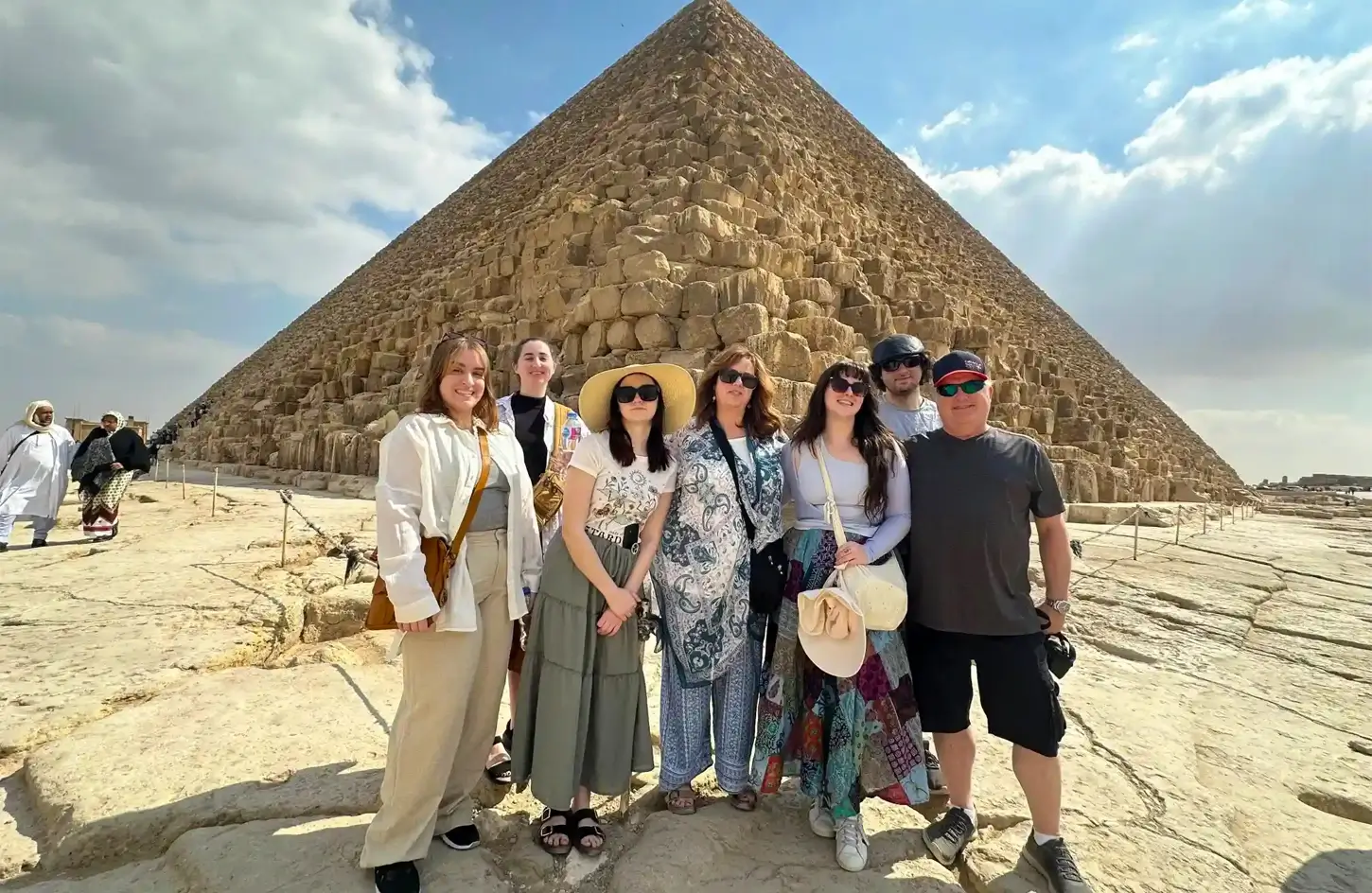
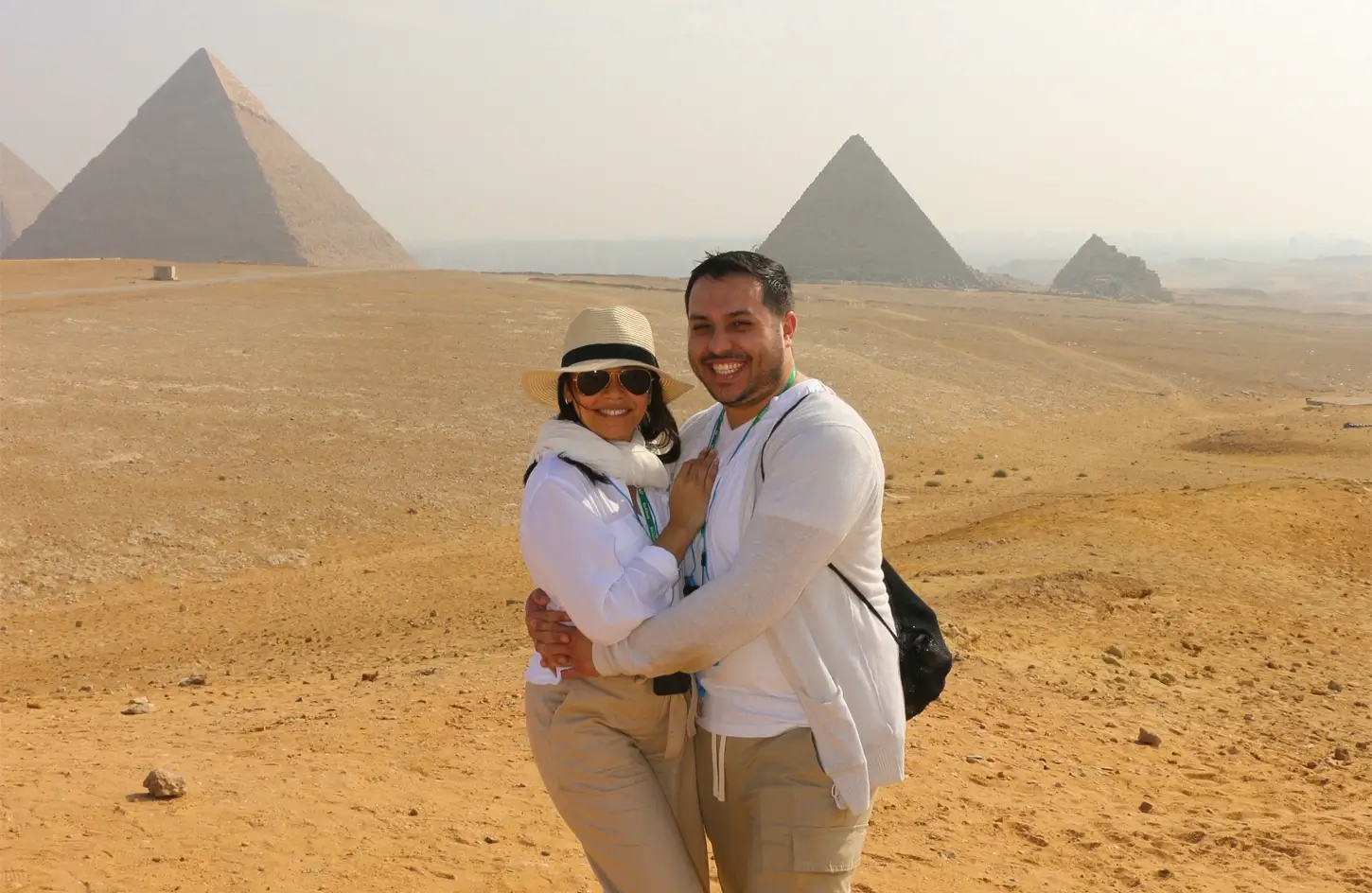
Egypt is a conservative country, and the UK government advises visitors to dress modestly, especially in rural areas, mosques and markets. In practice, clothes that cover the shoulders and knees are respectful everywhere and also protect you from the sun. In beach resorts such as Hurghada and Sharm El Sheikh, normal resort wear is fine around the hotel.
- Fabrics: cotton and linen are cooler than synthetics in the heat. Choose loose cuts.
- Colours: light colours stay cooler and show less dust.
- Mosques: arms and legs covered; women also cover their hair, so a scarf in the day bag is useful. Some mosques lend robes at the door.
- Churches and monasteries: the same modest dress.
Women travellers will find more detail in our guide on what to wear in Egypt as a female tourist.
What to pack for Egypt by season
Summer (May to September)
Upper Egypt is very hot in summer, and Cairo is hot and humid. Pack:
- Your lightest long, loose clothes; covering up is cooler than bare skin in the strong sun.
- A wide-brimmed hat, good sunglasses and SPF 50 sunscreen.
- A refillable bottle: drink often, even when you do not feel thirsty. Bottled water is easy to buy everywhere.
- Rehydration salts, in case of heat exhaustion or a stomach upset.
Sightseeing in summer happens early in the morning and after about 16:00, so you will spend the middle of the day indoors or by a pool. On a Nile cruise that pool is on board: the luxury-class Movenpick Ms Hamees has a plunge pool on the sun deck, plus a reading room and a card and billiard room for the hot hours.
Winter (November to February)
Days are warm and sunny, but mornings and evenings are cool, and the desert can be cold at night. Read our guide to visiting Egypt in winter for the temperatures. Pack:
- Layers: T-shirts, a long-sleeved shirt, a fleece or light down jacket.
- A warm hat and a scarf for early starts, such as the Abu Simbel convoy or a hot air balloon at sunrise in Luxor.
- Something warm for evenings on the deck of a Nile cruise.
- A heavier jacket only if you camp in the White Desert or stay in Siwa, where nights can be close to freezing.
Spring and autumn (March to April, October)
The most comfortable months: warm days and mild evenings. Pack summer clothes plus one warm layer. In spring, the khamaseen wind can bring sandstorms; a scarf and sunglasses help.
Shoes
- Closed walking shoes or trainers: essential for the pyramids, Saqqara, the Valley of the Kings and temple floors. Sand gets into open sandals and the stone is uneven.
- Sandals: for evenings, the hotel and the boat.
- Water shoes: useful for rocky beaches and snorkelling entries on the Red Sea.
Break new shoes in before the trip; a typical day in Luxor means several kilometres on foot.
Packing for specific trips
The pyramids and the desert
- Hat, sunglasses and sunscreen; there is almost no shade on the Giza plateau.
- Closed shoes, and clothes you do not mind getting dusty if you go inside a pyramid.
- A scarf or buff against wind and sand.
- A small backpack with water and snacks; large bags are not allowed inside some monuments.
A Nile cruise
Pack light for the cabin: casual clothes for the day, something slightly smarter for dinner, swimwear for the sun deck pool, and a warm layer for evenings in winter. Gym clothes earn their space on ships such as the luxury-class Sonesta Nile Goddess, which lists a gym, a sauna and a jacuzzi next to its sun deck pool. Our full guide on what to pack for a Nile cruise covers the details.
The Red Sea
Swimwear, a rash guard or long-sleeved swim top against the sun, reef-safe sunscreen, a dry bag for boat trips and your own mask if you snorkel a lot. Cover up when you leave the hotel for the town.
Toiletries and health
- Medicines: bring enough of your personal prescription medicines for the whole trip, in their original packs with a copy of the prescription.
- Stomach: anti-diarrhoea tablets and rehydration salts. Drink bottled or treated water.
- Sun: high-factor sunscreen and after-sun; good brands are more expensive in Egypt.
- Insects: repellent for evenings by the Nile.
- Hygiene: hand sanitiser, tissues and wet wipes; some public toilets lack paper.
- Swimming: the CDC advises against swimming in fresh water in Egypt, including the Nile, because of schistosomiasis. Pools and the sea are fine.
Electronics
- Adapter: Egypt uses European-style type C and F sockets at 220 V. Travellers from the UK, the US and most of Asia need an adapter.
- Power bank: long days at the sites drain phones quickly.
- Camera: phone photos are allowed at most sites without flash; tripods and professional equipment need permits.
- SIM card or eSIM: local data is cheap and makes ride-hailing apps and maps easy.
What not to pack for Egypt
- Drones: the UK government warns that drones cannot be imported or used without prior permission from the Egyptian Ministry of Defence, and that unauthorised import or use can bring a prison sentence. They are confiscated at the airport. Leave them at home.
- Professional photo and film equipment without a permit.
- Revealing clothes for city and temple days.
- Expensive jewellery: you will not need it, and it attracts attention.
- A heavy winter coat, unless you are camping in the desert in December or January.
- Too much luggage: domestic flights have baggage limits, and you will move between cities. One medium suitcase and a day bag is ideal.
Customs: what you can bring into Egypt
Normal personal belongings are allowed. Duty-free allowances for alcohol, tobacco and perfume apply on arrival. Narcotics, firearms and some medicines are prohibited. Rules and allowances change, so check the current limits with your airline or the Egyptian embassy if you plan to carry more than personal amounts.
Smart packing tips from our team
- Pack for layers, not for a single temperature: the difference between noon and night can be large.
- Keep a scarf in your day bag: it covers your hair in a mosque, your shoulders in a church and your face in a dust storm.
- Leave space for souvenirs: cotton, spices, papyrus and perfume oils add up.
- Use your hotel laundry: it is quick and inexpensive in most hotels and on cruise boats, so you can pack less.
- Carry small notes: tipping is part of daily life in Egypt.
Planning when to go? Our article on the best months to visit Egypt helps you choose the season, and then you can pack for it.
Plan it with us
When you travel with us, we send a packing note for your exact itinerary and season. Our 8 days Pyramids and the Nile by air is the classic first trip, and you will find more in our Egypt classic tours.
Packing for Egypt: quick answers
What should I wear in Egypt?
Light, loose clothes that cover your shoulders and knees, closed walking shoes for the sites, and a scarf for mosques. Resort wear is fine inside beach hotels.
Do I need a jacket in Egypt?
From November to February, yes: mornings, evenings and desert nights are cool. In summer you need only a light long-sleeved layer for air-conditioning.
Can I bring a drone to Egypt?
No, not without prior permission from the Ministry of Defence. Drones are confiscated on arrival, and unauthorised use can bring prison or a fine.
What plug adapter do I need for Egypt?
Egypt uses type C and F sockets at 220 V, the same as most of continental Europe.
Ahmed Samir writes and updates the Egypt travel guides of Egypt Online Tour, a licensed tour company based in Cairo (ETAA licence 1466). Our travel advisors review each guide before it is published.
All guides by Ahmed Samir