Planning your visit to Luxor becomes much more enjoyable when you know The Best Tombs to Visit in the Valley of the Kings, so you can make the most of your time.
The Valley of the Kings is filled with royal tombs, but not all of them offer the same level of importance or experience.
The Best Tombs to Visit in the Valley of the Kings
Choosing which tombs to visit in the Valley of the Kings isn’t something to leave to chance—it can completely shape your experience.
Since you can only enter a limited number of tombs, it’s important to pick wisely to make the most of your time. This is why many visitors often ask: How Many tombs in the Valley of the Kings can actually be explored during one visit?
In simple terms, the best tombs are the ones that combine stunning artwork, real historical significance, and an atmosphere that makes you feel the greatness of the place as soon as you step inside, as follows.:
Seti I (KV17) – The peak of artistic beauty
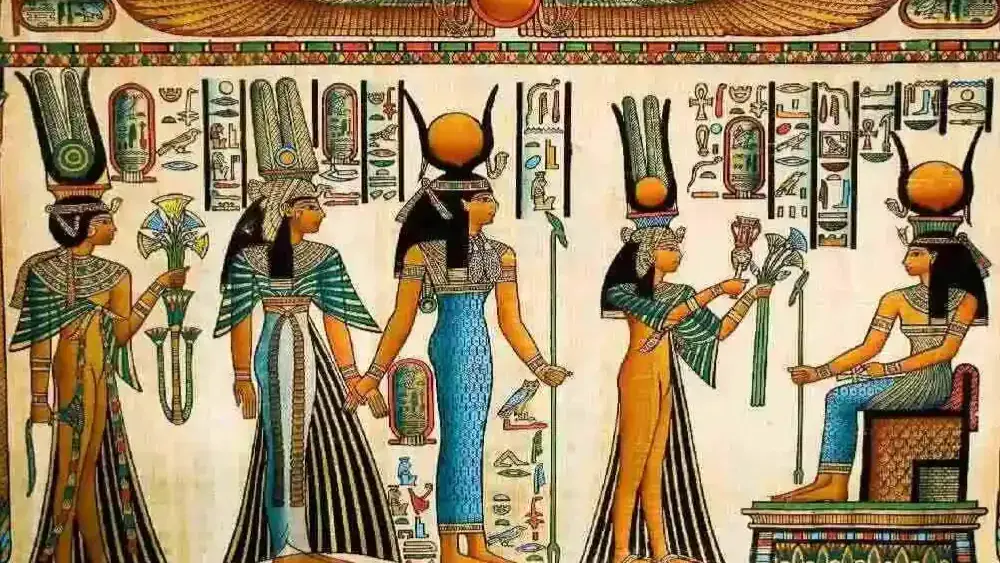
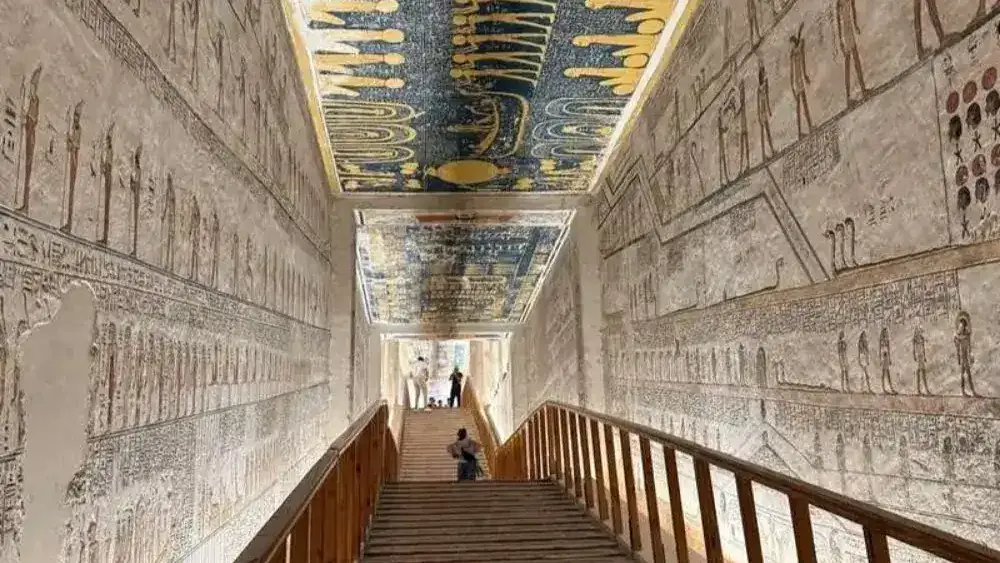
To start with, if you’re looking for the finest example of ancient Egyptian art, the tomb of Seti I is hard to beat. The corridors are long and filled with detailed carvings, and the colors are still incredibly vivid.
The walls and ceilings are covered with scenes that clearly illustrate beliefs about the afterlife. It does require an extra ticket, but the experience is truly worth it—something many visitors discover through carefully planned Egypt Tours that focus on the most important highlights.
Tutankhamun (KV62) – A unique experience
On the other hand, Tutankhamun’s tomb offers a completely different kind of experience, mainly because of its famous discovery story.
Although it’s relatively small, seeing the king’s mummy inside gives the visit a very special feeling. That said, it’s best to visit early or later in the day to avoid crowds.
Ramses III (KV11) – A well-balanced choice
If you want a rich experience without paying extra, the tomb of Ramses III is a great option.
It’s spacious and filled with diverse scenes that explain burial rituals and ancient beliefs in a clear way.
As a result, you’ll leave not just impressed, but also more informed.
Ramses VI (KV9) – For detail lovers
The tomb of Ramses VI is another excellent choice, especially if you enjoy observing fine details.
The ceiling features striking astronomical scenes, and the artwork throughout the tomb is precise and engaging. Even though it’s not the largest, it offers a very rewarding visit.
Merenptah (KV8) – A convenient start
If you prefer something easy to access, the tomb of Merenptah is a practical place to begin. It’s relatively close to the entrance and has a large layout that gives you a strong sense of royal scale.
That’s why many visitors start their tour here.
Ramses II (KV7) – If it’s open
Finally, the tomb of Ramses II isn’t always open to the public. However, if it happens to be available during your visit, it’s definitely worth considering.
Its size and connection to one of Egypt’s most famous pharaohs make it especially appealing, particularly for history enthusiasts.
Read more about: How many wives did King Ramses II have
Which Tombs Are Included in the Standard Ticket?
The standard ticket for the Valley of the Kings is the most commonly used option among visitors, as it usually allows access to around three open tombs inside the site.
For many travelers, this is often included as part of well-organized Egypt Tour packages that aim to make the visit simple and well-structured.
However, it’s important to know that the selection is not fixed, since it can change depending on restoration work or visitor flow on the day.
- In general, the standard ticket includes the larger and easier-to-access tombs, such as Ramesses III, Ramesses IV, Ramesses VI, and sometimes Merenptah.
- On the other hand, some famous tombs like Tutankhamun and Seti I are not included and require separate additional tickets.
The standard ticket usually costs around 750 EGP, giving you a good opportunity to explore a significant part of the Valley of the Kings at a reasonable price. However, it’s always better to check the available tombs on the day of your visit, since the list may vary.
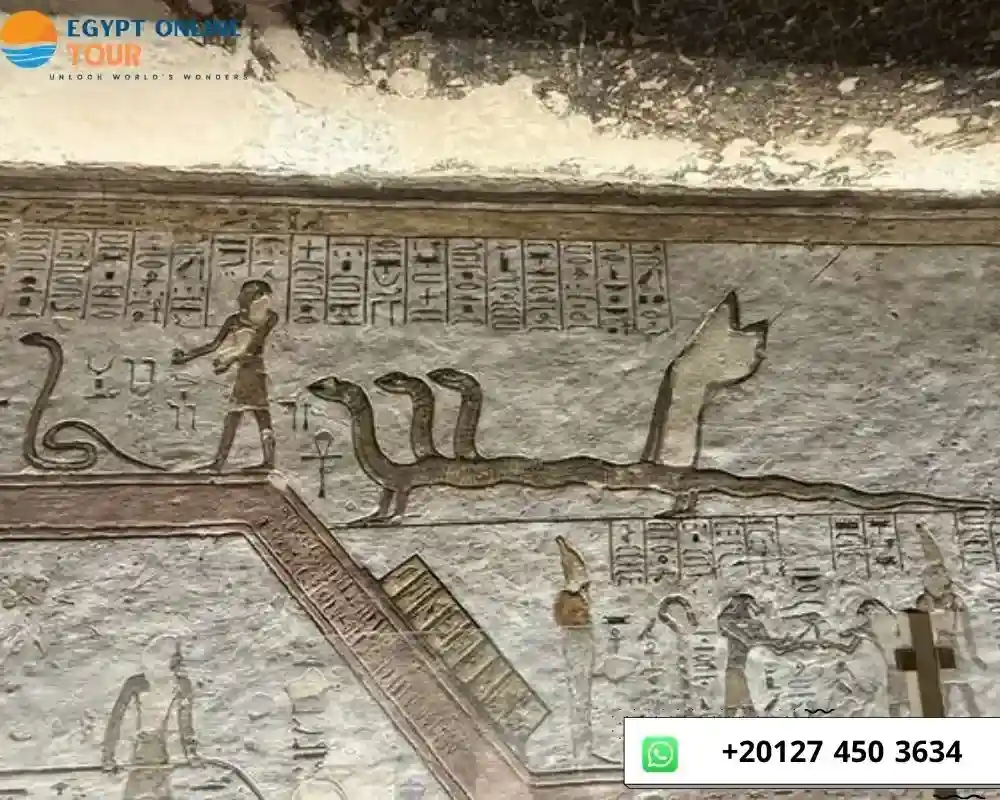
Tomb of Ramesses IV
The tomb of Ramesses IV (KV2) is one of the practical choices within the standard ticket, mainly because it is relatively close to the entrance and easy to reach.
In terms of design, it is simple and straightforward, yet it contains clear funerary inscriptions and texts that explain the king’s journey in the afterlife in an accessible way.
The main corridor leads to the burial chamber, where you will find scenes of Ramesses IV standing before the god Osiris, reflecting the concept of rebirth in ancient Egyptian belief.
In addition, the tomb is usually quieter and less crowded, which makes the experience more comfortable and allows you to focus on the details.
For this reason, it is a very suitable starting point for a tour inside the Valley of the Kings.
Tomb of Ramesses VI
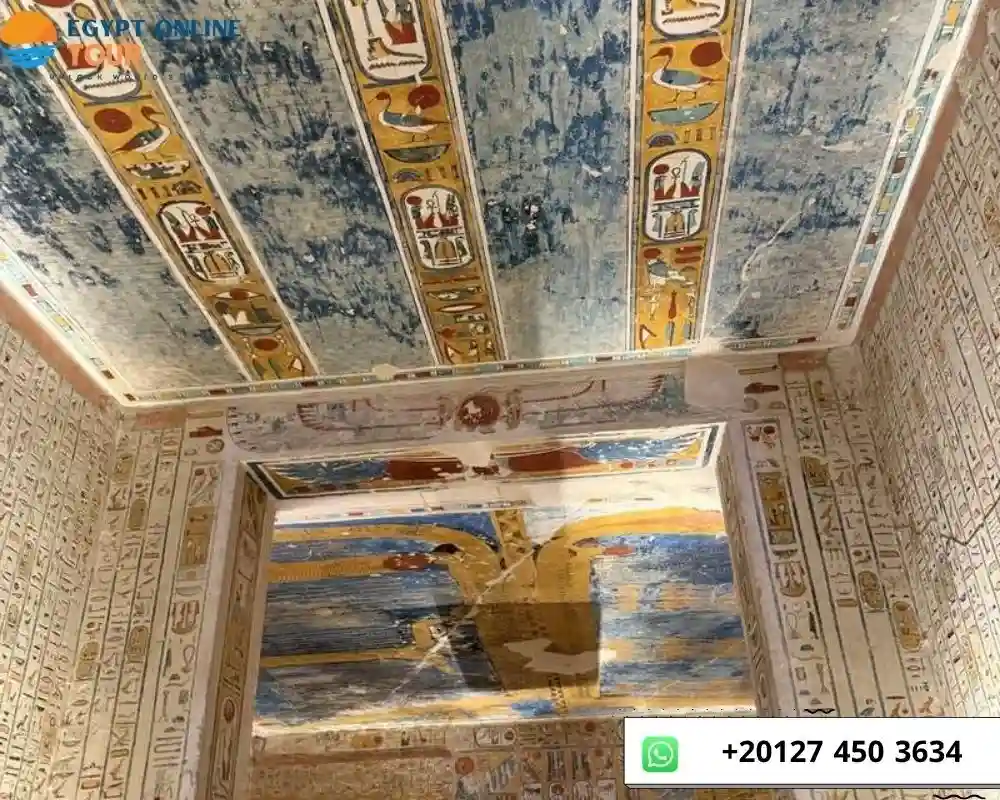
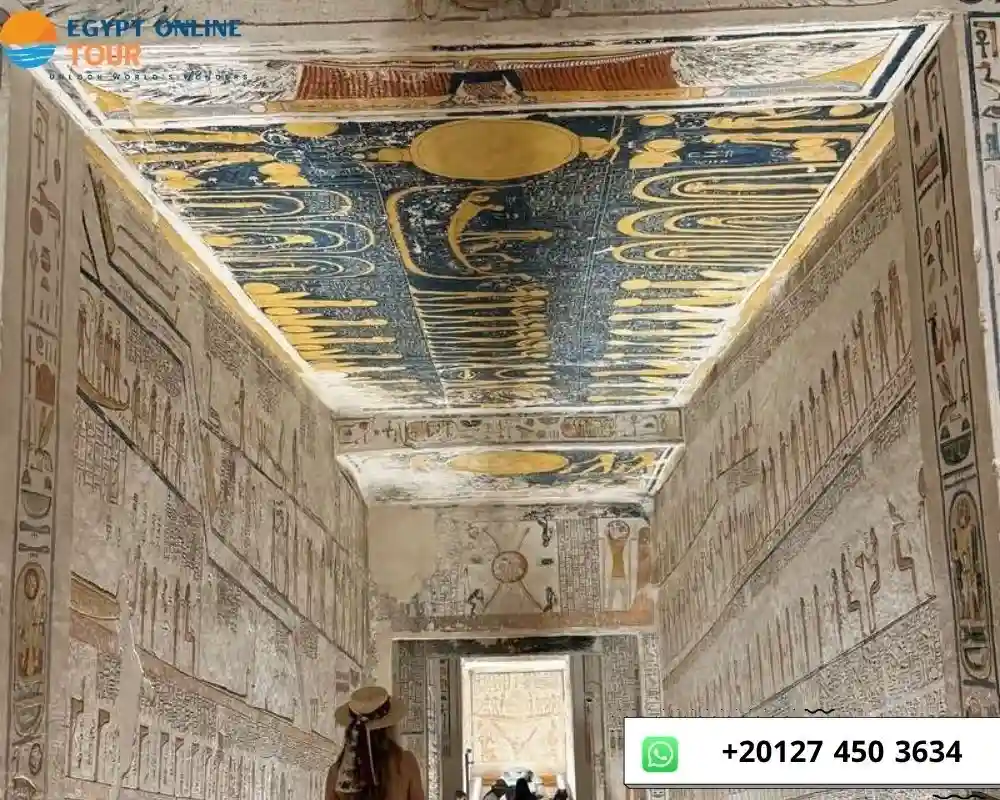
The tomb of Ramesses VI (KV9) is one of the most visually impressive tombs, especially because of the detailed artwork and the remarkably preserved colors.
It consists of several corridors and connected chambers, each decorated with scenes from the Book of the Dead and the sun’s journey through the underworld, creating a continuous narrative-like experience.
Most notably, the ceiling is one of its main highlights, featuring detailed astronomical scenes that immediately capture attention.
Overall, it is usually included in the standard ticket or available with a small additional fee depending on the day. Therefore, it is an excellent choice for visitors looking for a rich visual and symbolic experience.
Tomb of Ramesses III
The tomb of Ramesses III (KV11) offers a well-balanced experience in terms of size and variety of inscriptions.
The tomb is designed with multiple corridors and chambers, making movement inside easy and comfortable.
Moreover, the wall carvings gradually illustrate burial rituals and scenes from the Book of the Dead, helping visitors understand the concepts in a clear and structured way.
Additionally, the multiple chambers turn the visit into more of a journey rather than a quick walkthrough. It is also commonly included in the standard ticket, which makes it a popular recommendation among guides.
Therefore, it is a great option for those who want a large tomb with clear and informative content.
Tomb of Merenptah
The tomb of Merenptah (KV8), although less famous, offers a simple and calm experience within the Valley of the Kings.
It is relatively spacious, with clear corridors that give a good sense of the scale of royal tombs without a complicated layout. In addition, the large sarcophagus creates a strong impression of the king’s status and importance.
The inscriptions here are less dense compared to other tombs, but they are sufficient to provide a basic understanding of burial rituals.
It is also usually included in the standard ticket, making it a practical and easy choice during the visit.
Overall, Merenptah’s tomb is ideal as a light introduction or a relaxing stop within a longer Valley of the Kings tour.
Which Tombs Need an Extra Ticket?
When planning a visit to the Valley of the Kings, it’s important to know that not all tombs are included in the standard ticket.
A number of special tombs require a separate additional ticket due to their high historical value, preservation condition, or strong visitor demand.
That’s why many travelers prefer booking Egypt Vacation Packages that already take these details into account when organizing the itinerary.
In general, the standard ticket covers a selection of open tombs, but if you want to enter some of the most famous ones in the site, you’ll need to pay an extra fee for each tomb individually.
The most notable tombs that usually require an extra ticket include:
- Tomb of Tutankhamun (KV62)
- Tomb of Seti I (KV17)
- And sometimes other tombs like Ramesses III or Ramesses VI, depending on operational conditions and the season
In terms of cost, an extra ticket usually starts from around 700 to 1000 EGP for some tombs, while more exclusive ones like Seti I can reach around 2000 EGP or more.
So, you first enter the Valley of the Kings with the standard ticket, and then decide if you want to add one or more special tombs.
Read also about: How Much Does It Cost to Go to Egypt
Tomb of Tutankhamun
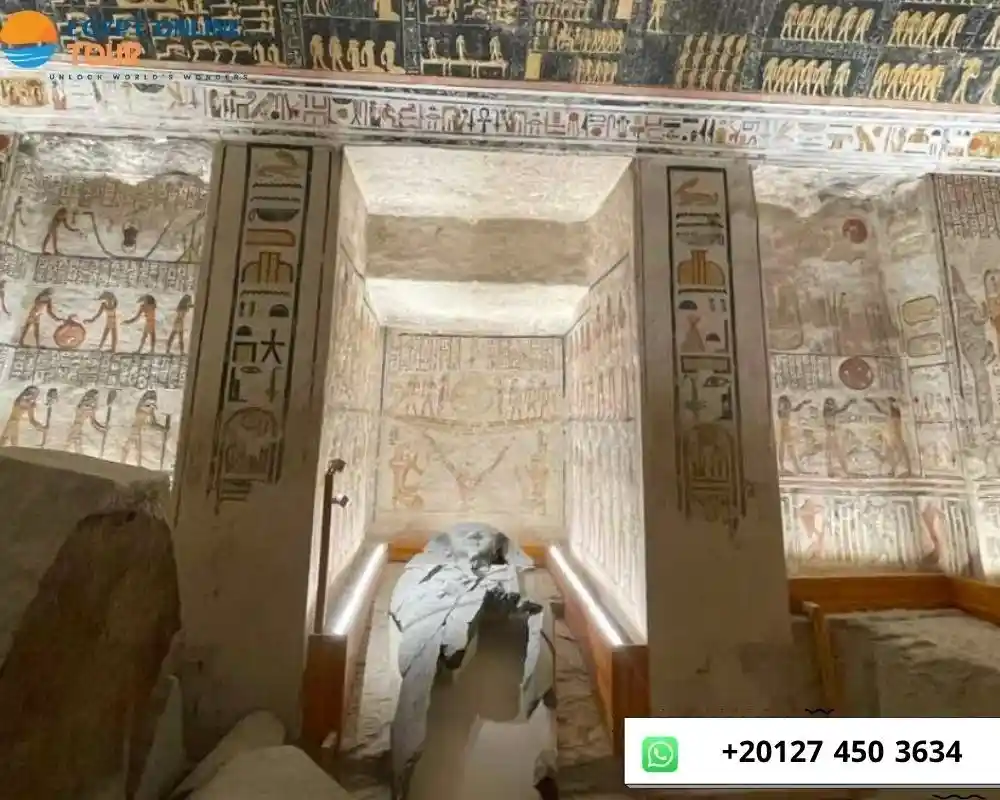
The Tomb of Tutankhamun (KV62) is the most famous tomb in the Valley of the Kings, which is why it requires a separate extra ticket, usually priced between 700 and 1000 EGP.
Although it is relatively small compared to other tombs, it has exceptional historical value because it is one of the few tombs discovered almost intact, including the king’s mummy. This makes the visit a completely different experience from other tombs in the valley.
Inside, the atmosphere is simple and relatively enclosed, and due to the number of visitors, it can often feel crowded, which may affect the overall comfort of the visit.
Read more about: Achievements of King Tut
Tomb of Seti I
The Tomb of Seti I (KV17) is one of the most impressive and important tombs in the Valley of the Kings, which is why it also requires an extra ticket that can cost around 2000 EGP or more depending on the season.
This tomb is long and deep, with beautifully decorated corridors featuring highly detailed paintings that still retain remarkable color. The interior presents a continuous visual narrative showing the king’s journey into the afterlife.
However, it’s important to note that it is not always open to the public, as it may close for conservation work due to its high archaeological value.
Which 3 Tombs Should You Choose First?
If this is your first visit to the Valley of the Kings, choosing just 3 tombs is the most important decision of your trip, because it will shape your entire experience.
The idea is not about quantity, but about variety—so you can see different aspects of the site within a limited time.
Ideally, your selection should balance: a famous tomb, an artistically rich tomb, and an easy one to start with.
In practice, most visitors find this combination to be the best:
- Tutankhamun (KV62): for the iconic experience and historical significance.
- Ramesses III or Ramesses VI: for detailed artwork and larger spaces.
- Ramesses IV or Merenptah: for a simple and easy introduction.
Should I stick to the standard tombs or replace one with a special tomb like Seti I?
The answer depends on your time and interest. If your visit is short, the basic three are more than enough. However, if you are interested in deeper artistic details, you can replace one with Seti I for a more advanced experience.
If you want a complete experience that includes Luxor and the Valley of the Kings, you can choose from 8 Days Cairo, Luxor, Aswan Classic Tours.
Best Tombs for First-Time Visitors
A first visit to the Valley of the Kings should feel smooth, clear, and enjoyable, without confusion or overload. The goal is to understand the site while fully enjoying the experience.
Usually, the best choice for beginners includes:
- Tutankhamun: the most famous tomb with strong historical symbolism.
- Ramesses III: a spacious tomb with clear and informative wall scenes.
- Ramesses IV or Ramesses VI: a calm and easy start to understand the overall atmosphere.
Is Tutankhamun necessary on a first visit?
If this is your only visit, then yes—it is a must-see experience. However, if you plan to return again, you can postpone it and start with quieter tombs.
It’s best to structure your visit gradually: begin with an easy tomb, then a larger one, and finish with a famous highlight. Also, avoid visiting too many tombs in one trip so you can stay focused and enjoy the details.
Learn more about: Facts About King Tut
Best Tombs for the Most Beautiful Wall Paintings
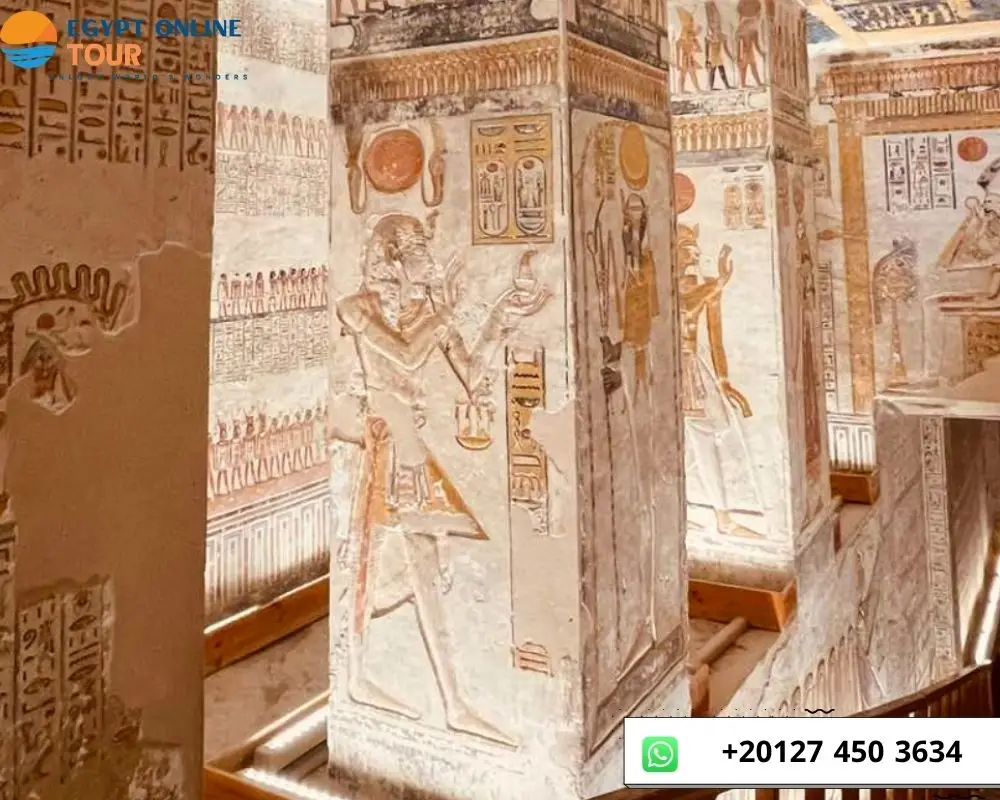
If your main interest is art, then you should focus on tombs that display the highest level of detail, color, and craftsmanship, as the Valley of the Kings offers truly exceptional examples of ancient Egyptian art.
The Best Tombs to Visit in the Valley of the Kings for wall paintings include:
- Seti I (KV17): extremely detailed carvings and strong color preservation.
- Ramesses VI (KV9): striking ceiling with astronomical scenes.
- Ramesses III: wide variety of detailed wall scenes.
- Tutankhamun: simple but remarkably well-preserved artwork.
What is the difference between Seti I and Tutankhamun in terms of artwork?
Seti I is larger, deeper, and more complex in design, while Tutankhamun is simpler but has clearer and better-preserved colors.
For a strong artistic experience, focus on Seti I and Ramesses VI. If you have limited time, Ramesses VI or Tutankhamun will still give you a memorable impression.
For a deeper experience along the Nile and ancient temples, a great option is 7 Day Egypt Tour Cairo Nile Cruise and Luxor Temples.
Best Tombs for History Lovers
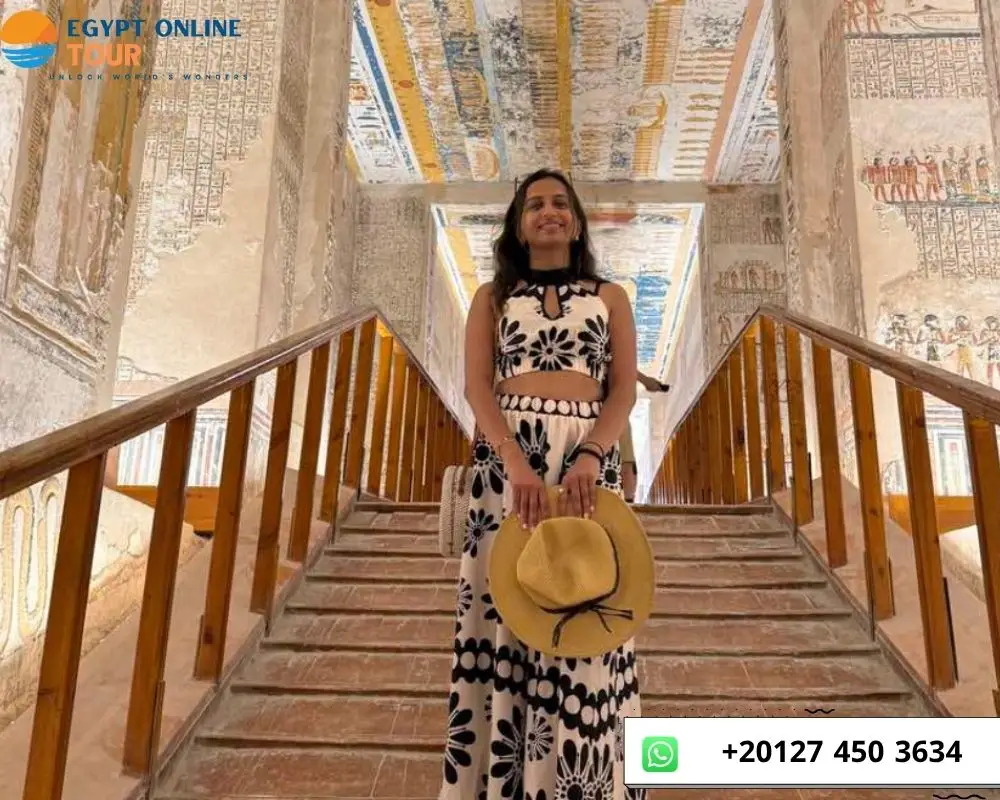
If you are more interested in the story behind the tombs rather than just their appearance, then you should focus on those that contain detailed texts and scenes explaining ancient Egyptian beliefs and rituals.
The Best Tombs to Visit in the Valley of the Kings for history enthusiasts:
- Seti I (KV17): detailed texts about the journey of the sun god through the afterlife.
- Ramesses III (KV11): scenes of battles, rituals, and religious practices.
- Ramesses VI (KV9): a full narrative of the king’s journey in the afterlife.
What is the historical difference between Tutankhamun and Ramesses III?
Tutankhamun reflects the life of a young pharaoh with a short reign, while Ramesses III represents a more powerful and eventful period with clear military and political history.
For deeper understanding, focus on Seti I and Ramesses III and ask your guide about the meanings behind the inscriptions. If you prefer a quicker visit, Ramesses VI is a good option that still provides a meaningful overview.
If you prefer a short and focused trip to Luxor, then 5 Days Cairo to Luxor Tour Packages is a very practical choice.
Are the Extra Ticket Tombs Worth It?
One of the most frequently asked questions by travelers visiting the Valley of the Kings is whether paying extra for certain tombs is really worth it or not.
The answer is not the same for everyone—it depends on your time, budget, and what kind of experience you are looking for.
Some of the most iconic and historically significant tombs—such as Tutankhamun, Seti I, and occasionally Ramesses VI—are not part of the standard entry ticket due to their high importance and limited access.
SO:
- If this is your first visit and you want a complete, iconic experience, paying for an extra ticket is highly recommended.
- If your visit is short or budget-limited, the standard tombs will still give you a very good overall experience.
Quick breakdown:
- Tutankhamun: an iconic historical experience linked to the famous mummy (around 700–1000 EGP).
- Seti I: the most expensive, but an exceptional artistic experience with highly detailed decorations.
- Ramesses VI: sometimes an extra ticket, offering a balance between beauty and a quieter atmosphere.
These tombs are not essential, but they significantly elevate your visit if you choose to enter them.
For a luxury experience combining the Nile and historical sites, you can go with Luxury Egypt tours with Nile cruise.
Which Tombs Are Open in the Valley of the Kings Right Now?
Not all tombs in the Valley of the Kings are open all the time, as availability changes due to restoration work, operational plans, and daily visitor management.
However, the standard ticket usually includes a set of consistently open tombs, such as:
- Ramesses III
- Ramesses IV
- Ramesses VI or alternatives like Merenptah or Tausert, depending on the day
As for special tombs:
- Tutankhamun is usually open unless under temporary maintenance
- Seti I is available during specific seasons, especially peak tourist periods
If you’re looking for a peaceful and unique Nile journey, Dahabiya Nile Cruise Aswan to Luxor is an excellent option.
Which Tomb Is Better: Tutankhamun or Seti I?
The comparison between Tutankhamun and Seti I is very common, as each offers a completely different experience.
- Tutankhamun (KV62) is a modest-sized tomb, yet it is the most iconic in the Valley of the Kings. Its fame comes from the remarkable discovery of the burial chamber and the presence of the king’s mummy, making it a short but meaningful visit that often draws heavy crowds.
- Seti I (KV17): A much larger tomb with incredibly detailed and beautifully preserved wall paintings. It offers a quieter and deeper artistic experience.
So which one should you choose?
- If you want a quick, iconic experience → choose Tutankhamun
- If you prefer art, detail, and a more immersive visit → choose Seti I
If possible, visiting both is ideal, as they complement each other in completely different ways.
Best Time to Visit the Valley of the Kings Tombs
After we discuss The Best Tombs to Visit in the Valley of the Kings, Choosing the right time to visit makes a huge difference in comfort and overall experience, both in terms of weather and crowd levels. That’s why understanding Best Months to Visit Egypt can help you plan a much smoother and more enjoyable trip.
Best time of day:
- From 6 to 8 AM: the ideal time
During this period, temperatures are cooler, crowds are smaller, and lighting is great for photography.
After 10 AM:
- Temperatures rise significantly
- Movement inside the tombs can feel less comfortable due to heat and crowds
Best season:
- Winter (November–February): mild and very comfortable weather
- Summer: very hot, but sometimes less crowded at certain times
When is the best time to enjoy the visit?
For the best balance of comfort and experience, early morning in winter is ideal. If you prefer fewer crowds, early mornings in any season are still the best choice.
Start your day early and prioritize key tombs in the morning to enjoy a smoother, more focused experience without rush or fatigue.
Which Tombs Are Best for Your First Visit?
If this is your first time visiting the Valley of the Kings, then choosing the right tombs is very important because it will shape your entire experience. The goal is not to see as many tombs as possible, but to create a balanced visit that is enjoyable, clear, and not overwhelming.
In general, The Best Tombs to Visit in the Valley of the Kings for first visit should combine three things: a famous tomb, an artistic tomb, and an easy one to start with.
Based on that, the recommended order is usually:
- Tutankhamun (KV62): an iconic experience linked to one of the most famous archaeological discoveries in the world, giving a strong historical impression
- Ramesses III (KV11): a large tomb with detailed carvings that clearly explain ancient rituals and beliefs
- Ramesses IV or Ramesses VI (KV2 or KV9): a calmer and easier option to start your tour comfortably
Can I visit 3 tombs in one day?
Yes, the standard ticket allows access to 3 available tombs on the same day, which is perfect for a well-organized first visit.
Start with a nearby tomb like Ramesses IV, then move to Ramesses III, and finally end with Tutankhamun for a strong closing experience.
Tips for Choosing the Best Tombs on the Day of Your Visit
Choosing The Best Tombs to Visit in the Valley of the Kings on the same day requires some flexibility because the list of open tombs changes depending on maintenance work, visitor numbers, and daily operations.
Therefore, it is best to rely on three main factors: visitor type, comfort level, and interest (art or history).
Here are some practical tips:
- For first-time visitors, families, or elderly travelers:
Choose easy and nearby tombs such as Ramesses IV or Merenptah, and make Tutankhamun your main highlight - For those interested in art and details:
Focus on Ramesses III and Ramesses VI, and add Seti I if available for a richer experience - For those who want to maximize their visit:
Create a balance between an easy tomb, a famous one, and an artistic one for a complete experience
How Much Time Do You Need to Visit 3 Tombs?
The time needed to visit 3 tombs in the Valley of the Kings is not fixed, but it usually ranges between 3 to 4 hours depending on the tombs and your pace.
On average:
- Each tomb takes about 20 to 40 minutes
- Larger or more famous tombs may take up to 45 minutes or more
Practical example: If you choose Ramesses IV + Ramesses III + Tutankhamun, you will likely need around 3 hours or slightly more depending on crowd levels and photo stops.
Can I finish 3 tombs in 2 hours?
Yes, but the experience will be very fast and you may miss many details., the ideal number for a first visit because it balances exploration and avoiding exhaustion.
Take your time inside each tomb and avoid rushing, because the real value is in the details, not the number of tombs.
Our Recommended Tombs to Visit in the Valley of the Kings
If you want a ready-made plan without confusion, here is a well-balanced selection of The Best Tombs to Visit in the Valley of the Kings that gives you a complete experience in the Valley of the Kings:
- Tutankhamun (KV62): a world-famous historical experience linked to the most iconic archaeological discovery
- Ramesses III (KV11): clear carvings and a large space that explain ancient rituals and beliefs
- Seti I (KV17): one of the most artistically impressive tombs with exceptional detail and color
- Ramesses VI (KV9): a quieter experience with unique artwork and a remarkable celestial ceiling
Why these tombs?
Because they cover all aspects of the visit: fame, art, history, and ease of exploration.
Important question: where should I start if I have limited time?
In that case, start with Tutankhamun + Ramesses III + Ramesses IV for a balanced first experience.
If you have extra time, adding Seti I will give you a much deeper artistic perspective.
Plan ahead, check which tombs are open on your visit day, and stay flexible to make the most of your experience in the Valley of the Kings.
Discover the Valley of the Kings in a Smarter and More Comfortable Way
Visiting the Valley of the Kings is a rich and detailed experience, and that’s why choosing the right tombs and planning your day properly makes a huge difference.
Instead of wasting time deciding on the spot, you can enjoy a well-organized journey that helps you explore the most important historical sites without confusion, stress, or rushing.
The goal is to make your day smooth from the first stop to the last tomb.
What makes “Egypt Online Tour” different?
- Well-planned tours inside the Valley of the Kings based on your time and interests
- Guidance in choosing the best tombs available on your visit day
- Simple and clear information before your trip so you’re fully prepared
- A hassle-free experience with no time wasted on planning or confusion
- Support to help you make the most out of every stop during your tour
- Flexible itineraries suitable for first-time visitors or repeat travelers
The idea is to let you experience the Valley of the Kings in a calmer, smarter way—enjoying history in a practical and meaningful experience, without feeling lost or rushed at any point.
Book now and make your Valley of the Kings trip a truly unforgettable experience from the very first moment.