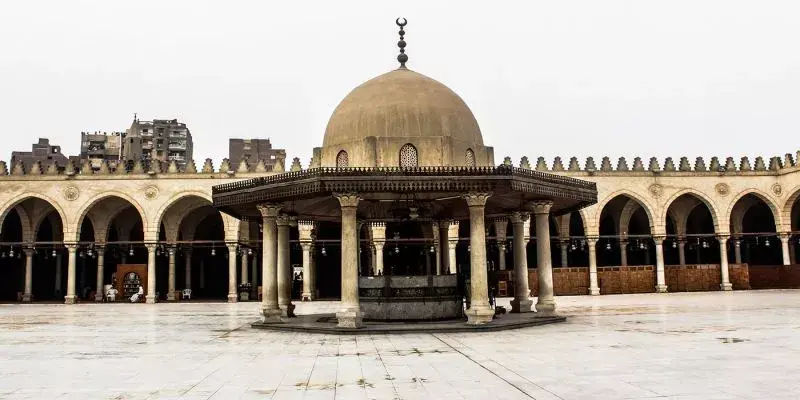
Amr ibn Al-A’as Mosque in Old Cairo is Egypt’s first mosque and Africa’s oldest. Still active today, it offers open courtyards, simple architecture, and a sense of peace that crowds can’t erase. No loud tours or staged moments, just real prayer, soft light, and quiet steps. Visitors often stay longer than planned. Why? Because the feeling stays longer. It’s not just history, it’s where Cairo’s soul began. And it still speaks, even in silence.
Introduction to the Amr ibn Al-A'as Mosque
Amr ibn Al-A'as Mosque is a landmark you feel before you read about it.
A quiet power lives in its bricks, halls, and story. This place shaped Cairo’s identity, and it still moves visitors in small, lasting ways.
- When its doors first opened in 641 AD, it marked a turning point in African architecture and faith.
- Built for purpose over style, the design stayed clear, grounded, and human.
- The space grew over time, but it kept its honest soul, and that is why it still feels real today.
- People visit to learn history, but they stay because the place slows them down.
- The air feels calm and also respectful, but never distant.
- There is no heavy silence here, just a soft one that lets you think clearly.
- The mosque lived through rebuilds, but even then, its spirit did not shift.
Read about: Tips on traveling to Egypt
The Oldest Mosque in Africa
- It carries the title without shouting it, and that is part of its charm.
- It was the first mosque built on the continent, so it shaped many others that came after.
- Its earliest form was modest, and yet it sparked a legacy.
- Many places chase perfection, but here, the beauty sits in simplicity.
- You see large arches, open halls, and steady geometry that serves movement, not show.
- It changed through time, but the heart of it stayed the same.
Location in Old Cairo
- You find it near the Nile’s old path, and also close to the pulse of Ancient Fustat.
- It stands in Old Cairo, a zone where stories stack instead of fade.
- The walk to it is part of the experience, so most visitors feel the change before they enter.
- The area blends narrow streets, layered history, and daily life in one scene.
Key Facts at a Glance
If you want Cairo raw, honest, and close, this is where you start. No rush. No noise. Just a moment that stays with you. If you want a place with real depth and spirit, this one lingers with you—likethe Citadel of Qaitbay, where every stone still holds a story.
Historical Background: The Amr ibn Al-A'as Mosque shaped the first chapter of Islamic Egypt.
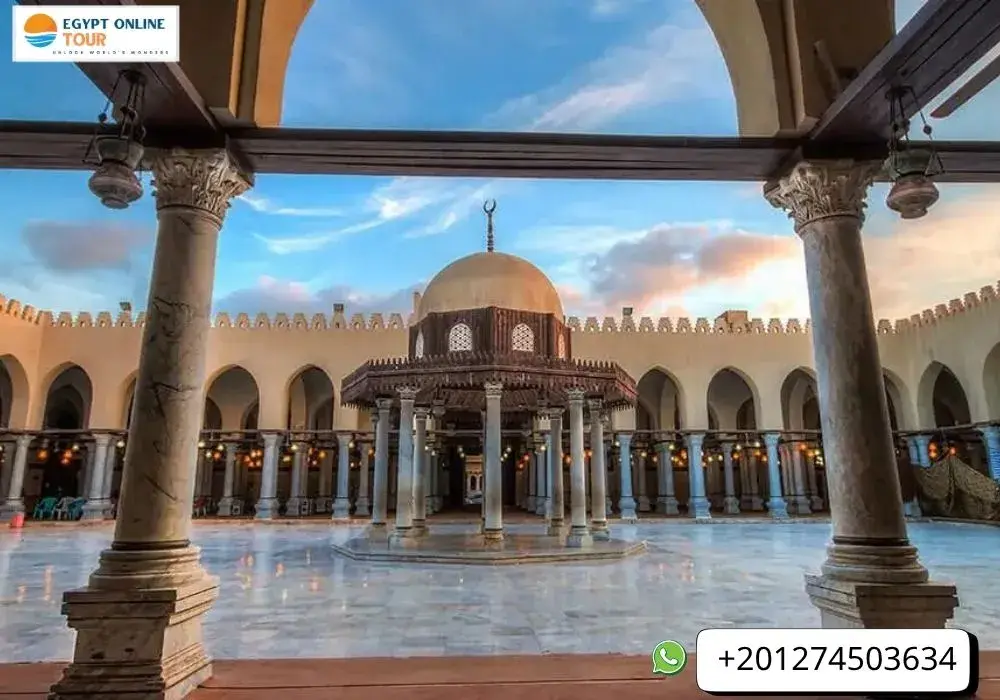
Its story starts with conquest, foundation, and purpose. So, to understand Old Cairo, you must start here.
Foundation and Construction (641–642 AD)
- The mosque began in 641 AD, so it became the first in Egypt.
- At first, the build was simple because speed mattered more than style.
- It used palm wood and mud, and the walls were low, and the roof was plain.
- Yet it held prayer, talks, plans, and community work from day one.
- Later, it grew larger, but the core stayed calm, open, and honest.
- So today, it still feels close, human, and easy to connect with.
Amr ibn Al-A'as – The Founder and Leader
- Leadership sent the army into Egypt, and a new chapter began.
- Function came first in the design, while comfort came later, and pride came last.
- The location was chosen with care, and local voices shaped the final decision.
- Gathering, prayer, and unity guided every part of the space, so movement stayed smooth and natural.
- His choices still show in the flow, the arches, and the open court.
You leave calmer, slower, and more still, carrying that same quiet feeling you’d find in Dakhla Oasis, where silence feels strong.
The Mosque’s Role in the Islamic Conquest of Egypt
- It became a base for decisions, rest, and direction.
- It held talks, prayers, plans, and community needs in one place.
- So instead of a symbol, it became the working heart of the city.
- It tied faith to daily life, and growth to purpose, and people to place.
- Crowds came for guidance, so the mosque grew with them.
Quick Reference Table (Why this matters for your visit)
- So when you walk here, you walk into the start of a city and a shift in time.
- And when you pause here, you feel intention, not decoration.
- The place speaks low, but stays long, and so it never needs to shout.
Pick Egypt Luxury Tours for a trip that flows with comfort, care, and memories that stay with you far beyond the journey.
Architectural Evolution Over the Centuries
The design of the Amr ibn Al-A'as Mosque did not freeze in time. Instead, it changed step by step, while keeping its first identity. So, today, you see layers of building ideas, but also the same steady spirit.
Original Design vs Modern Structure
- The early build was simple because speed mattered more than form.
- It used palm trunks, clay, and sand, so it looked modest, light, and open.
- There were no domes at first, and no minarets either, so the roof sat low.
- Later, stone replaced mud, but the flow stayed smooth, and human, and close.
- Today, arches frame the halls, and columns guide the walk, but the soul stayed the same.
- The modern space is wider and taller, but also calm and easy to move around in.
Key Restorations and Modifications
- The first rebuild came when the city grew, and more space was needed for prayer.
- Then rulers added columns, but kept the paths clear and open for movement.
- Later repairs saved the courtyard, so gatherings continued without pause.
- Some walls were renewed, but the proportions stayed honest, not loud, not heavy.
- Each fix aimed to serve people first, and history second, so the place kept its heart.
Notable Architectural Features
- Wide arches that breathe air, and light, and ease into the halls.
- Long prayer rows that form lines, but also soften sound, so silence sits gently.
- A large open court that carries shade, steps, and shared pauses.
- Plain details without crowds of patterns, so eyes rest, and minds focus.
- Doors that sit low, but open wide, because welcome matters more than height.
If you're adding more stops in Egypt, check things to do in Naama Bay. It brings a relaxed side to your trip.
What Changed vs What Stayed
The Amr ibn Al-A'as Mosque carries time without losing itself. So it feels old, but alive, and shared, not stored.
For more sacred landmarks, visit Al-Moez Street—another preserved wonder in Islamic Cairo. Will you add it to your Cairo journey?
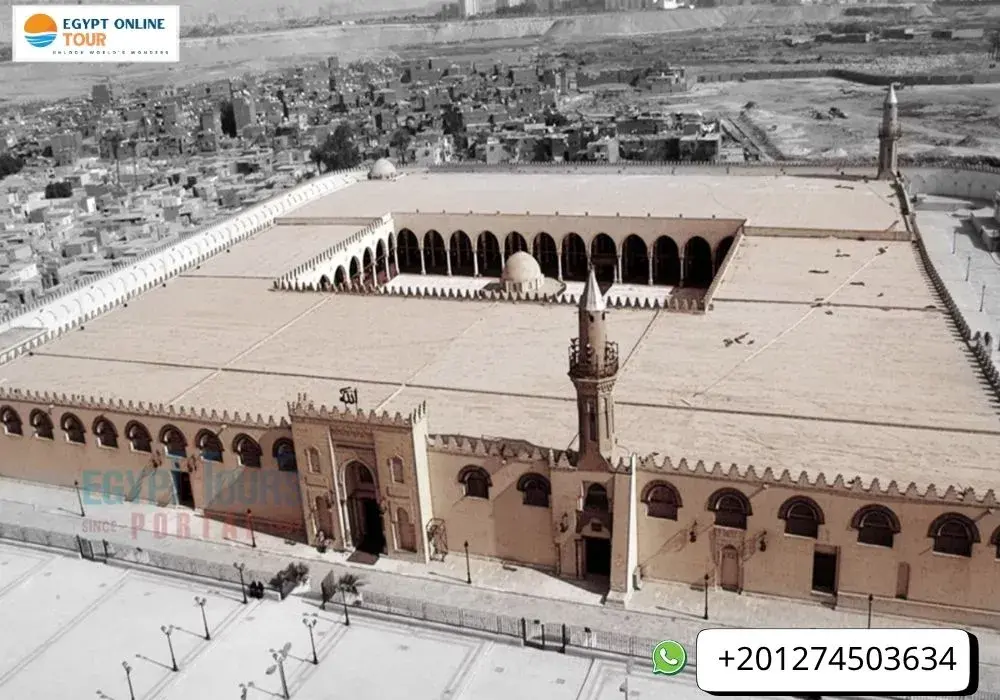
Spiritual and Cultural Significance
Amr ibn Al-A'as Mosque offers more than just walls and history. It carries Cairo’s earliest Islamic roots. While many visitors look for landmarks, this mosque feels like a pause in time.
The Mosque as a Center of Islamic Teaching
- From the start, it served as more than a place of prayer.
- Teachers gathered here to explain faith, law, and daily manners.
- Generations learned the Quran under its roof.
- Today, lessons still echo through its halls.
- It remains a trusted place for calm reflection and honest dialogue.
- Visitors often attend to learn, not just to look.
- So, it holds a quiet power without display.
Influence on Cairo’s Islamic Architecture
- The Amr ibn Al-A'as Mosque shaped how mosques were built in Egypt.
- Its open courtyard inspired future designs.
- Arches and columns became standard elements.
- Builders took notes from its layout and materials.
- Many mosques in Cairo still reflect their shape and scale.
- So, you see its legacy in stone, wood, and light.
- Even modern architects refer to its lines.
Connection to Egypt’s Early Islamic History
- This mosque was Cairo’s first, built in 641 CE.
- It marked Islam’s arrival after Amr ibn Al-A'as entered Egypt.
- Each wall carries early Muslim hopes and Cairo’s birth.
- Historians trace political and social shifts through their phases.
- It has seen wars, peace, and restoration.
- So, it’s not just a monument but a memory keeper.
- Its legacy links Medina, Fustat, and modern Cairo.
It’s the kind of quiet day that lets you take in every detail—just like at the Unfinished Obelisk in Aswan, where the past speaks gently.
What Sets Amr ibn Al-A'as Mosque Apart?
This mosque deserves a calm visit, like Dahab deserves a slow stay. Both invite you to take in more by doing less.
Visiting the Amr ibn Al-A’as Mosque
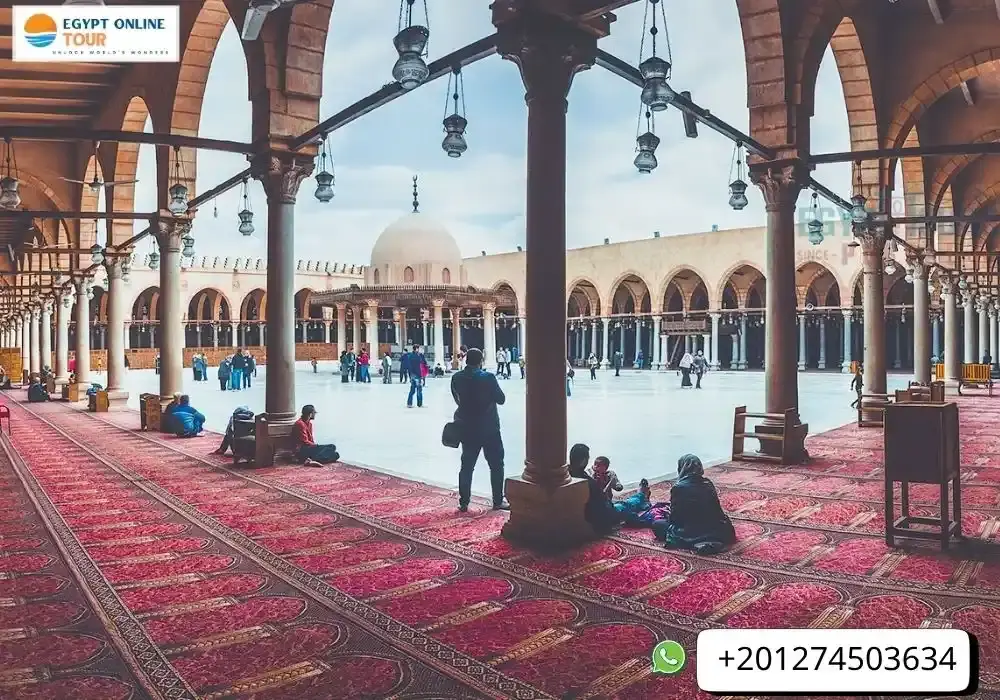
Amr ibn Al-A’as Mosque is one of Cairo’s oldest landmarks. It is calm, simple, and built for prayer first.
So, when you visit, expect honesty in design, silence in corners, and people in motion, not showy décor.
Opening Hours and Entry Guidelines
- Open most hours, but Fajr to Isha prayer times affect access, so plan around them.
- Entry is free, but donations are welcome to support care.
- It is a working mosque, so prayer comes first, and tours come after.
- Busy times are Friday and sunset, so arrive earlier if you want space.
- Guards guide politely, and signs help you move the right way.
- Phones are fine, but sound must stay muted.
Dress Code and Cultural Etiquette
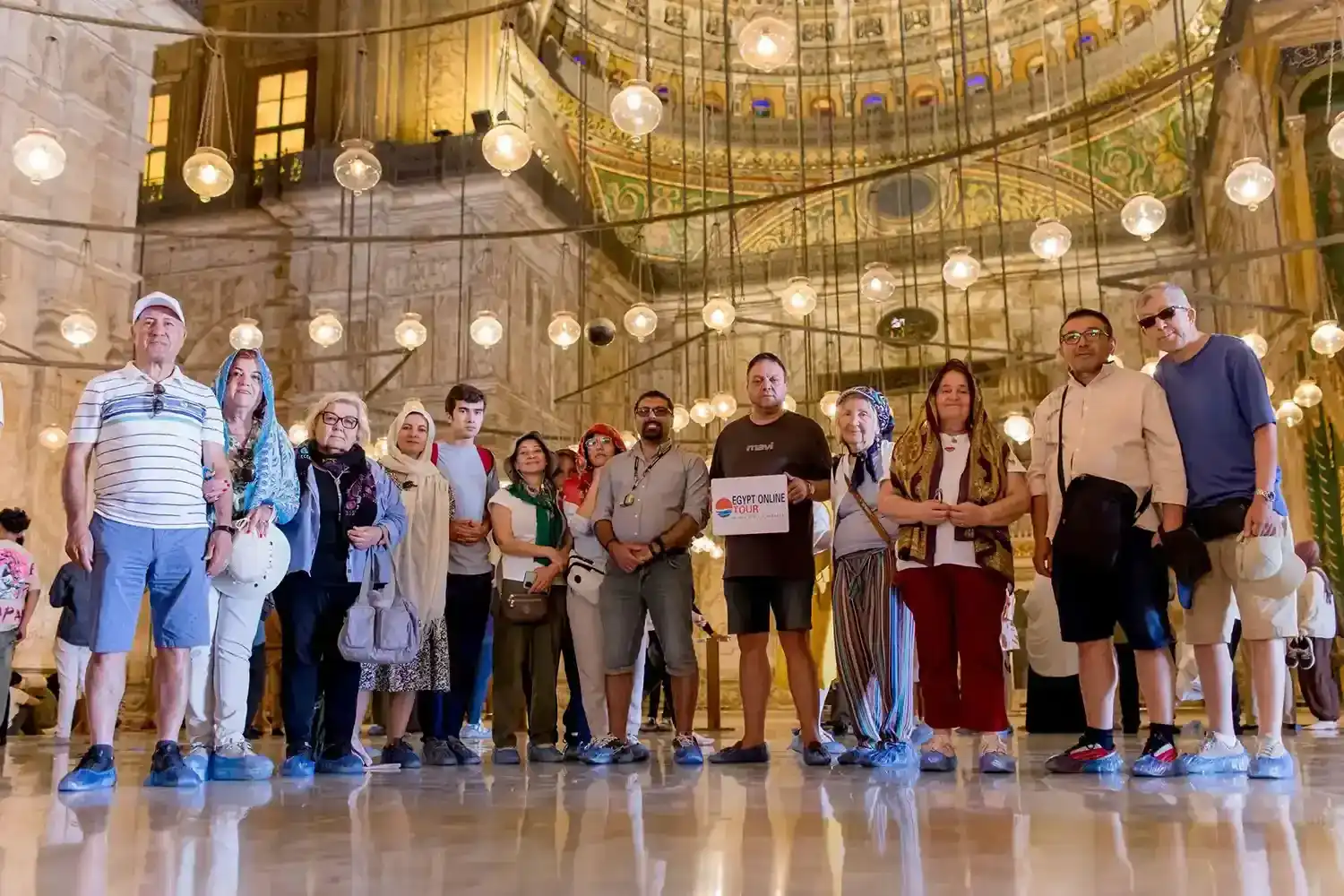
- Wear loose, clean, and modest clothing that covers arms and legs.
- Scarves are advised for women, but locals often lend one if you forget.
- Shoes stay outside the prayer hall, so bring socks if you prefer.
- Keep your voice calm, because echoes travel far here.
- Photos are allowed, but people in prayer are not photo targets.
- Respect matters more than perfect form, so move gently, ask kindly, and follow the crowd flow.
What to Expect Inside the Courtyard and Prayer Halls
- You will see a wide open court, designed to cool the air.
- Columns repeat in rows, so shade follows you when you walk.
- The floor tells stories of age, but it stays smooth under feet.
- Prayer halls are plain, so nothing distracts the heart.
- Light enters softly, and silence feels intentional, not empty.
- People sit to read, while others pass through quietly.
Quick Guide Table (Helps Your Visit)
The Amr ibn Al-A'as Mosque speaks through space, not decoration. So walk slowly, notice details, and let the place unfold without rush. It stays with you after you leave, because simplicity has a long echo. Start your adventure today—reserve your Egypt Classic Tours through Egypt Online Tour and enjoy every step of the way.
Tips for Tourists
A visit to the Amr ibn Al-A'as Mosque feels different when you plan well. Timing, light, transport, and small habits shape the whole experience. Go ready, go calm, and go with intent.
Best Time to Visit and Photography Tips
- Visit early morning so crowds are low, and also the light is soft.
- Or go after Asr prayer, because the air gets cooler, and shadows look cinematic.
- But avoid Fridays if you want space, since it gets busy fast.
- Photos work best in the open court, so use natural light, not flash.
- Also, shoot near arches, because depth looks better in frames.
- But pause if prayer starts, because respect beats photos every time.
- Hold your phone low and silent, so moments stay calm and honest.
- Try angles that show columns in lines, and then let light do the rest.
- Faces in prayer are private, so avoid that, and shoot space instead.
- Lastly, take a breath before you click, so your shot feels lived, not rushed.
Read about: Best Months to Visit Egypt
How to Reach the Mosque (Transport Options)
- Take the metro to Mar Girgis Station, and then walk 8–10 minutes.
- Or use a taxi, but the driver may stop nearby, so expect a short walk.
- Uber and Careem also drop close, and you can track without stress.
- If you like slow travel, go by foot from Old Cairo sites, and enjoy the layers.
- But wear comfy shoes, because the ground shifts between stone and dust.
- Ask for Old Cairo if needed, because that shortcut works with most drivers.
- Signs are clear, so follow them, and locals also guide if you ask with a smile.
You’ll remember this visit not for the size of the place, but for its calm and grace. Let your steps slow down while walking toward the past. Make it a stop, not a scroll. Use this moment, not just your camera.
Amr ibn Al-A'as Mosque welcomes those who take time to see it, not just pass it.
Want more? See what is there to do in Luxor
Why Amr ibn Al-A’as Mosque Is a Must-See Landmark
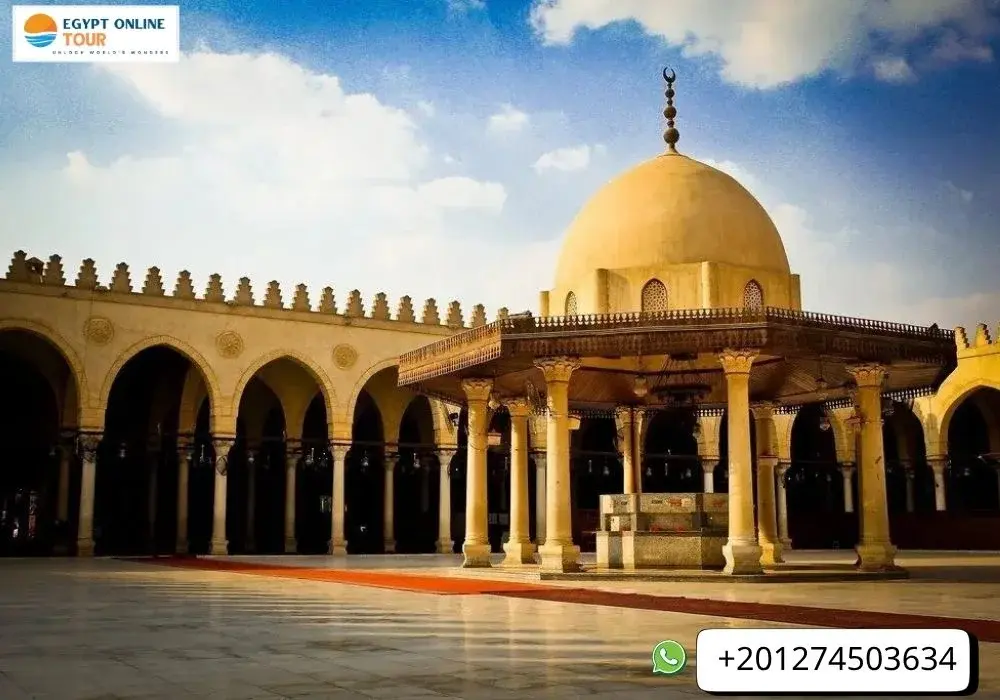
This is not just a place you visit. This is a place you feel. It is calm, honest, old, and alive at the same time. So, if you want Cairo without noise, start here.
What makes it different?
- It was the first mosque in Egypt, and so it began a new chapter in the region.
- It is still used for prayer, and so it feels real, not frozen in time.
- The design is simple and also open, so nothing steals your focus.
- Columns create rhythm, and light draws soft lines, so every photo feels natural.
- The floors show age, but they carry it quietly, and so you walk lighter, not heavier.
- You learn the history because the space tells it, and not because signs force it.
- Locals pray, visitors watch with respect, and so the place feels shared, not staged.
- It sits near other faith landmarks, and so one walk links many layers of belief.
What you will feel
- You find calm first and facts second, so your heart meets the place before your mind.
- You slow down without trying, because the walls reset your pace.
- No one tells you to lower your voice, yet everyone naturally does.
- It earns emotion gently and does not ask loudly for attention.
The real reason to go
- Come for the history, but stay for the peace.
Your camera will capture the place, but your mind will keep the quiet.
You may plan a short visit, yet you will find yourself staying longer.
Amr ibn Al-A’as Mosque does not speak out loud. So, you listen with your steps. And if a place says more in silence than others say in signs, it is worth the walk. If you're drawn to peaceful places that stir something deeper, explore howWadi El Rayan. reflects that calm through nature’s quiet beauty.
Summery
Amr ibn Al-A'as Mosque is not just Cairo’s first mosque—it’s where stillness holds meaning. This guide, Why Amr ibn Al-A’as Mosque Is a Must-See Landmark, invites you to feel the city’s roots, not just see them. Egypt Online Tour helps you reach this quiet wonder with ease and care. So take the step, slow your pace, and let the silence speak. Some places show history. This one lets you stand inside it. Book yourEgypt tour packages today and get ready for an experience you’ll always remember—we’re excited to welcome you.
Let our local travel experts help you design the perfect itinerary. Whether you're seeking adventure, culture, or relaxation, we've got you covered!