
The Church of Saints Sergius and Bacchus, called Abu Serga in Cairo, is one of the oldest churches in Egypt and the church built over the cave where, according to Coptic tradition, the Holy Family rested during their flight into Egypt. It stands inside the walls of the Roman fortress of Babylon in Coptic Cairo, a few minutes' walk from the Mar Girgis metro station, and is open daily from 9:00 to 16:00 with free entry.
Abu Serga is a regular stop on our Old Cairo tours, and for Christian pilgrims it is often the most moving stop of the whole trip. This guide explains the history of the church, what you see inside and in the crypt, and how to plan the visit.
Abu Serga at a glance
| Other names | Abu Serga, Abu Sarga, the Church of the Cave |
|---|---|
| Location | Inside the Babylon fortress, Coptic Cairo (Old Cairo), next to Mar Girgis metro (Line 1) |
| Dedicated to | Saints Sergius and Bacchus, Roman soldiers martyred at Resafa in Syria |
| Date | Traditionally 4th to 5th century; burned about 750 and rebuilt; renovated many times |
| Opening hours | 09:00 to 16:00 daily (Ministry of Tourism and Antiquities) |
| Entry | Free; it is an active church |
| Time needed | 30 to 45 minutes; 2 to 3 hours for all of Coptic Cairo |
The Holy Family and the cave
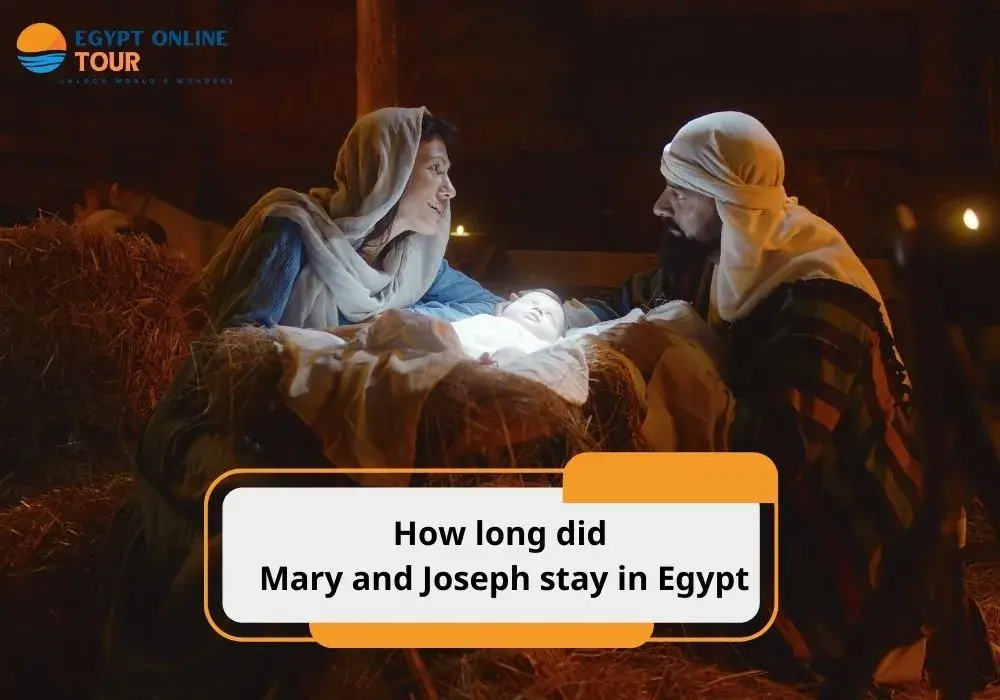
The Gospel of Matthew tells how Joseph took Mary and the infant Jesus to Egypt to escape King Herod. Coptic tradition traces their route through more than twenty places in Egypt, and one of them is Old Cairo, then the Roman fortress town of Babylon on the Nile. Tradition holds that the family sheltered in a cave here, and the church of Abu Serga was built over it.
The cave is now a crypt directly below the sanctuary. It is a small, low, vaulted space with columns and a niche where, according to tradition, the family rested. Historians date the crypt in its present form to around the 12th or 13th century, while older writers placed it as early as the 6th; the tradition of the place is much older than the masonry you see. The Coptic Church celebrates the entry of the Holy Family into Egypt at the beginning of June, and the festivals connected to their journey were added to UNESCO's list of intangible cultural heritage in 2022. The same tradition takes the family to Wadi El Natrun, whose desert monasteries are covered in our guide to where Wadi El Natrun is.
The crypt lies below the level of the groundwater and has flooded many times over the centuries; it is sometimes closed after rises in the water table, so ask at the church before you plan around it. For the full story of the journey, read how long Mary and Joseph stayed in Egypt.
Why Abu Serga matters to Christians
For the Coptic Church, the places where the Holy Family stayed are blessed ground, and Abu Serga is the best known of them in Cairo. Copts come to pray in the crypt, to light candles before exams, weddings or journeys, and to baptise children in the church. Pilgrims from abroad come because it is one of the few places on the route of the flight into Egypt that sits in the middle of a capital city and can be visited in an hour.
The church also keeps the memory of its two martyr saints, honoured for refusing to give up their faith under Roman rule. Visitors of every faith are welcome; what is asked of them is quiet and respect, because Abu Serga is a working parish and not a museum.
Abu Serga through the centuries
| Period | What happened |
|---|---|
| Early 4th century | Sergius and Bacchus martyred in Syria |
| Late 4th to early 5th century (tradition), or late 7th century (some historians) | First church built inside the Babylon fortress over the cave |
| Late 7th to 11th century | Many Coptic patriarchs chosen in the church |
| About 750 | Burned in the fire of Fustat, then rebuilt |
| 12th to 13th century | Likely date of the crypt in its present form |
| 2022 | Festivals of the Holy Family journey added to UNESCO's intangible heritage list |
History of the Church of Saints Sergius and Bacchus
Origins inside the Babylon fortress
The church stands within the remains of the Roman fortress of Babylon, built to guard the Nile crossing and the canal that linked the river to the Red Sea. Coptic tradition and the Ministry of Antiquities date the first church to the late 4th or early 5th century, which would make it one of the oldest churches in Cairo; other historians place its founding later, in the late 7th century. Read more about the Babylon fortress.
Fire and rebuilding
Around 750 the church was burned in the great fire of Fustat during the last days of the Umayyad caliph Marwan II. It was restored soon after and has been renovated many times since, so most of what you see today belongs to the medieval and later rebuilding on the old plan.
A church of patriarchs
From Patriarch Isaac at the end of the 7th century until the 11th century, Abu Serga was the place where many patriarchs of the Coptic Church and bishops were chosen, a sign of its importance when Fustat was the capital of Egypt.
Who were Sergius and Bacchus?
Sergius and Bacchus were officers in the Roman army who, according to their story, refused to sacrifice to the Roman gods and were martyred in Syria in the early 4th century; Sergius at Resafa, where a great pilgrimage church later rose over his tomb. Their cult spread across the Christian East, which is why a church in Cairo carries their names.
What to see inside Abu Serga
The basilica
Abu Serga follows the early Coptic basilica plan: a narthex (entrance hall), a nave with two side aisles divided by marble columns, and a raised sanctuary at the east end. The wooden roof of the nave is shaped like an upturned ship's hull, a feature of the old churches of Cairo. Several columns still show faint painted figures of saints.
The sanctuary screen and woodwork
The sanctuary is closed by a templon (screen) of dark wood inlaid with ivory in fine geometric patterns, with icons along the top. Behind it are three altars, dedicated to Saints Sergius and Bacchus in the centre, to Saint George and to the Virgin Mary. The pulpit and the baptismal font are also worth a look.
The icons
The walls of the aisles carry a series of icons of saints, apostles and scenes from the life of Christ, including the flight into Egypt. Most date from the last few centuries; they are part of a living church and many are kissed and touched by worshippers.
The crypt
Steps beside the sanctuary lead down to the crypt. Go slowly: the steps are narrow and the space is small, and visitors are often praying. Photography inside the church is usually allowed without flash, but ask the attendant and keep the camera away during prayers.
Visiting tips from our guides
- Dress: cover shoulders and knees; women may want a light scarf, though it is not required for visitors.
- When to go: weekday mornings are quietest. On Sundays and feast days services fill the church; visitors are welcome but should stay at the back.
- Getting there: take Metro Line 1 to Mar Girgis. From the station, enter the Coptic quarter through the passage into the old fortress and follow the lane down; the church is a short walk inside.
- Security: there is a bag check at the entrance to the Coptic quarter.
- Floors and steps: wear flat shoes; the lanes and church floors are uneven and lower than the modern street.
- Guides: a guide brings the stones to life; without one, the significance of the crypt and the icons is easy to miss.
Best time to visit
Weekday mornings, soon after the church opens at 9:00, are the calmest time; tour groups fill Coptic Cairo from late morning. Friday and Sunday mornings bring the liturgy and local families, which is a moving sight but leaves less room to look around. Around the feast of the entry of the Holy Family into Egypt at the beginning of June, and at Coptic Christmas on 7 January, the quarter is crowded with worshippers; come then for the atmosphere, not for a quiet visit. Coptic Easter, with its Holy Week services, is covered in our guide to Easter in Egypt. In summer, Coptic Cairo is hot by midday, so start here and finish in the cool of the Coptic Museum.
Photography and respectful conduct
- Take photos without flash and never during a service; keep phones silent.
- Do not sit on or lean against the sanctuary screen, and do not enter the sanctuary behind it.
- In the crypt, wait your turn if people are praying and keep the visit short.
- Do not touch icons unless you are joining in prayer; worshippers may kiss them, visitors should simply look.
- Speak quietly and keep groups small inside; guides usually explain the church outside or in the narthex.
Other Holy Family sites in Cairo
Abu Serga is one stop on a route that Coptic tradition traces across Cairo. In Matariya, in the north-east of the city, the Virgin Mary's Tree marks the place where, according to tradition, the family rested in the shade and a spring appeared. In Maadi, the Church of the Virgin Mary stands on the river bank where tradition says the family boarded a boat to sail south into Upper Egypt. Pilgrims often visit all three in one day with Abu Serga and the Hanging Church in Coptic Cairo, and many add the Cave Church on the Mokattam hills.
What else to see in Coptic Cairo
Abu Serga is the centre of a compact quarter that you can walk in two to three hours:
- The Hanging Church, built on the gate towers of the Babylon fortress. See our Hanging Church guide.
- The Coptic Museum, with the world's largest collection of Coptic art. Read our Coptic Museum article.
- The Ben Ezra Synagogue, a few steps away, where the Cairo Geniza documents were found.
- The Church of Saint Barbara, next door, and the round Church of Saint George at the entrance of the quarter.
- The Mosque of Amr Ibn Al-Aas, the first mosque in Egypt, a short walk north. See the Amr Ibn Al-Aas Mosque.
Plan it with us
Our Old Cairo day tour covers Abu Serga, the Hanging Church and the Ben Ezra Synagogue with an Egyptologist guide. Pilgrims can follow the whole route on the Holy Family tour in Egypt.
Abu Serga Church: quick answers
Where is the Church of Saints Sergius and Bacchus?
Inside the walls of the Roman fortress of Babylon in Coptic Cairo (Old Cairo), a few minutes' walk from the Mar Girgis station on metro Line 1.
Why is the church important?
Coptic tradition holds that it stands over the cave where the Holy Family rested during the flight into Egypt. The crypt below the church is the focus of the visit for pilgrims.
When was it built?
The date is debated. Coptic tradition and the Ministry of Tourism and Antiquities place the first church in the late 4th or early 5th century; some historians date it to the late 7th century. It burned around 750 and was rebuilt and renovated many times.
Is there an entry fee, and what are the hours?
Entry is free. The ministry gives the hours as 9:00 to 16:00 daily. The crypt is sometimes closed after the groundwater rises, so ask at the church.
How long do I need?
30 to 45 minutes for the church and crypt, and 2 to 3 hours for the whole of Coptic Cairo.
Ahmed Samir writes and updates the Egypt travel guides of Egypt Online Tour, a licensed tour company based in Cairo (ETAA licence 1466). Our travel advisors review each guide before it is published.
All guides by Ahmed Samir