Explore Egyptian Mythology Places to Visit in Egypt and experience how ancient stories of gods, pharaohs, and legends are still present in real locations you can walk through today.
Each destination in this guide carries its own mythological background, reflected in its carvings, temple designs, and sacred symbols that have survived for thousands of years.
Explore Ancient Egyptian Mythology Through Real Places
You can explore Ancient Egyptian mythology by visiting real places that still exist across Egypt today. Many of Egypt’s temples and sacred cities were closely connected to religious beliefs, myths, and rituals that shaped ancient Egyptian civilization for thousands of years.
When travelers search for Egyptian Mythology Places to Visit in Egypt, they are usually looking for destinations where history and mythology come together, and Egypt Tour helps them experience these locations in an organized and meaningful way.
What makes these sites unique is that each temple, city, and sacred location is linked to a specific god, goddess, or legendary story from ancient Egypt.
Some of the best places to explore Egyptian mythology include:
- Cairo and Giza
- Luxor
- Aswan
- Abydos
- Dendera
- Edfu
- Kom Ombo
As you travel through these destinations, you will encounter massive temples, detailed carvings, and ancient monuments that still tell stories of gods, kings, creation myths, and beliefs about the afterlife.
This is why many visitors include Egyptian mythology sites in their travel plans to gain a deeper understanding of Egypt’s ancient heritage.
Why Egyptian mythology still shapes Egypt’s most famous temples
Egyptian mythology continues to shape Egypt’s most famous temples because these monuments were originally built to honor specific gods and support religious ceremonies dedicated to them. Even today, visitors can see mythological stories carved into temple walls, columns, and sanctuaries.
Ancient Egyptian temples were much more than places of worship. They were designed to reflect the power, character, and stories of the gods associated with them.
As a result, every temple has its own identity and symbolism. which becomes much clearer when experienced through structured Egypt Vacation Packages.
For example, visitors to Philae Temple can see scenes depicting the story of Isis and her importance in Egyptian beliefs.
At Karnak Temple, the architecture and inscriptions reveal how the worship of Amun-Ra became one of the most influential religious traditions in ancient Egypt.
How gods and goddesses were connected to cities and sacred sites
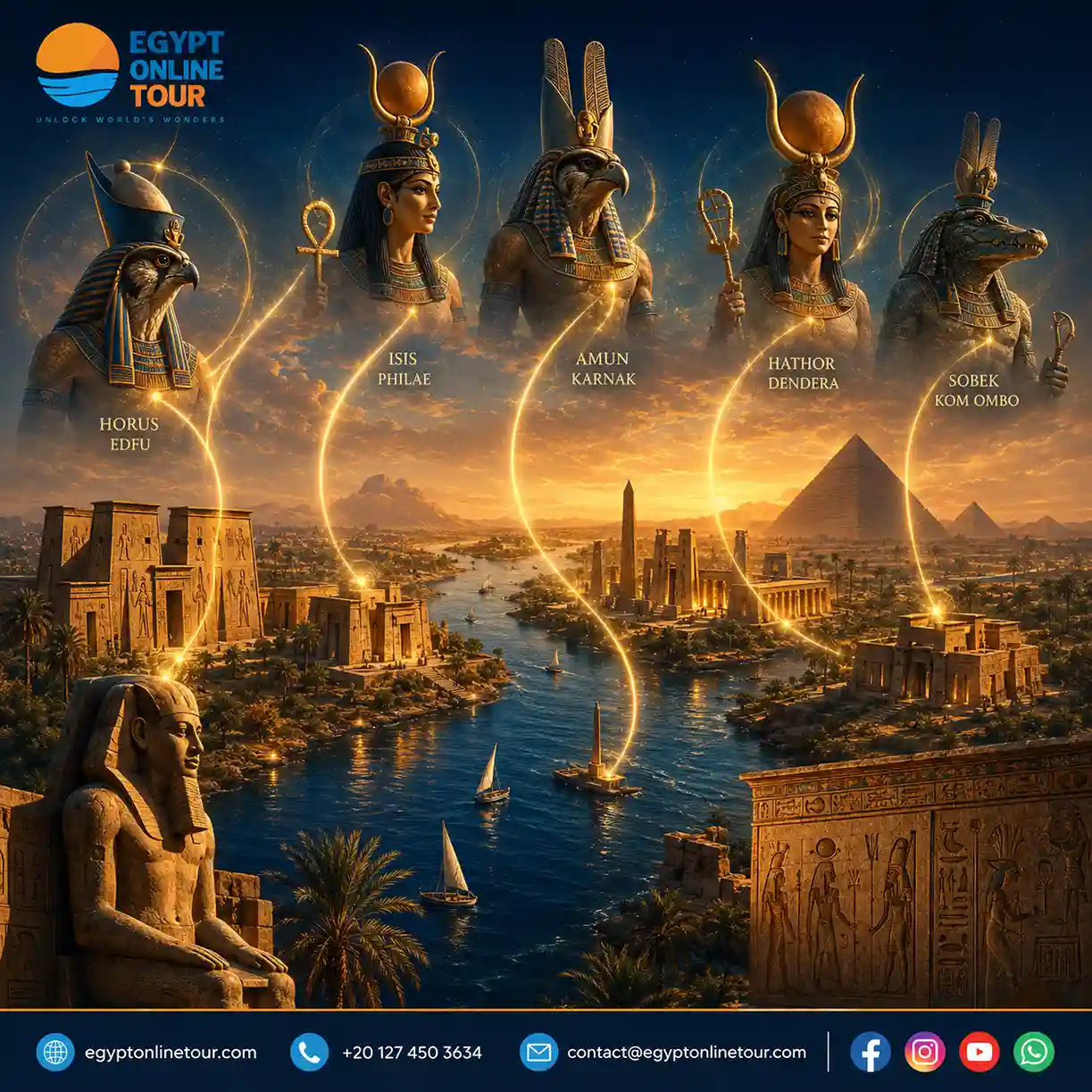
In ancient Egypt, most gods and goddesses were closely connected to specific cities or sacred locations. These connections helped transform certain places into major religious centers that attracted worshippers from across the country.
The following table highlights some of the most important relationships between deities and sacred sites:
These connections were not accidental. Ancient Egyptians believed that certain locations held special spiritual significance, making them the ideal places to honor particular deities.
Over time, these sacred sites became important religious destinations throughout Egypt.
Read about: Egyptian Goddesses Amathaunta Facts
Understanding these relationships helps visitors
- Appreciate the meaning behind the statues, carvings, and ceremonies represented in each temple.
- make exploring Ancient Egyptian gods and their stories far more engaging and memorable.
The best way to visit mythology sites with a local guide
The best way to explore Egyptian mythology sites is with an experienced local guide who specializes in ancient Egyptian history.
Many temple carvings contain references to myths, rituals, and sacred traditions that are difficult to understand without historical context.
A local guide can help you:
- Understand the myths associated with each temple.
- Interpret ancient carvings, symbols, and inscriptions.
- Follow a well-organized route between major mythology sites.
- Learn historical details that are often missed during self-guided visits.
- Connect different temples and stories into a complete mythology experience.
If you are planning to join one of the many Mythology Tours in Egypt or travel on a Nile Cruise Egypt itinerary, a professional guide can significantly enrich your experience at sites such as Karnak Temple, Philae Temple, and Edfu Temple.
Best Egyptian Mythology Places to Visit in Egypt
The best Egyptian Mythology Places to Visit in Egypt are a collection of temples and archaeological sites directly connected to the gods and ancient myths of Egyptian civilization.
These sites offer visitors a real opportunity to experience Ancient Egyptian mythology inside places that still exist today in remarkable condition.
This journey is not just about sightseeing ruins, but about understanding how ancient Egyptians lived their beliefs through rituals, temples, and sacred stories that shaped their worldview.
How to plan visiting these sites
If you plan to explore Egyptian mythology sites, proper planning helps you get a much deeper experience and better understanding of each location.
Visiting these temples is best done with a structured itinerary and a professional Egyptologist guide who can explain the symbols and stories behind each site.
1. Karnak Temple: The sacred home of Amun-Ra
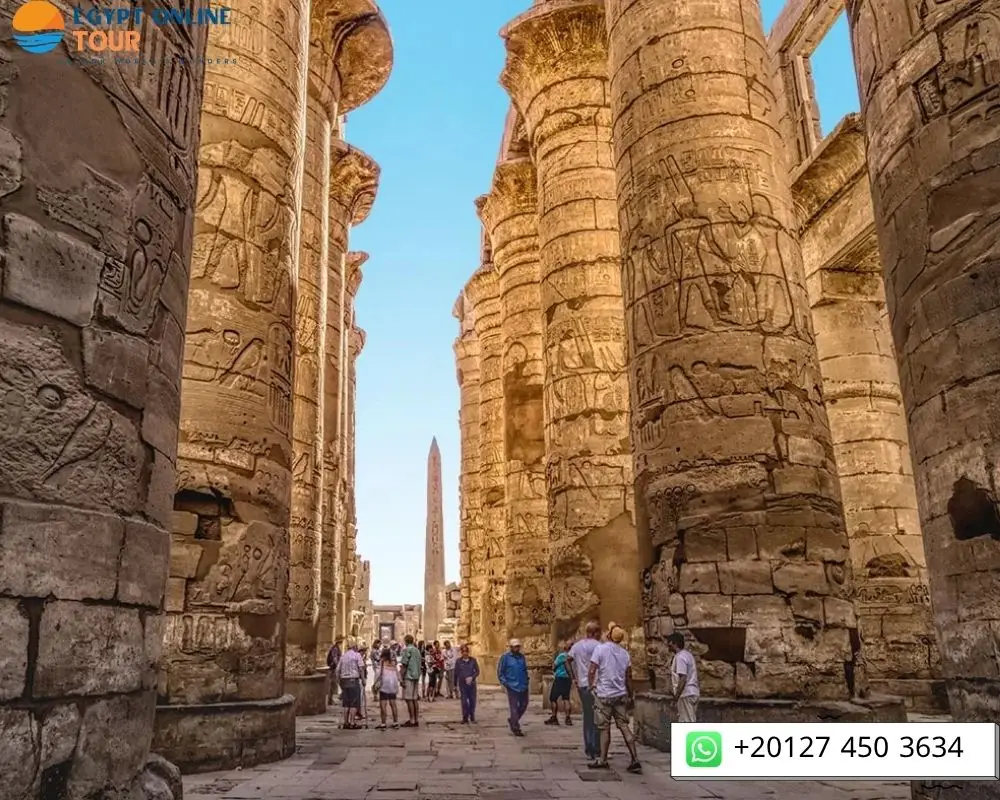
Facts about The Temple of Karnak show that Karnak Temple is the largest religious complex dedicated to Amun-Ra and one of the most important Egyptian Mythology Places to Visit in Egypt.
It was the spiritual heart of ancient Egypt and the main center for major religious rituals.
Before exploring its details, it is important to know that Karnak was the main site for royal and divine ceremonies connecting pharaohs with the gods.
What you will see at Karnak
Inside the temple, you will find massive structures and inscriptions that reflect an entire religious world.
- The Great Hypostyle Hall.
- The Avenue of Sphinxes.
- The Sacred Lake.
- Reliefs of the Opet Festival.
Why Karnak is important
A well-organized visit to Karnak provides a deep understanding of its symbolism and religious meaning through the:
- Morning visits to avoid crowds.
- Guided tour with an Egyptologist.
- Focus on inscriptions and sacred symbols.
2. Luxor Temple: Kingship, gods and ancient festivals
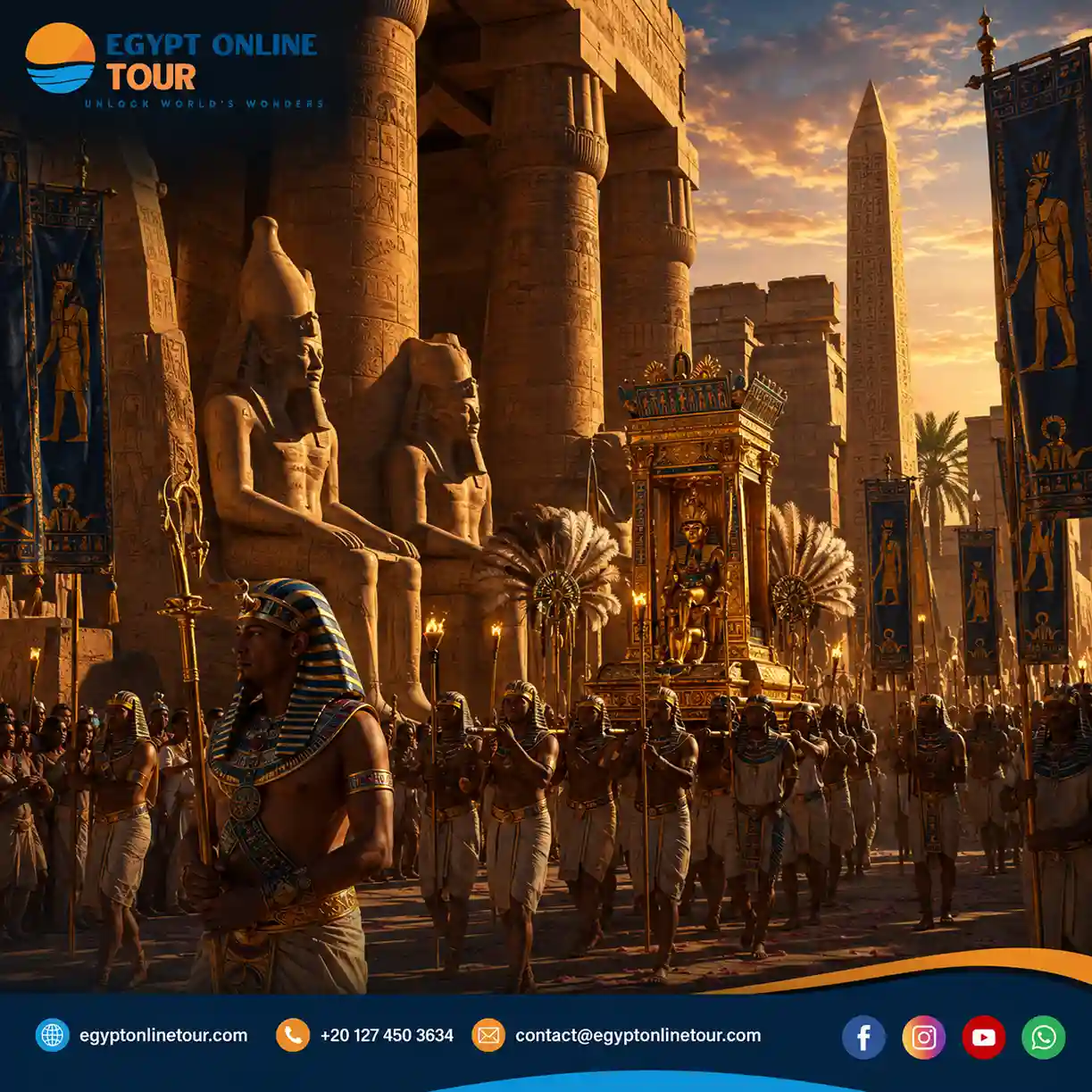
Luxor Temple was used for royal coronation rituals and is one of the key Egyptian Mythology Places to Visit in Egypt. It played an essential role in the religious festivals that connected pharaohs with the gods.
How many days in Luxor is usually enough for most travelers depends on how deeply you want to explore the temples, tombs, and mythology sites, but in general 2 to 3 full days is ideal.
Before diving into details, it is important to understand that this temple was part of a ceremonial route between Karnak and Luxor.
The temple reflects both religious and political functions of ancient Egypt.
- Massive statues of pharaohs..
- Historic colonnades.
- Reliefs of the Opet Festival.
- Direct location on the Nile.
Read: When Was the Luxor Temple Built
Quick comparison inside the temple
3. Philae Temple: The island temple of Isis
Philae Temple is a temple dedicated to the goddess Isis and one of the most important Egyptian Mythology Places to Visit in Egypt.
It reflects the legendary story of Isis and Osiris and her role as a symbol of protection and magic.
This is why the Oberoi Philae Nile Cruise is considered one of the most luxurious ways to experience this site, as it combines comfort on the Nile with direct access to major temples along the route.
Before exploring its details, it is important to know that the temple is located on an island in the Nile.
Look at: Visiting Philae Temple in Aswan
What makes Philae special
The journey itself is part of the experience because the temple is accessible only by boat.
- Island location.
- Boat access only.
- Reliefs of Isis mythology.
- Peaceful natural atmosphere.
4. Edfu Temple: The temple of Horus
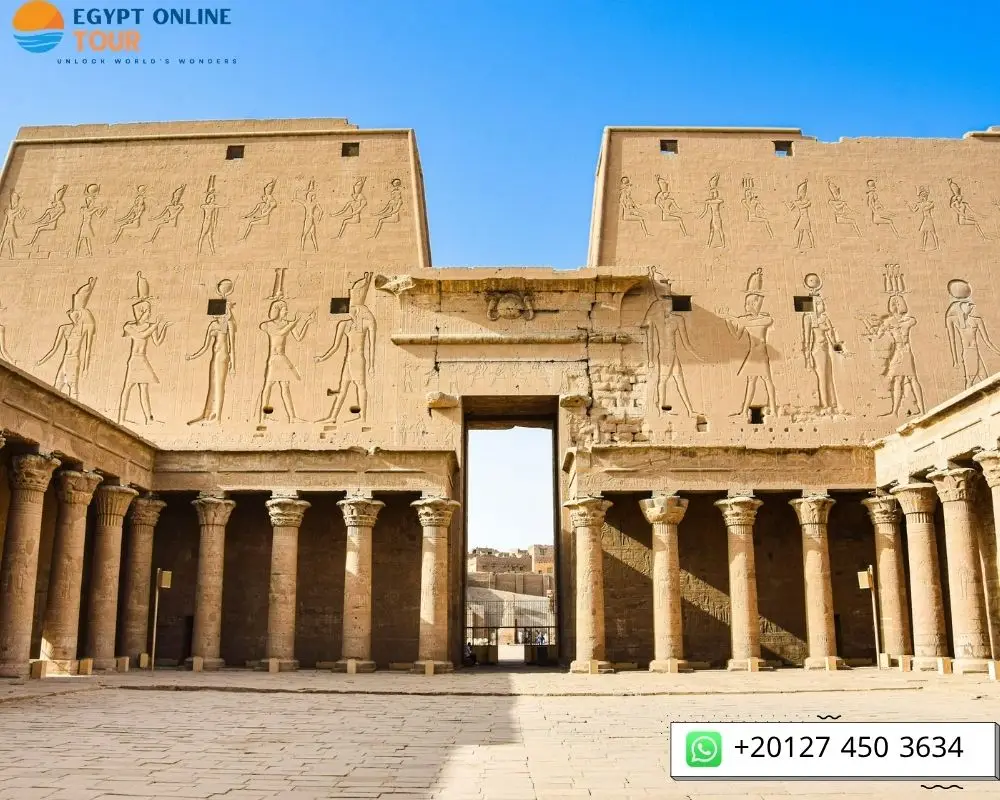
Edfu Temple is dedicated to the god Horus and is one of the most important Egyptian Mythology Places to Visit in Egypt for understanding the battle between Horus and Seth.
The temple preserves a complete mythological narrative carved into its walls.
Before exploring details, it is important to know that this is one of the best-preserved temples in Egypt.
What you will see in Edfu
The temple presents a full mythological story through detailed carvings.
- Horus depicted as a falcon.
- Complete story of the conflict with Seth.
- Extremely well-preserved structure.
5. Kom Ombo Temple: Sobek and Horus in one temple
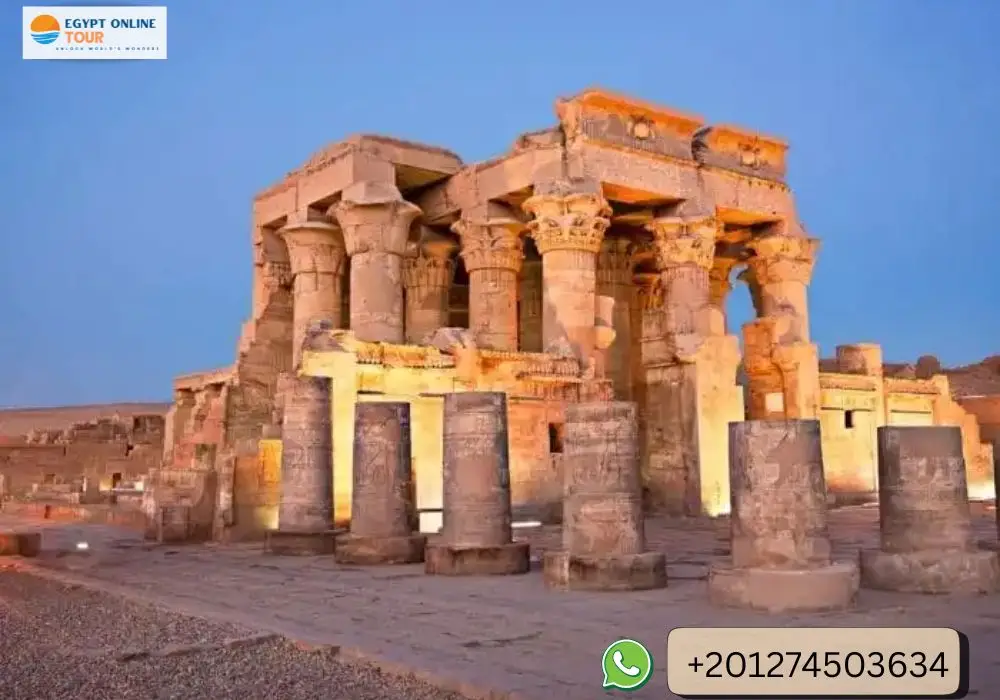
Kom Ombo is a unique double temple dedicated to Sobek and Horus, making it one of the most distinctive Egyptian Mythology Places to Visit in Egypt.
Its design reflects balance between two different divine forces in ancient Egyptian belief. Before exploring details, it is important to understand its unusual dual structure.
Most Nile cruise itineraries stop at Kom Ombo, making it easy for travelers to:
- Stop during Nile journey.
- Visit crocodile museum.
- Explore dual architecture.
Main features of Kom Ombo
The temple stands out due to its symmetrical and dual design.
- Double temple structure.
- Crocodile museum.
- Nile-related religious carvings.
6. Abydos Temple: The sacred city of Osiris
Abydos was a major cult center of Osiris and one of the most important Egyptian Mythology Places to Visit in Egypt linked to the concept of resurrection.It was considered a sacred pilgrimage site in ancient Egypt.
Before details, it is important to know that Abydos represents beliefs about the afterlife.
What you will see
The site contains important religious inscriptions and historical records.
- Funerary inscriptions.
- Kings list of ancient Egypt.
- Temple of Seti I.
7. Dendera Temple: The temple of Hathor
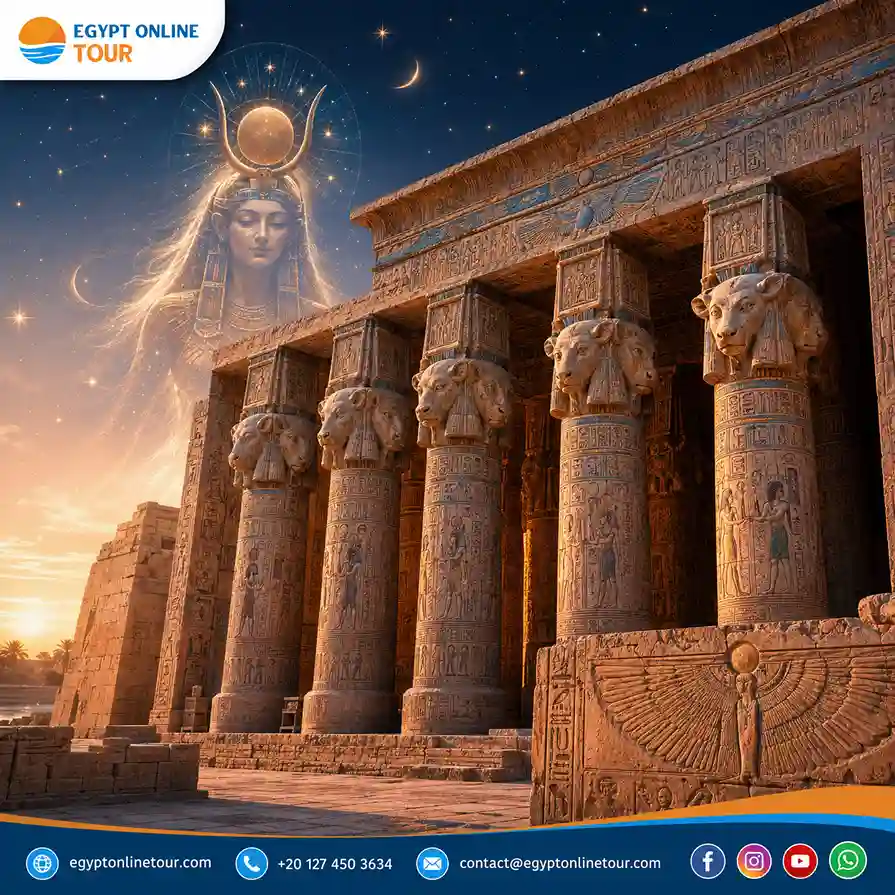
Dendera Temple is linked to Hathor, the goddess of joy, beauty, and music. It stands out as one of the Egyptian mythology places in Egypt that reflects celebration, art, and sacred symbolism.
Before details, it is important to know that Dendera is famous for its artistic decoration. Dendera offers a peaceful and visually rich experience:
- Day trip from Luxor
- Ceiling observation
- Calm temple exploration
Main highlights
The temple is known for its astronomical ceiling and artistic carvings.
- Colorful astronomical ceiling.
- Musical and festive reliefs.
- Highly detailed artistic design.
8. Abu Simbel: Ramses II, Amun-Ra and divine kingship
Abu Simbel reflects the power of Ramses II and his connection with the gods and is one of the strongest Egyptian Mythology Places to Visit in Egypt.
The site combines religion, kingship, and engineering in one monumental structure. Before details, it is important to know that the temple is carved entirely into a mountain.
Abu Simbel is one of the most powerful travel experiences in Egypt because of the:
- Organized trip from Aswan.
- Morning visit recommended.
- Observation of solar phenomenon.
Read about: Facts about Abu Simbel Temple
Main highlights of Abu Simbel
The temple is known for its massive statues and solar alignment.
- Giant rock-cut statues.
- Sunlight illuminating the inner sanctuary.
- Two main temples.
The 8 Days Cairo to Abu Simbel and Back Overland tour is designed for travelers who want a complete land journey across Egypt, ending with one of the most iconic temples in the south.
Ancient Egyptian Gods and the Places Connected to Them
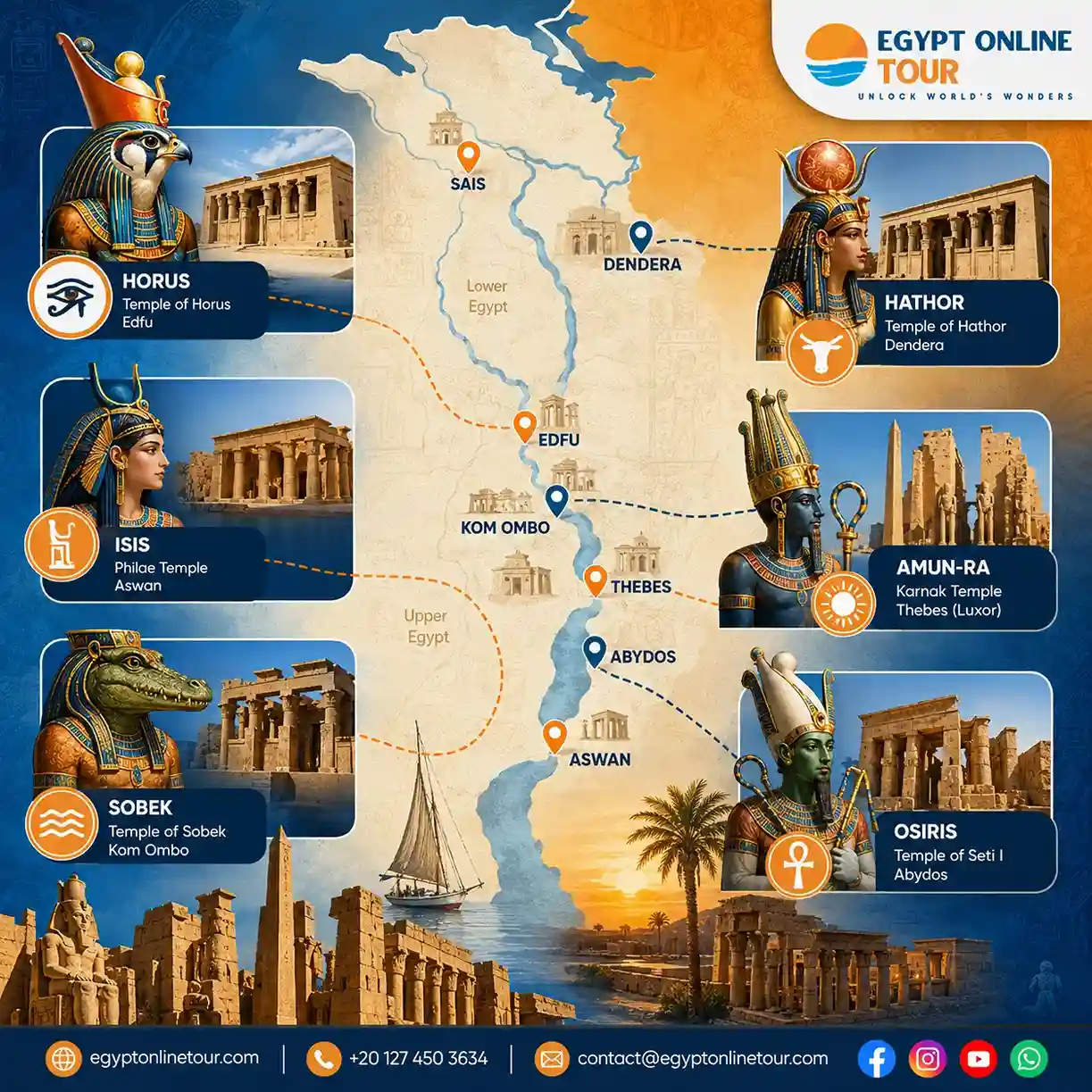
Ancient Egyptian gods were directly linked to real sacred sites across Egypt, where each temple acted as a living center of worship that reflects mythology in physical form.
This is why these locations are considered some of the most important Egyptian Mythology Places to Visit in Egypt, as they combine history and mythology in one experience.
Ancient Egyptian gods were connected to specific temples in Egypt, and each temple served as a living embodiment of mythology that visitors can still explore today.
1. Amun-Ra and Karnak Temple
For anyone interested in Egyptian mythology, Karnak Temple is one of the most powerful places to visit in Egypt, as it was closely linked to Amun-Ra, the great god of Thebes.
The site reflects the strong connection between religion and political power in ancient Egyptian civilization.
Karnak is the largest religious complex in ancient Egypt and the main center of worship for Amun-Ra, used for major royal festivals such as the Opet Festival.
Key Elements of Karnak Experience
Visiting Karnak gives a clear understanding of how religion and state power were deeply connected in ancient Egypt.
2. Isis and Philae Temple
Philae Temple was the main center of worship for Isis, making it one of the most important Egyptian Mythology Places to Visit in Egypt.
The temple portrays the deeply emotional story of Isis’s journey to find and restore Osiris, one of the most powerful narratives in Egyptian mythology. .
Philae Temple in Aswan was a major center of worship for Isis and is linked to her myth of searching for Osiris and restoring him through magical power.
Philae Temple Highlights
A visit to Philae feels like stepping into a living myth connected to water and life.
3. Horus and Edfu Temple
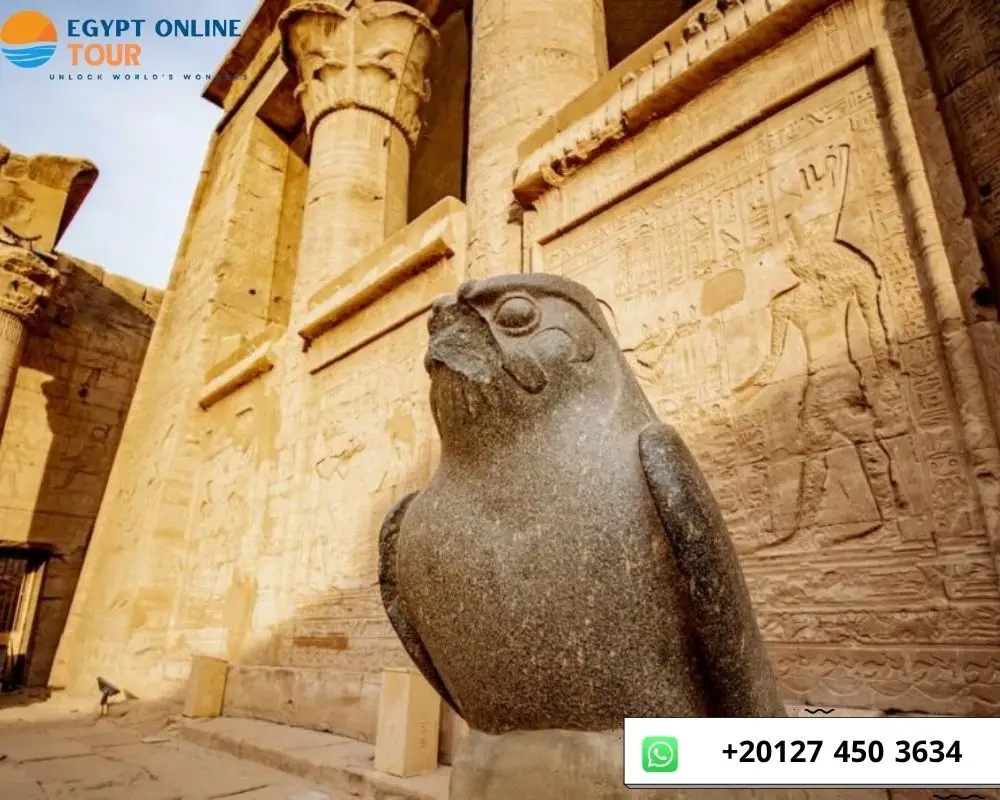
Temple of Horus at Edfu is dedicated to Horus and preserves one of the most complete mythological stories, making it one of the most important Egyptian Mythology Places to Visit in Egypt.
The temple illustrates the battle between Horus and Seth in great detail. Edfu Temple is the best preserved source of the myth of Horus and Seth, showing the full story carved on its walls.
Inside Edfu
Edfu gives visitors the rare experience of reading an entire myth carved in stone.
4. Osiris and Abydos
Abydos was the main center of worship for Osiris and the rituals of rebirth, making it one of the most important Egyptian Mythology Places to Visit in Egypt.
The site represents the ancient Egyptian belief in life after death.
Abydos was a sacred center of worship for Osiris and is strongly connected to ancient Egyptian beliefs about resurrection and the afterlife.
Features of Abydos
Abydos helps visitors understand the Egyptian philosophy of death as a transition to another life.
5. Hathor and Dendera Temple
Dendera was the main center of worship for Hathor and is known for its artistic and astronomical design, making it one of the most important Egyptian Mythology Places to Visit in Egypt.
The site reflects joy, music, and celebration in ancient Egyptian religion.
Dendera Temple was dedicated to Hathor and is famous for its astronomical ceiling and decorations reflecting music and celebration in ancient Egypt.
Dendera Highlights
Dendera shows the artistic and joyful side of ancient Egyptian mythology.
6. Sobek and Kom Ombo Temple
Kom Ombo was dedicated to both Sobek and Horus, making it one of the most unique Egyptian Mythology Places to Visit in Egypt.
The temple reflects the balance between nature and religion.
Kom Ombo Temple is a double temple dedicated to Sobek and Horus, reflecting the ancient Egyptians’ relationship with the Nile and crocodiles.
Kom Ombo shows how ancient Egyptians integrated nature into their religious beliefs.
7. Anubis and the Valley of the Kings
The Valley of the Kings is strongly connected to Anubis, the god of mummification, making it one of the most important Egyptian Mythology Places to Visit in Egypt. The site reflects the ancient Egyptian journey into the afterlife.
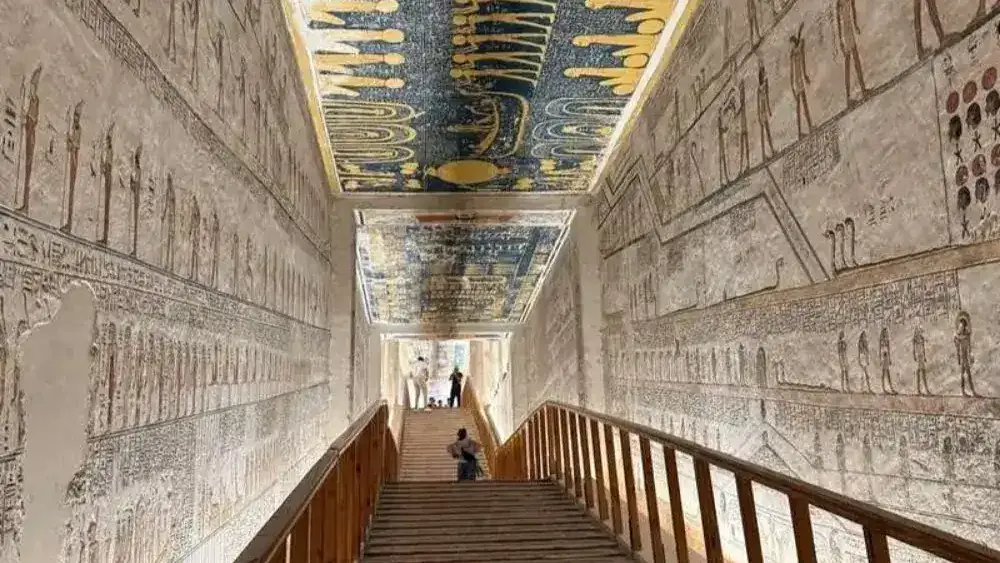
The Valley of the Kings in Luxor is a burial site for pharaohs and is linked to Anubis and his role in protecting the dead and guiding them to the afterlife.
Visiting the Valley of the Kings reveals how deeply the ancient Egyptians believed in life after death.
The How Many tombs in the Valley of the Kings question is one of the most common things travelers ask, and the answer is that there are over 60 known tombs discovered so far, with some of them open to visitors depending on conservation work and restoration schedules.
Best Egypt Itinerary for Mythology Lovers
The best way to explore Egyptian Mythology Places to Visit in Egypt is to follow a single route from Cairo to Aswan instead of visiting sites randomly.
This itinerary helps you understand how ancient beliefs evolved step by step:
- Starting with the concept of the afterlife in Giza.
- Moving into the world of gods in Luxor.
- Ending with the symbolic connection between the Nile and eternity in Aswan.
What makes this route special is that it is not just about travel between cities, but a carefully designed path that reflects the ancient Egyptian journey from life to death and rebirth.
To make the experience smoother, it is better to keep your schedule flexible.
1. Cairo and Giza mythology highlights
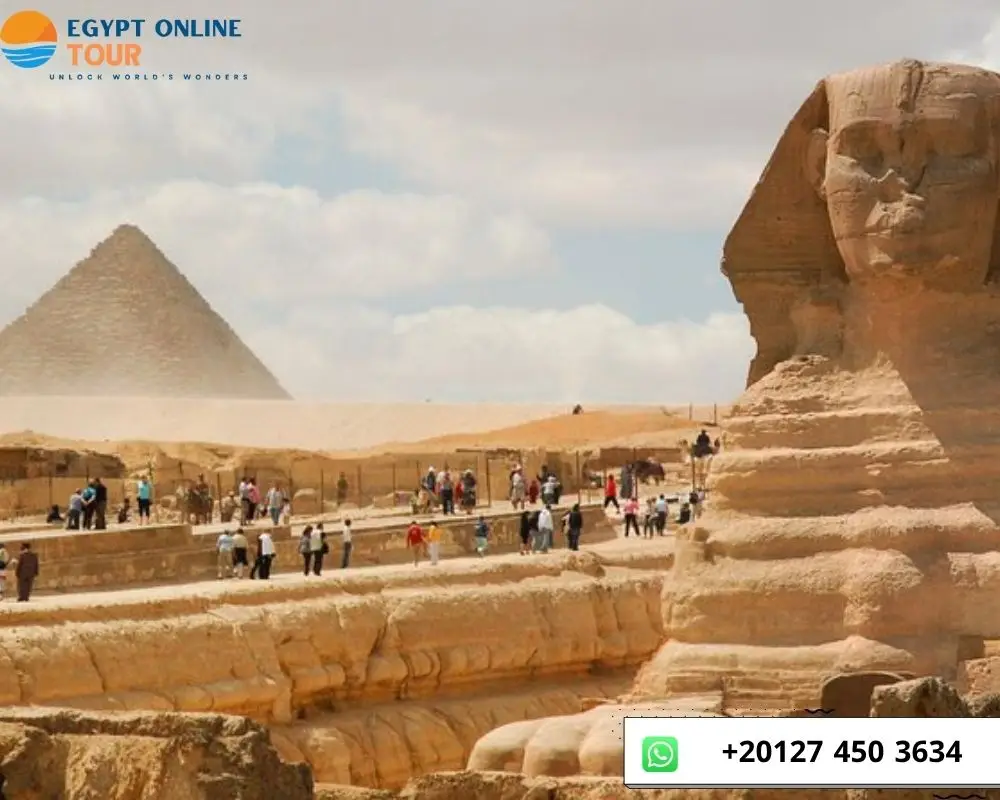
Cairo and Giza are the natural starting point for understanding ancient Egyptian beliefs about death and the afterlife, making them an essential part of Egyptian Mythology Places to Visit in Egypt.
Standing in front of the pyramids is not just about seeing massive structures, but about witnessing a complete belief system centered on eternity and divine kingship.
The Egyptian Museum completes this experience by displaying:
- Statues
- Artifacts
- Ritual objects
That brings these myths to life instead of leaving them as abstract ideas.
Cairo is often explored through structured itineraries like the 5 Days Cairo Tour, which gives travelers enough time to understand the city’s deep connection with ancient Egyptian beliefs before continuing their journey south.
2. Luxor East Bank temples
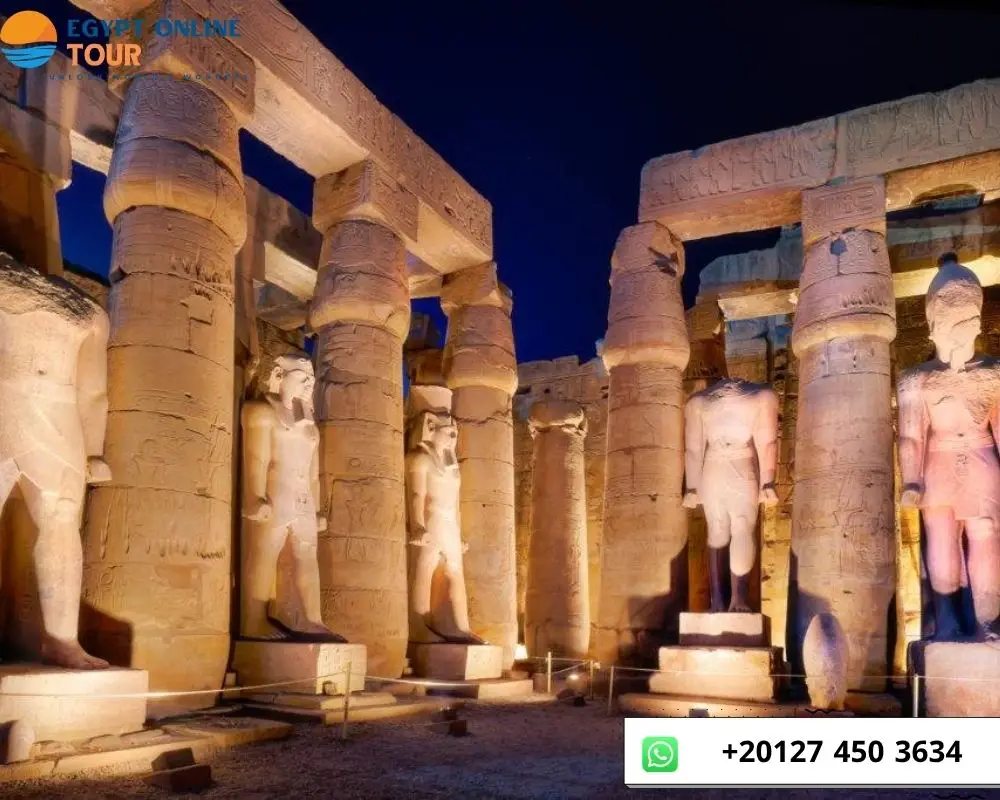
If you want to understand how ancient Egyptians lived their religion in daily life, you must start with the East Bank temples in Luxor, one of the most important stops in Egyptian Mythology Places to Visit in Egypt.
Here, religion was not symbolic only; it was part of daily rituals connected to kingship, festivals, and the worship of Amun-Ra.
Walking through Karnak feels like entering a city built entirely from symbols, where every column and inscription carries meaning connected to divine power and renewal.
Luxor Temple, on the other hand, highlights the ceremonial side, especially the grand processions and festivals that once linked both temples together.
Enjoy with our Tour of the East Bank in Luxor
3. Luxor West Bank tombs and afterlife beliefs
The West Bank of Luxor offers a completely different experience because it focuses on death, rebirth, and the journey to the afterlife, making it one of the deepest parts of Egyptian Mythology Places to Visit in Egypt.
Everything here revolves around one central question: how did the ancient Egyptians prepare for eternity?
- In the Valley of the Kings: tombs are not just burial places but carefully designed maps guiding the soul through the afterlife.
- Hatshepsut Temple and Deir el-Medina: complete the picture from two perspectives: royal ambition on one side, and the daily lives of the workers who built these sacred sites on the other.
What makes this area powerful is that it transforms death from an ending into a full spiritual journey carved into stone.
Look at our: Luxor West Bank Tour
4. Aswan, Philae and Abu Simbel
Aswan presents a different layer of ancient Egyptian mythology because it connects gods directly with nature, especially the Nile, making it a key part of Egyptian Mythology Places to Visit in Egypt.
- In Philae, the story revolves around Isis and themes of love, protection, and rebirth. Kom Ombo reflects duality, showing both healing and danger through Sobek and Horus.
- Abu Simbel, however, represents something even more powerful: the transformation of the pharaoh into a divine figure carved into the mountain itself.
Aswan special is special because the mythology here is not only written on walls, but also embedded in the landscape—the river, the rocks, and even the light.
5. Nile Cruise route for mythology sites
A Nile Cruise between Luxor and Aswan is the most immersive way to experience Egyptian Mythology Places to Visit in Egypt as one continuous journey instead of separate destinations.
Instead of moving quickly between sites, the cruise follows the same natural route that once shaped ancient Egyptian civilization along the Nile.
Each day becomes a new chapter of the story, combining temples, rituals, and river landscapes into a living narrative of history and mythology.
An 8 Days Luxury Cairo & Nile Cruise experience is one of the most complete ways to explore Egypt, combining Cairo’s historical depth with a Nile Cruise between Luxor and Aswan in a single seamless journey.
Egyptian Mythology Sites in Luxor
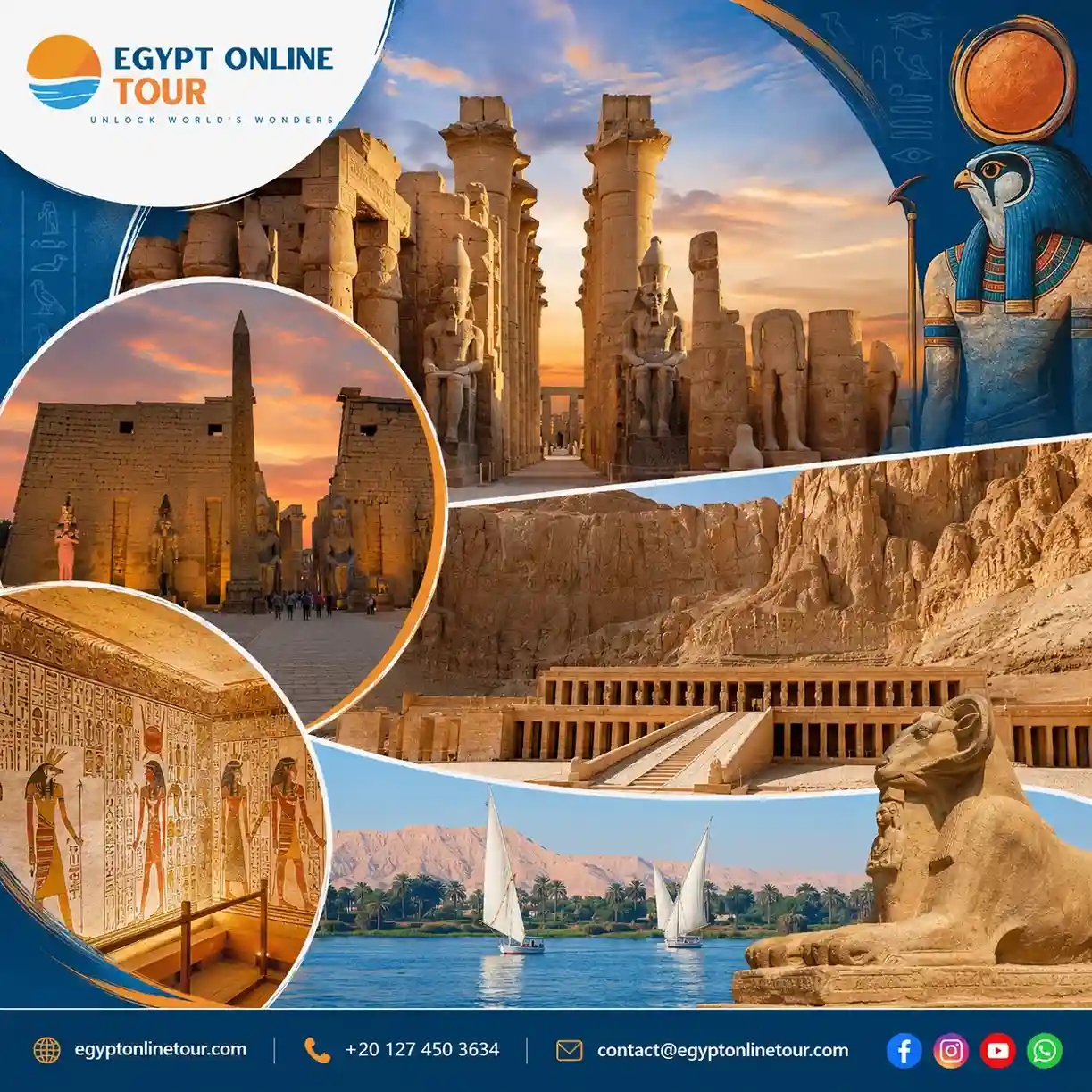
Luxor is the most important city for experiencing Ancient Egyptian mythology in real life because it combines major temples and royal tombs in one place.
Here, visitors can clearly understand the connection between gods such as Amun-Ra and Horus and the concept of the afterlife through real archaeological sites.
1. Karnak Temple
Karnak Temple is the largest religious complex dedicated to Amun-Ra and one of the most important Egyptian Mythology Places to Visit in Egypt.
The site represents a massive sacred city that developed over thousands of years, with each addition reflecting a king or deity.
What makes the visit special?
Walking through Karnak feels like entering a living ancient ritual space, where every column tells part of a divine story.
2. Luxor Temple
Luxor Temple was primarily used for the coronation and renewal rituals of pharaohs, making it an essential stop in any Egyptian Mythology Places to Visit in Egypt journey.
The temple reflects the idea that kings did not rule alone but derived their authority directly from the gods.
Inside, you will see massive statues of pharaohs such as Ramses II, along with ceremonial pathways that once witnessed coronation rituals and religious celebrations.
The temple was connected to Karnak through an ancient ceremonial road used during religious festivals.
3. Valley of the Kings
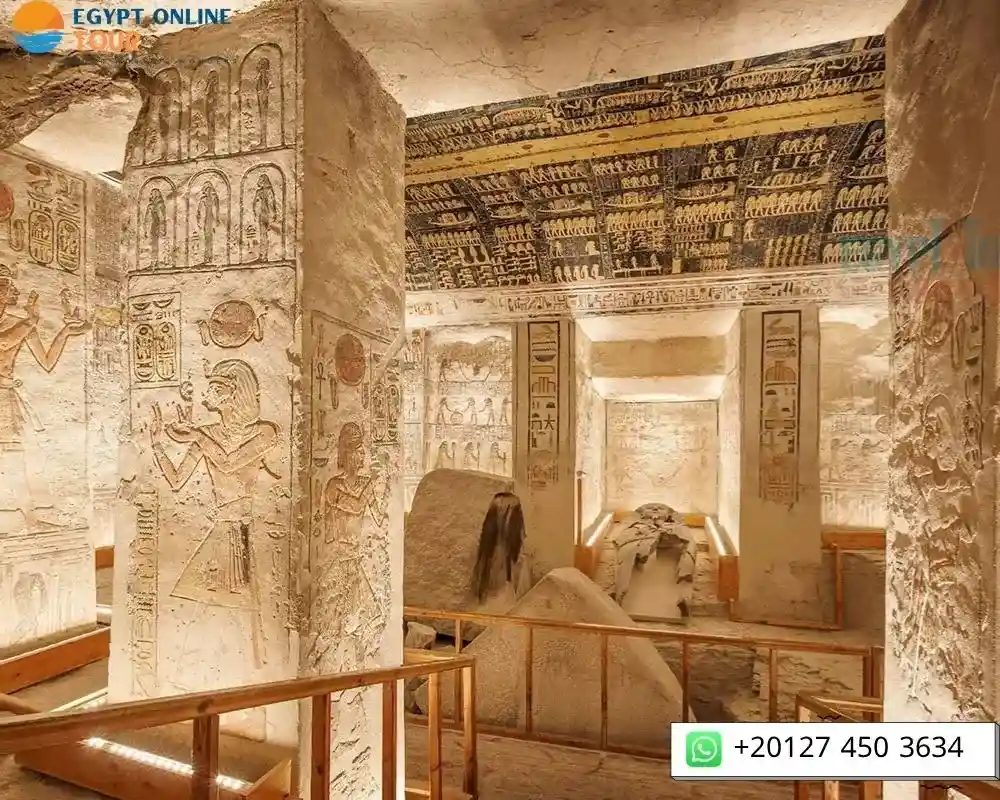
The Valley of the Kings is the main site for understanding Ancient Egyptian beliefs about the afterlife and is one of the most important Egyptian Mythology Places to Visit in Egypt.
Tombs here were designed to ensure the safe journey of the king into the afterlife.
Each tomb is not just a burial place but a spiritual map guiding the soul into eternity.
4. Hatshepsut Temple (Deir el-Bahari)
Hatshepsut Temple is a mortuary temple that expresses the power of the queen and her divine connection to the gods, making it one of the most significant Egyptian Mythology Places to Visit in Egypt.
It is not just an archaeological site, but a statement that power in Ancient Egypt could also be deeply connected to femininity and divinity.
The temple is built in terraced levels carved into the cliff, making it completely different from any other temple in Luxor. Its inscriptions depict religious expeditions and symbolic scenes showing the queen’s relationship with the god Amun.
The best time to visit is in the morning, when the sunlight highlights the structure and its architectural beauty in a striking way.
Learn about: What did Hatshepsut do
5. Dendera Temple day trip from Luxor
Dendera is an easy day trip from Luxor and an important stop among Egyptian Mythology Places to Visit in Egypt due to its connection with Hathor and astronomical symbolism.
The temple is famous for its astronomical ceiling and ritual scenes.
Organized visit details
Egyptian Mythology Sites in Aswan
Aswan offers a calmer and more spiritual dimension of Ancient Egyptian mythology because it is closely connected to the Nile, islands, and natural rock formations.
Here, mythology feels less like architecture and more like part of the landscape itself.
Philae Temple
Philae Temple is the main center of worship for the goddess Isis and one of the most important Egyptian Mythology Places to Visit in Egypt in southern Egypt.
The temple reflects the myth of Isis and Osiris, especially themes of love, loss, and rebirth.
You reach the temple by boat, which makes the experience unique from the very beginning as you arrive on an island in the middle of the Nile. The temple’s inscriptions visually narrate the story in a clear and accessible way, even for non-specialists.
The best time to visit is during sunrise or sunset, when the reflection of light on the water creates a truly magical atmosphere.
Kom Ombo Temple
Kom Ombo Temple was built in honor of both Sobek and Horus, which gives it a rare dual dedication and makes it one of the most distinctive Egyptian Mythology Places to Visit in Egypt.
It represents the concept of balance between strength and protection in Ancient Egyptian belief.
Kom Ombo’s unique layout reflects its dedication to two gods, with inscriptions and scenes showing each side of the temple. The nearby Crocodile Museum also explains Sobek’s link to the Nile and ancient Egyptian life.
The best experience here is during a Nile cruise or while traveling between Aswan and Luxor.
Abu Simbel Temples
Abu Simbel is one of the greatest rock-cut temples in Egypt and represents the peak of royal grandeur within Egyptian Mythology Places to Visit in Egypt.
The temples reflect the divine relationship between Pharaoh Ramses II, the gods, and royal authority.
Abu Simbel is one of Egypt’s most impressive temples, carved into the rock and guarded by massive statues. Its famous solar alignment makes the visit even more special, as sunlight reaches deep inside the temple on specific days.
Visiting requires an organized trip from Aswan, but it is one of the most powerful travel experiences in Egypt.
Nubian Mythology and Southern Egypt
Nubian mythology in southern Egypt adds a cultural and human dimension to understanding Ancient Egyptian belief systems within Egyptian Mythology Places to Visit in Egypt.
Unlike many famous temple sites, the mythology here is reflected through the Nile, local traditions, and the natural environment that shaped life in southern Egypt.
You will find rich visual culture in Nubian villages, including colorful houses and symbolic decorations that represent protection and blessing.
Local stories also reflect a spiritual relationship between people and the river in a simple and meaningful way.
Egyptian Mythology Sites Near Cairo
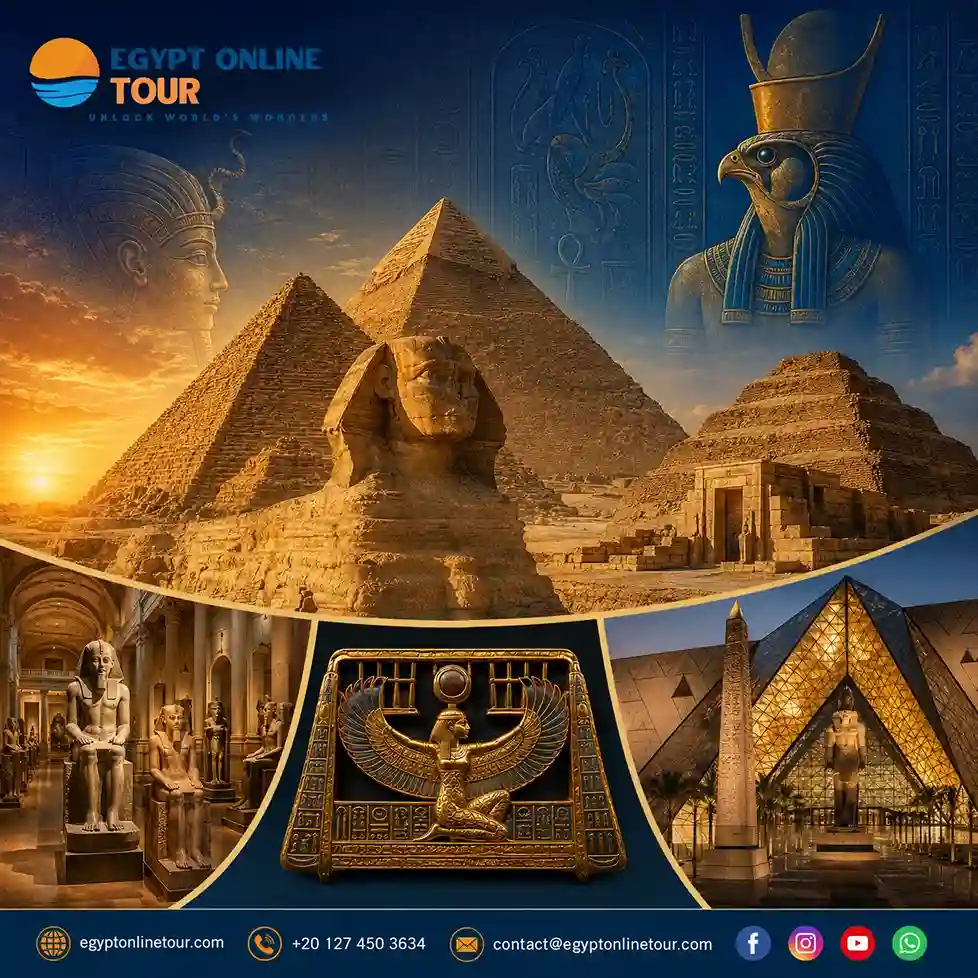
If you want to explore sites connected to Ancient Egyptian mythology without traveling far from Cairo, several locations offer a clear understanding of beliefs surrounding the afterlife, resurrection, and the relationship between kings and the gods.
These places are not just famous landmarks; they reveal the ideas that shaped ancient Egyptian civilization.
What makes the Cairo and Giza area unique is that it combines royal burial sites with museums that preserve texts, statues, and funerary artifacts within a relatively small region.
1. Giza Pyramids and the Afterlife
If you are looking for the most famous site that explains Ancient Egyptian beliefs about life after death, the Giza Pyramids are the answer.
The entire complex was designed around the idea of helping the pharaoh transition into the afterlife and continue his existence beyond death.
The pyramids were not built simply as royal tombs. They formed part of a complete religious complex that included funerary temples, ceremonial pathways, and sacred rituals associated with the soul’s journey to eternity.
During your visit, you can explore:
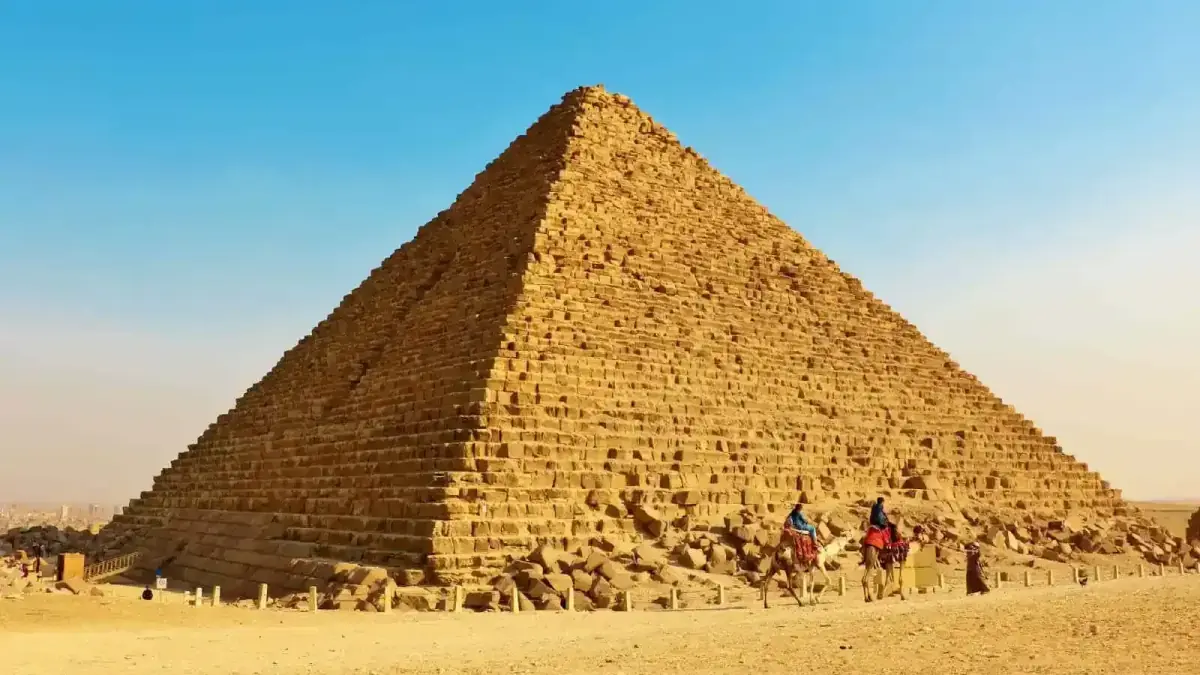
- The Pyramids of Khufu, Khafre, and Menkaure.
- The iconic Great Sphinx.
- The remains of the funerary temples surrounding the pyramids.
- Selected royal and noble tombs that are open to visitors.
What makes the experience special?
Do not look at the pyramids only as engineering wonders. They were also part of ancient Egypt’s belief in the afterlife, where resurrection and eternity gave the whole Giza site a powerful spiritual meaning.
2. Saqqara and Ancient Burial Beliefs
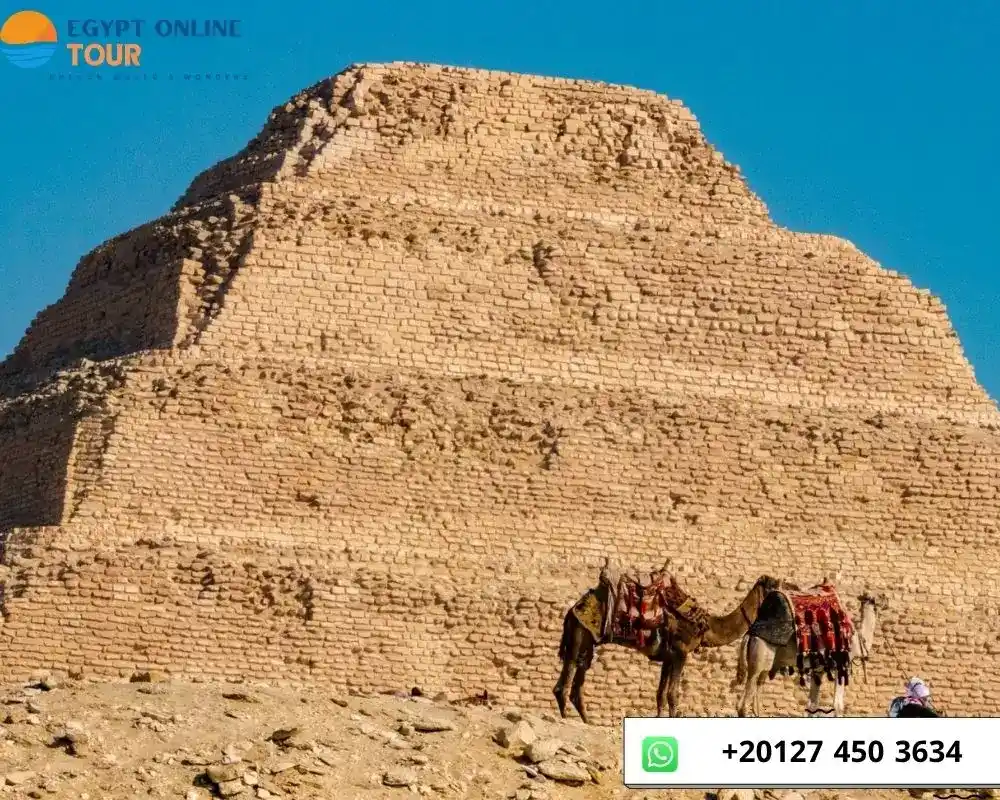
If you want to understand how Egyptian burial traditions evolved before the construction of the Giza Pyramids, Saqqara provides the clearest picture. The site showcases the early stages of the funerary beliefs that developed over centuries.
Saqqara's significance extends far beyond the Step Pyramid of Djoser. The decorated tombs throughout the necropolis reveal how ancient Egyptians prepared for the afterlife and what they expected to encounter there.
Highlights of the site include:
- The Step Pyramid of Djoser.
- Beautifully decorated tombs with colorful scenes.
- Ancient royal burial complexes.
- Artifacts and tools associated with mummification and funerary rituals.
As you walk through the tombs, you will notice that many scenes focus more on life than death. Ancient Egyptians believed that life would continue in another realm, so they filled tomb walls with images of farming, feasting, hunting, and daily activities.
3. Egyptian Museum Mythology Collections
If you would like to see representations of Ancient Egyptian gods and the symbols associated with them through authentic artifacts, the Egyptian Museum in Cairo is one of the best places to visit.
Many of the mythological figures you read about appear here in the form of statues, inscriptions, coffins, and sacred objects.
Instead of learning about the gods only through books, you can examine the actual items used in religious ceremonies and funerary rituals.
Some of the most interesting collections for mythology enthusiasts include:
Visiting the museum before traveling to Luxor or Aswan will help you better understand the symbols and stories depicted in temples and tombs throughout Egypt.
4. Grand Egyptian Museum Highlights
If you are looking for a modern and immersive way to understand Egyptian history and mythology, the Grand Egyptian Museum offers exactly that. Rather than displaying artifacts individually, the museum presents them within a broader historical and cultural narrative.
One of the most impressive aspects of the museum is how it connects royal, religious, and funerary artifacts to explain the development of ancient Egyptian beliefs across different periods.
Reasons to include the museum in your itinerary:
- View massive collections in one location.
- Learn how Egyptian religious beliefs evolved over time.
- Explore the treasures of Tutankhamun in greater depth.
- Gain valuable context before visiting temples and archaeological sites.
For many travelers, the museum serves as the perfect introduction before heading south to Luxor and Aswan.
Can You Visit Egyptian Mythology Sites on a Nile Cruise?
Yes, a Nile cruise between Luxor and Aswan gives travelers access to many of Egypt’s most significant mythology-related landmarks in a single journey. .
In fact, a Nile cruise is often considered one of the easiest and most enjoyable ways to explore multiple mythology-related sites without constantly changing transportation.
What makes the experience especially rewarding is that the temples appear along the river in a sequence that helps visitors understand the connection between the Nile, the gods, and religious traditions.
Luxor to Aswan Nile Cruise Mythology Route
If you are wondering about the best route for exploring mythology sites along the Nile, the journey between Luxor and Aswan is the most complete option. This route includes several of Egypt’s most significant temples associated with Ancient Egyptian gods.
A typical itinerary includes the following stops:
The greatest advantage of this route is that each stop adds another chapter to the story, creating a connected experience rather than a series of unrelated visits.
Temples Included in Most Nile Cruise Itineraries
If you are planning a Nile cruise, you may wonder which temples are usually included. While itineraries vary between cruise companies, several sites appear in most programs.
The most commonly included temples are:
- Karnak Temple
- Luxor Temple
- Edfu Temple
- Kom Ombo Temple
- Philae Temple
Some extended itineraries also include:
- Abu Simbel Temples
- Additional sites in Luxor or Aswan
Together, these locations provide visitors with a comprehensive introduction to the major gods, sacred traditions, and mythology of ancient Egypt.
Best Nile Cruise Tours for Mythology Lovers

If your main interest is Ancient Egyptian mythology, not all Nile cruises offer the same experience. Some focus primarily on relaxation, while others place greater emphasis on history, culture, and archaeology.
When choosing a mythology-focused cruise, look for:
- A professional Egyptologist guide.
- Stops at Edfu, Kom Ombo, and Philae.
- Sufficient time to explore each temple.
- Onboard lectures about Egyptian history and mythology.
- Optional excursions to Abu Simbel.
Why do mythology enthusiasts prefer Nile cruises?
Because they combine three key experiences in a single journey:
- Visiting Egypt’s most important mythological temples.
- Traveling along the Nile, which played a central role in ancient Egyptian religious life.
- Exploring sites in a logical sequence that makes myths and beliefs easier to understand.
For these reasons, many travelers consider a Nile Cruise Egypt experience the most rewarding way to discover a large part of Ancient Egyptian mythology during one trip.
Tips for Visiting Egyptian Mythology Sites
The best way to truly enjoy Egyptian Mythology Places to Visit in Egypt is to plan your trip carefully before starting and decide how much time to spend at each site instead of moving randomly between locations. Good organization is what turns a simple visit into a meaningful experience.
These archaeological sites are not just tourist attractions; they are places filled with symbols and stories connected to ancient gods and beliefs, which require time and calm exploration to understand properly.
It is always better to follow a clear schedule and choose less crowded and cooler times of the day, which is why early morning or late afternoon visits make a big difference.
Why you need an Egyptologist guide
Having an Egyptologist guide is essential if you want to understand the real meaning behind temples and tombs, because it transforms your visit from simple sightseeing into a full educational experience.
Without a guide, you will see inscriptions and statues, but you will likely miss their connection to gods, myths, and the purpose behind each structure.
A guide helps you connect everything you see with Ancient Egyptian mythology, which makes the experience much deeper and more meaningful.
One of the biggest advantages is that the guide saves you time and takes you directly to the most important points instead of getting lost in unnecessary details.
Key things an Egyptologist explains during the tour:
- The meaning of temple inscriptions and symbols.
- Stories of the gods connected to each site.
- Interpretation of afterlife and burial scenes.
- Historical context of each monument.
- Details that are not obvious to regular visitors.
Best time to visit temples and tombs
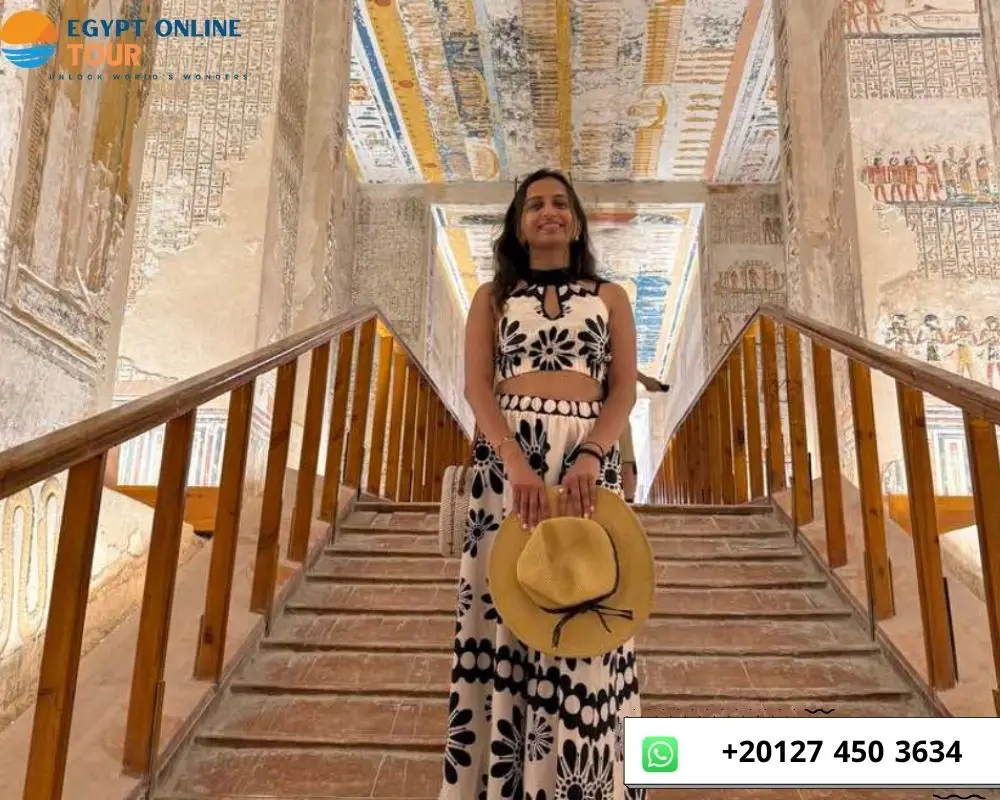
The Best Months to Visit Egypt are generally from October to April, when the weather is cooler and more comfortable for exploring outdoor attractions like temples and tombs.
Choosing the right timing significantly improves your experience of Ancient Egyptian temples, especially since many sites are open and exposed to the sun, and crowds can reduce the enjoyment.
During summer, early morning visits are strongly recommended, while in winter you can comfortably visit throughout the day.
At some sites like Luxor Temple, nighttime visits offer a completely different experience thanks to dramatic lighting that highlights the stone details.
What to wear when visiting temples
The What to Pack For A Nile Cruise should focus on comfort, practicality, and preparation for Egypt’s weather conditions, since you will be visiting temples, tombs, and spending long hours both on the boat and during daily excursions.
Wearing appropriate clothing is also important to respect local culture while visiting Egyptian mythology sites.
Recommended clothing includes:
- Lightweight cotton clothes
- Long pants or long skirts
- Comfortable walking shoes
- Hat or cap
- Sunglasses
- Sunscreen
It is also important to carry enough water, since some sites are far from easy access to services.
Inside tombs, temperatures can feel cooler, so bringing a light jacket can be very useful.
How much time to spend at each site
The ideal time to spend at each site depends on its size and level of detail, but most locations require between 1 to 3 hours on average.
Good time planning is essential to fully enjoy Egyptian Mythology Places to Visit in Egypt without rushing or feeling exhausted.
It is best to combine one major site with a smaller one in the same day to avoid exhaustion and maintain enjoyment.
Best Egypt Tours for Mythology Lovers
The best tours for lovers of Egyptian mythology are those that include expert Egyptologist guides and combine major temples into well-structured itineraries, turning the trip into a real storytelling experience rather than just sightseeing.
Most Egypt mythology tours cover Cairo, Luxor, and Aswan in a balanced way or rely on Nile cruises for a smoother journey between sites.
Luxor mythology tours
Luxor tours are considered the most powerful experience for mythology lovers because they include the highest concentration of temples linked to Ancient Egyptian gods in one area.
Typical tours include:
- Karnak Temple
- Luxor Temple
- Valley of the Kings
- Hatshepsut Temple
Some programs also add Dendera Temple or Deir el-Medina for deeper historical insight.
The key value here is seeing how gods like Amun, Horus, and Anubis appear across different sites in a living historical context.
Aswan temple tours
Aswan tours focus on the southern side of Egypt, which is strongly connected to Nile mythology, Nubian culture, and the stories of Isis and Sobek.
This is why a Luxor and Aswan Nile Cruise is considered one of the most immersive ways to explore this region, as it connects both cities through a continuous journey along the Nile.
The most popular sites include:
- Philae Temple
- Kom Ombo Temple
- Abu Simbel Temples
A major highlight of these tours is that transportation itself becomes part of the experience, especially when reaching island temples by boat.
Nile Cruise mythology itinerary
A Nile cruise is one of the best ways to explore Egyptian Mythology Places to Visit in Egypt because it combines comfort with a structured journey between major temples.
The typical route includes:
The advantage is that you travel between sites without the stress of long land transportation.
Cairo, Luxor and Aswan classic tour
The classic Cairo–Luxor–Aswan tour offers a complete picture of Ancient Egyptian mythology, from burial beliefs to temple rituals and Nile-based mythology.
In Cairo, you learn about the concept of the afterlife through pyramids and museums. In Luxor, you explore temples and royal tombs. In Aswan, you experience the mythology of the Nile, Isis, and southern Egypt.
This itinerary usually requires 7 to 10 days for a comfortable and well-paced experience.
Plan Your Egyptian Mythology Tour in Egypt
Understanding How to Plan a Trip to Cairo Egypt properly will help you build a smooth itinerary that connects Cairo with the wider journey of exploring Egyptian Mythology Places to Visit in Egypt, especially when you plan to continue toward Luxor and Aswan.
A simple planning model:
It is always recommended to start in Cairo with museums to understand the background before moving south to Luxor and Aswan.
In the end, the clearer your plan is, the deeper and more meaningful your experience becomes, turning your trip into a real journey through Ancient Egyptian mythology rather than just a sightseeing tour.
Step Into the World of Ancient Myths with Egypt Tour Online
Egyptian mythology sites become more meaningful when temples, tombs, and monuments are explored as parts of one connected story.
Instead of visiting sites separately, you begin to understand how each location reflects the beliefs, gods, and rituals of Ancient Egypt in a connected and unforgettable way.
With Egypt Tour Online, this experience is designed to be smooth, well-organized, and deeply informative from the very first step of your trip.
What Makes Egypt Tour Online Different
- Fully organized tours covering the top Egyptian mythology sites without confusion or wasted time.
- Expert Egyptologist guides who explain ancient myths in a simple and engaging way.
- Fully customizable programs based on your interests: temples, tombs, or Nile cruises.
- Professional coordination of transfers between Cairo, Luxor, and Aswan to save time and effort.
- Tours focused on real understanding of Ancient Egyptian mythology, not just sightseeing.
- Continuous support throughout your journey for a smooth travel experience.
Plan your unforgettable mythology journey in Egypt today with Egypt Tour Online.