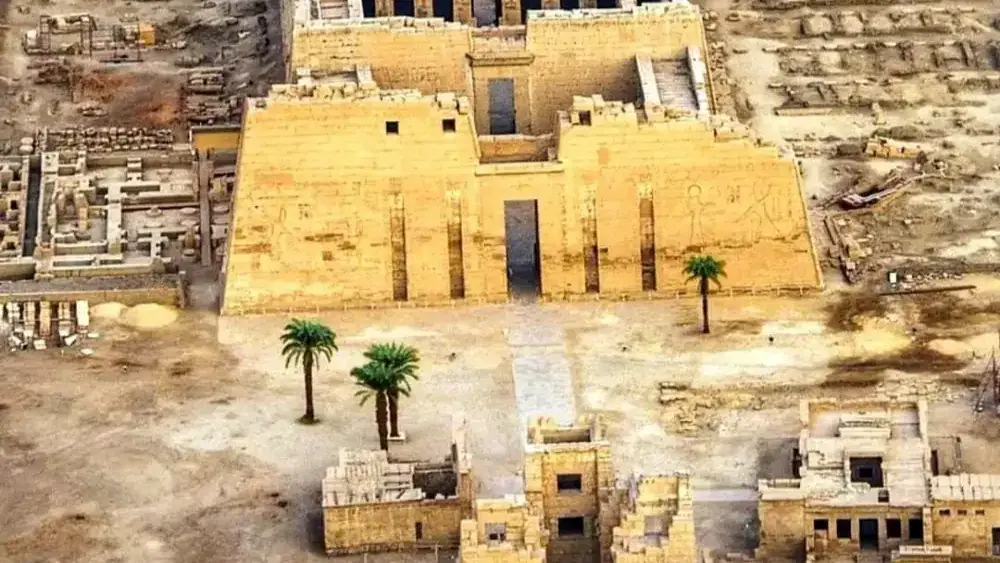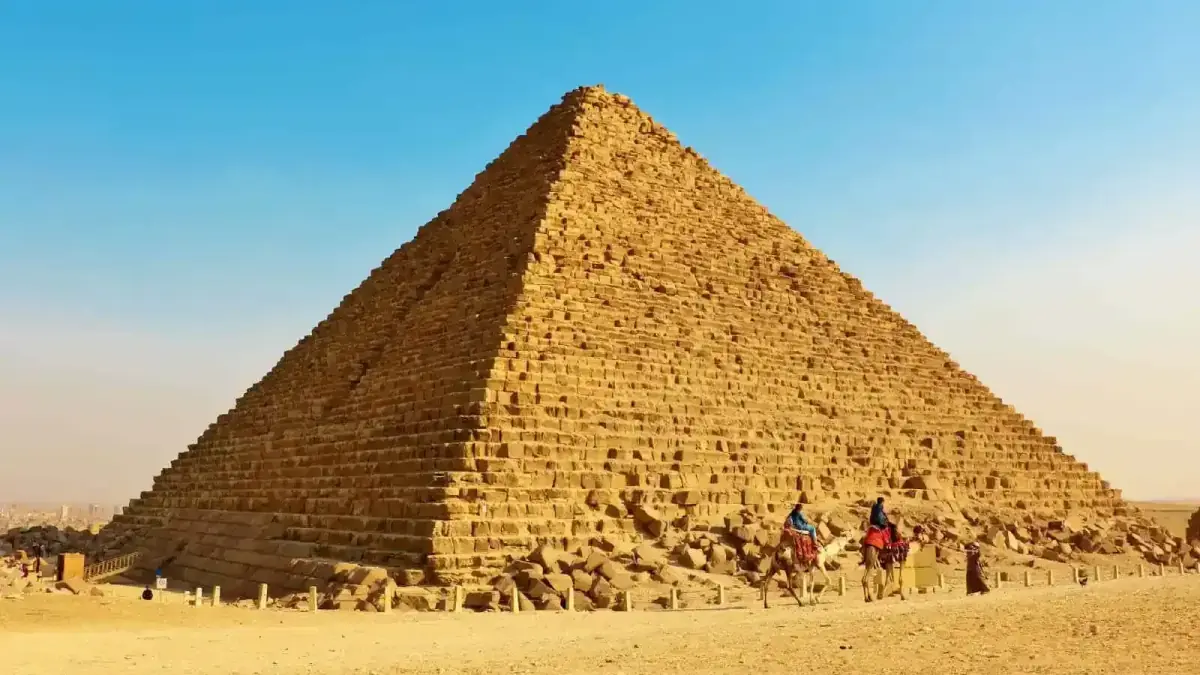
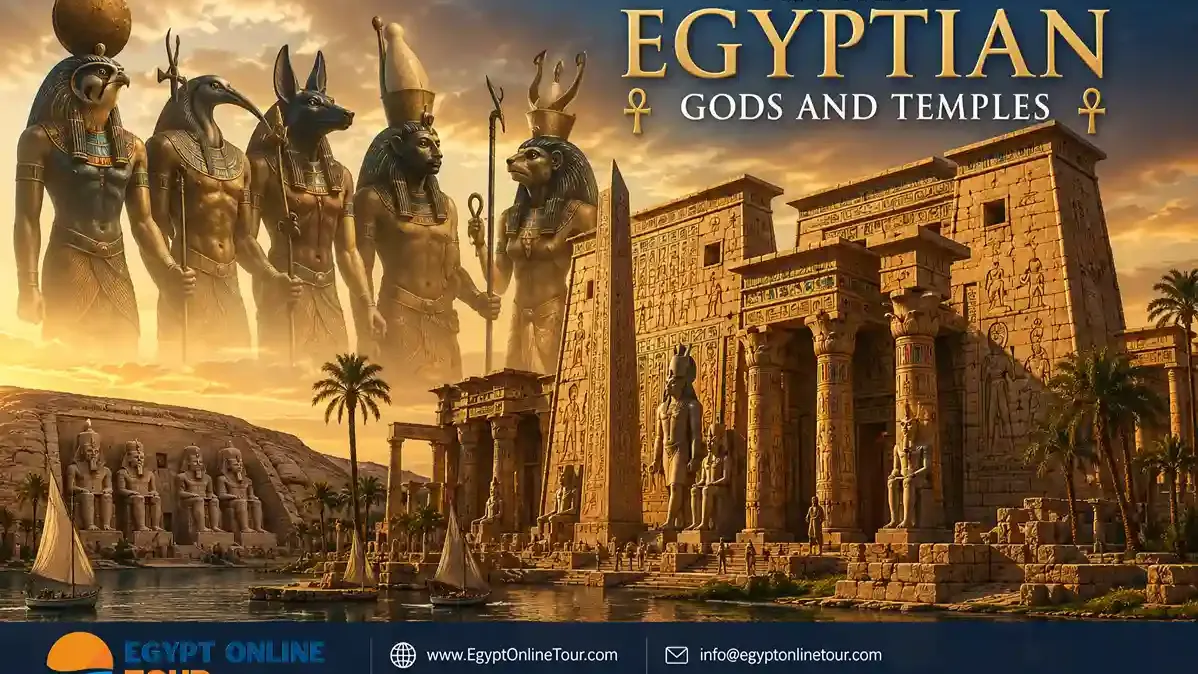
Ancient Egyptian temples are among the most fascinating places to explore in Egypt. More than religious sites, they reveal how ancient Egyptians understood the world, honored their gods, and connected spiritual beliefs with everyday life. From detailed wall carvings and massive columns to colorful festivals and sacred ceremonies, these temples tell stories that have survived for thousands of years.
Visiting or learning about Ancient Egyptian Gods and Temples offers a deeper understanding of one of history’s most remarkable civilizations. Continue reading to discover the gods, myths, and legendary temples that continue to inspire visitors from around the world.
Ancient Egyptian Gods and Temples in Egypt
Ancient Egyptians worshipped many gods and goddesses, believing that they controlled natural forces and different aspects of life. To maintain maat, the divine order, people performed rituals and offered gifts to their deities. After the Egyptian state was established around 3000 BCE, the pharaoh became responsible for overseeing these religious practices and acting as the representative of the gods.
Temples were among the most important places in Ancient Egypt. They were dedicated to one or more deities and were believed to be the homes of the gods. Inside the sanctuary, cult statues represented the divine presence, while priests carried out daily rituals that included food offerings, beverages, and the burning of incense. Below are some of the most famous examples.
Amun-Ra and Karnak Temple
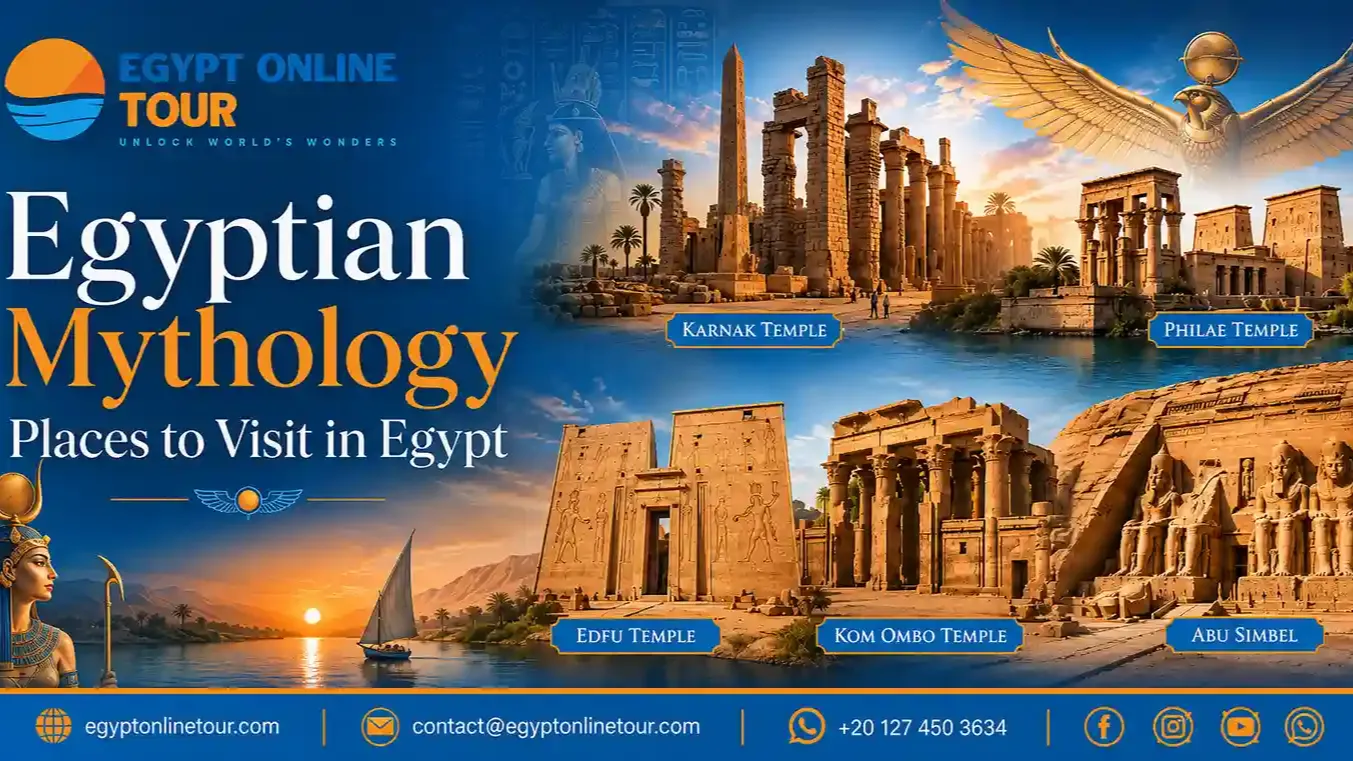
Karnak Temple is located on the east bank of the Nile in Luxor and was dedicated to the gods rather than being a place of living. It was mainly associated with Amun-Ra, along with Mut and Khonsu. The temple began in the Middle Kingdom and expanded significantly during the New Kingdom under rulers like Thutmose III, Hatshepsut, Seti I, and Ramses II.
Over time, it became one of the largest temple complexes in Egypt, filled with pylons, obelisks, and shrines, and was used for major festivals such as the Opet Festival, where sacred boats traveled to Luxor Temple. Today, the Karnak Temple Sound and Light Show brings its history to life through lights, narration, and sound effects.
Isis and Philae Temple
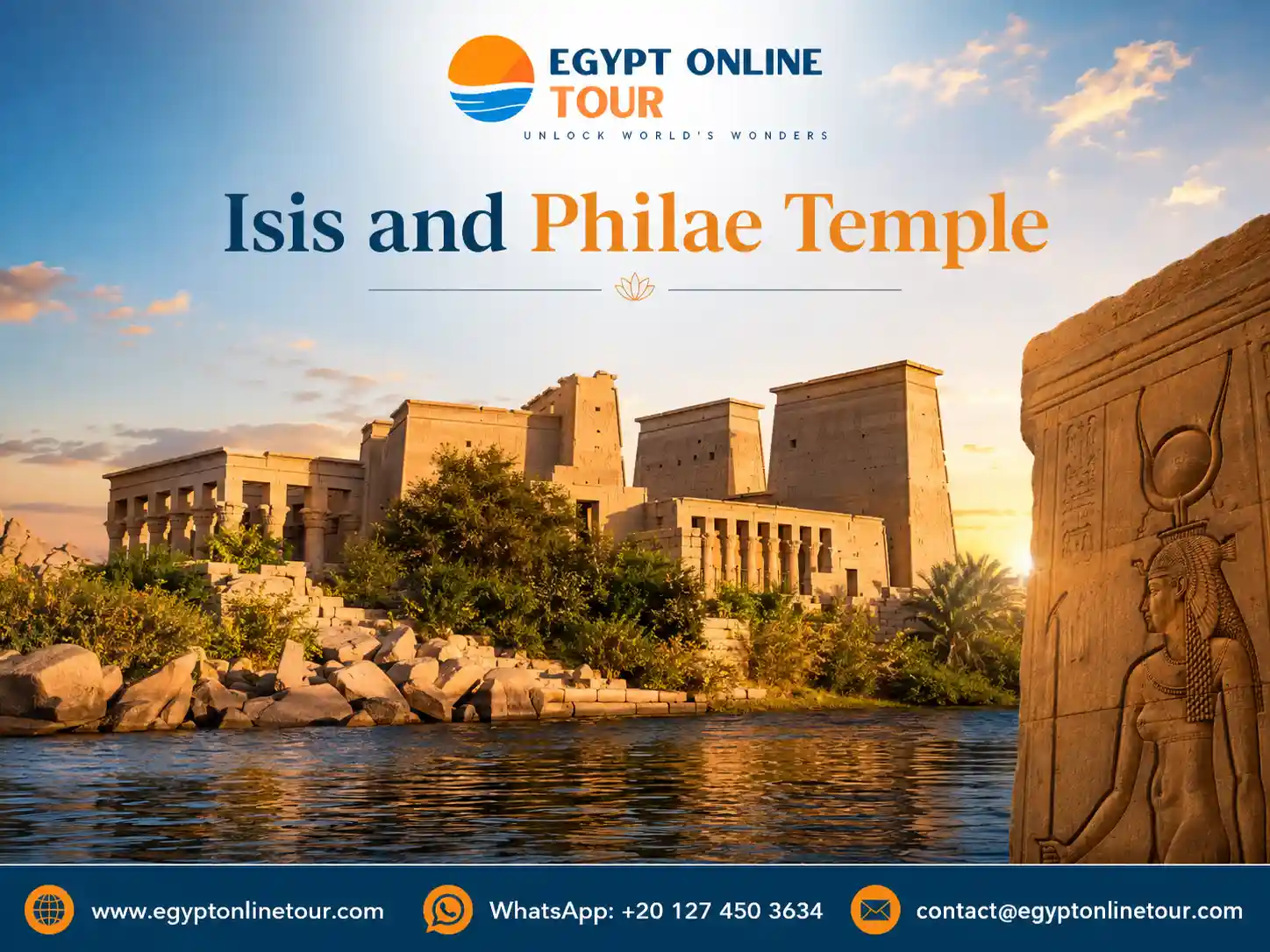
Dedicated to Isis, Philae Temple stands on a peaceful island in southern Egypt and was once considered one of the country's most sacred religious sites. Built during the reign of Ptolemy II and later completed by Roman emperors, it reflects a unique blend of Egyptian and Roman influence.
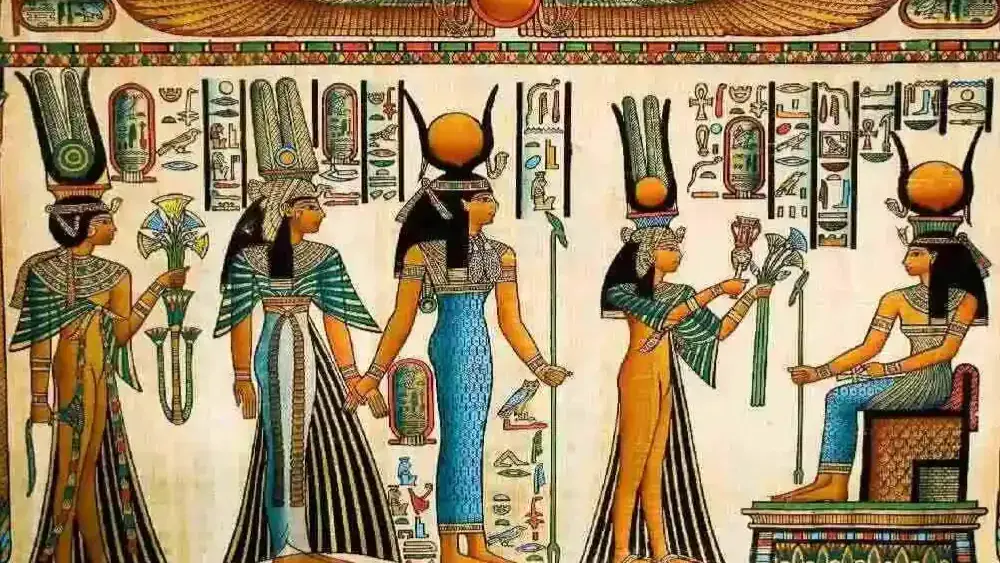
Isis, wife of Osiris and mother of Horus, is known for her loyalty, wisdom, and magical powers. Her story of bringing Osiris back to life and protecting Horus made her a symbol of protection, healing, and life, and her worship later spread beyond Egypt.
As you walk through the temple, the walls bring these myths to life through detailed scenes. For a complete Aswan experience, the Philae Temple, High Dam and Obelisk Private Tour lets you explore Egypt’s modern engineering and ancient craftsmanship in one journey.
Horus and Edfu Temple
Standing between Luxor and Aswan, Edfu Temple is one of the best-preserved temples in Egypt. Dedicated to Horus of Behdet, the falcon-headed god and lord of Edfu, it is famous for its remarkable state of preservation and nearly complete structure.
Construction started under Ptolemy III in 237 BCE and continued for about 180 years until it was finished under Ptolemy XII in 57 BCE. Different rulers contributed to its building, including courtyards, pylons, and enclosure walls.
Horus represented divine kingship and the struggle between order and chaos in his battle with Set. These beliefs appear in carved scenes inside the temple.
The temple was buried under desert sand for centuries until it was uncovered in the 19th century by Auguste Mariette. Today, it remains one of Egypt's most complete ancient temples.
Sobek and Kom Ombo Temple
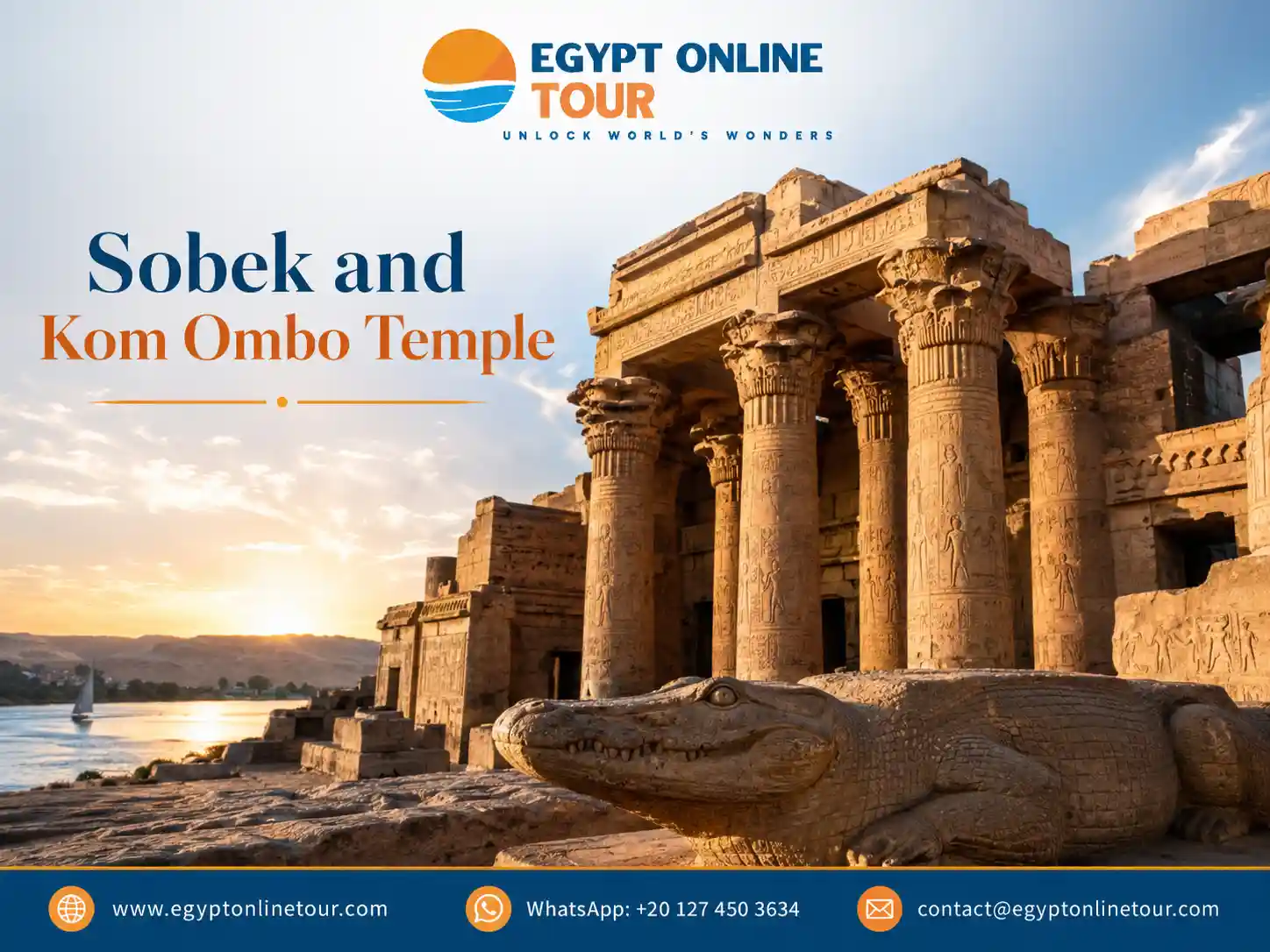
Kom Ombo Temple is a unique double temple located about 48 km north of Aswan, built during the Graeco-Roman period and dedicated to Sobek and Horus.
It has two symmetrical sides, each with its own halls and entrances—one for Sobek, the crocodile god linked to protection and the Nile, and the other for Horus, the falcon god of kingship and order.
This creates a rare sense of balance and makes the temple stand out along the Nile.
Sobek was connected to crocodiles, which were both feared and seen as sacred protectors in ancient Egypt.
For a complete journey through Cairo, Luxor, and Aswan, the 11 Days Cairo and Luxury Oberoi Zahra Nile Cruise offers an unforgettable blend of temples, history, and Nile luxury.
Osiris and Abydos Temple
Abydos Temple is one of the most sacred sites in ancient Egypt, located about 11 km west of the Nile and strongly linked to Osiris, the god of death and resurrection.
Built during the reign of Seti I, it served as a funerary complex and a major place for rituals connected to death, rebirth, and royal power.
Abydos was used as a royal cemetery for the 1st and 2nd dynasties.
It also holds the tomb of Narmer, the founder of the First Dynasty.
The site was first sacred to the jackal-headed god Wepwawet, before Osiris became the main focus.
Hathor and Dendera Temple
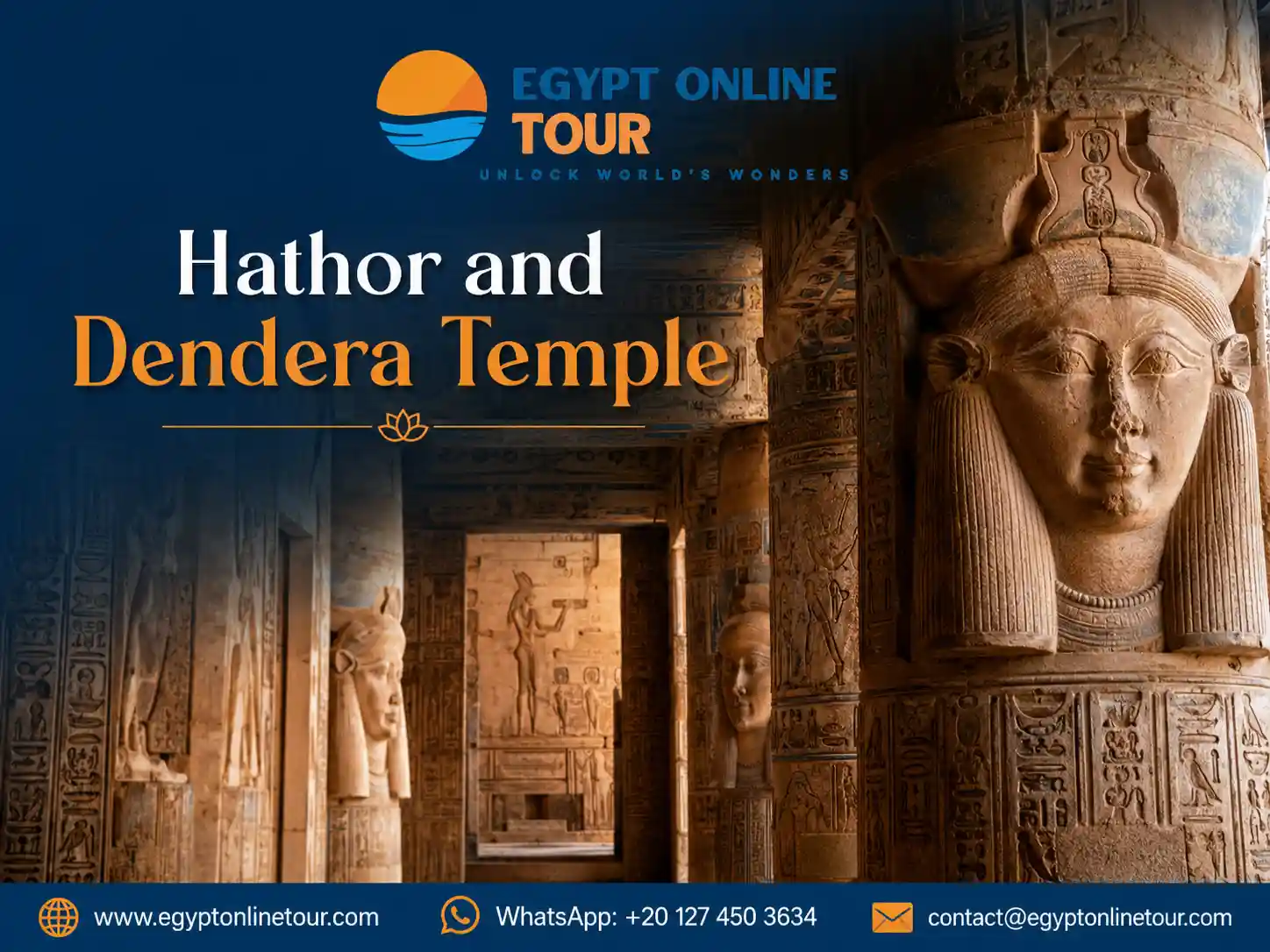
Dendera Temple Complex preserves some of the finest examples of ancient Egyptian architecture and religious art.
Located about 60 km north of Luxor, it was dedicated to Hathor, the goddess of love, beauty, music, and motherhood.
The temple feels like a complete ancient world preserved in every detail, with the Temple of Hathor, decorated columns, ritual scenes, and its famous astronomical ceiling filled with star depictions.
It was a major center of worship and connected Hathor with her family, including Horus and Ihy, while also containing important spaces like the birth house.
For travelers seeking a deeper luxury experience along the Nile, the Oberoi Philae Nile Cruise offers a refined journey between Luxor and Aswan with expert-guided visits, premium comfort, and seamless access to Egypt’s greatest temples.
Ra-Horakhty and Abu Simbel
Abu Simbel is one of the most impressive temple sites in Egypt, carved during the reign of Ramses II between 1279 and 1213 BCE.
It was not only a religious site, but also a symbol of power and divine connection.
The Great Temple was dedicated to Amun-Ra, Ra-Horakhty, and Ptah, and reflects the presence of the king among the gods.
Ra-Horakhty represents Horus of the two horizons, the god of sunrise and sunset.
He is linked with the sun’s journey across the sky and was often shown as a falcon or falcon-headed figure wearing solar symbols.
Next to the Great Temple stands the Small Temple, dedicated to Queen Nefertari and the goddess Hathor.
The site was later rediscovered after being buried under desert sand and remains one of the most powerful examples of ancient Egyptian belief.
Anubis and the Valley of the Kings
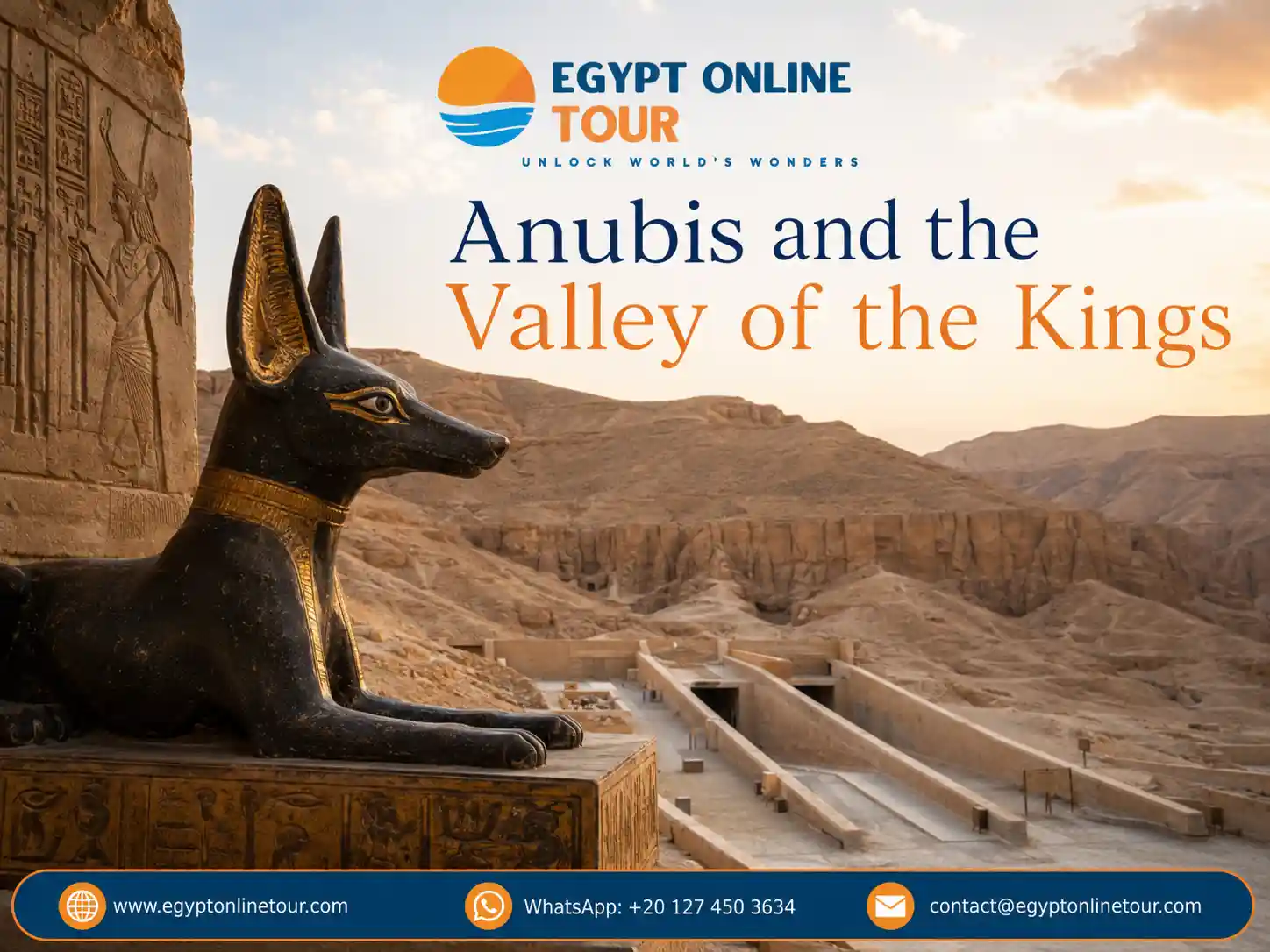
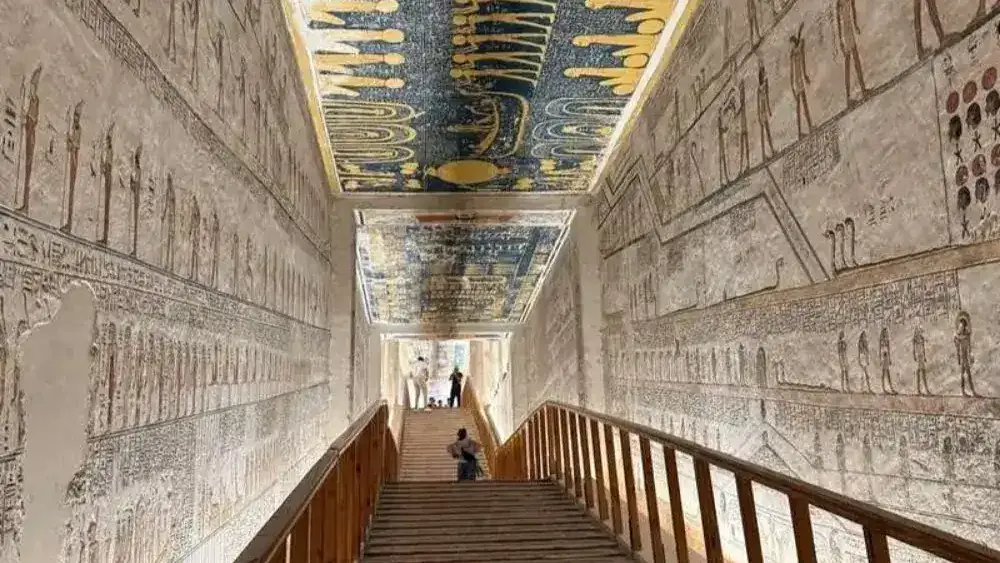
The Valley of the Kings is one of the most famous ancient sites in Egypt, located near modern Luxor on the west bank of the Nile.
It became the royal burial place of New Kingdom rulers because of its isolated location and strong connection to the afterlife.
Today, the valley contains more than sixty tombs and remains one of the most important burial sites in Ancient Egypt.
Visitors can explore ancient burial beliefs and the mysteries of death and rebirth. For a complete experience of Luxor’s highlights, the Luxor Day Tour From Safaga Port offers a journey through temples, royal tombs, and the open-air museum of ancient Egypt.
Aren’t these temples worth visiting to experience a sense of grandeur, wonder, and awe?
Best Egypt Itinerary for Ancient Egyptian Gods and Temples
The best way to explore Ancient Egyptian temples is through a connected route along the Nile. Instead of visiting sites randomly, this itinerary helps you move in a smooth path that links history, mythology, and geography.
Luxor Temples
Luxor is the natural starting point of the journey. It holds some of the most important temples and tombs in Egypt. You can spend 2–3 days here exploring Karnak Temple, Luxor Temple, and the Valley of the Kings. Each site shows how religion and kingship were deeply connected in ancient Egypt. Hot Air Balloon Tour in Luxor gives a clear view of how temples, tombs, and the Nile are all connected in one landscape.
Aswan Temples
Aswan offers a quieter and more peaceful atmosphere. Here you’ll visit Philae Temple, located on an island surrounded by the Nile, along with the Unfinished Obelisk and the High Dam as a modern landmark. The experience in Aswan feels more spiritual and calm, with temples blending into water, rocks, and desert views.
Abu Simbel
Abu Simbel stands as one of Egypt’s most remarkable and powerful monuments. Most travelers visit it from Aswan early in the morning, usually by road or short flight.
When you get there, you’ll feel like you’re standing in front of something completely different from everything else in Egypt. The massive rock-cut statues create a dramatic first impression, making the site feel isolated, powerful, and unforgettable. Sunrise is the best time to visit, when the light highlights the details of the façade and brings the temple to life.
Nile Cruise Route
A Nile cruise lets you experience Ancient Egypt at a slower, more enjoyable pace. As you travel between Luxor and Aswan, you'll visit famous temples like Edfu and Kom Ombo while taking in the beautiful scenery of the Nile.
It’s an unforgettable way to see how ancient Egyptians lived, traveled, and worshipped.
For a comfortable journey, the 5 Days Sonesta St George Nile Cruise offers luxury accommodation, guided temple visits, and spectacular views throughout the trip.
Can You Visit Ancient Egyptian Gods and Temples on a Nile Cruise?
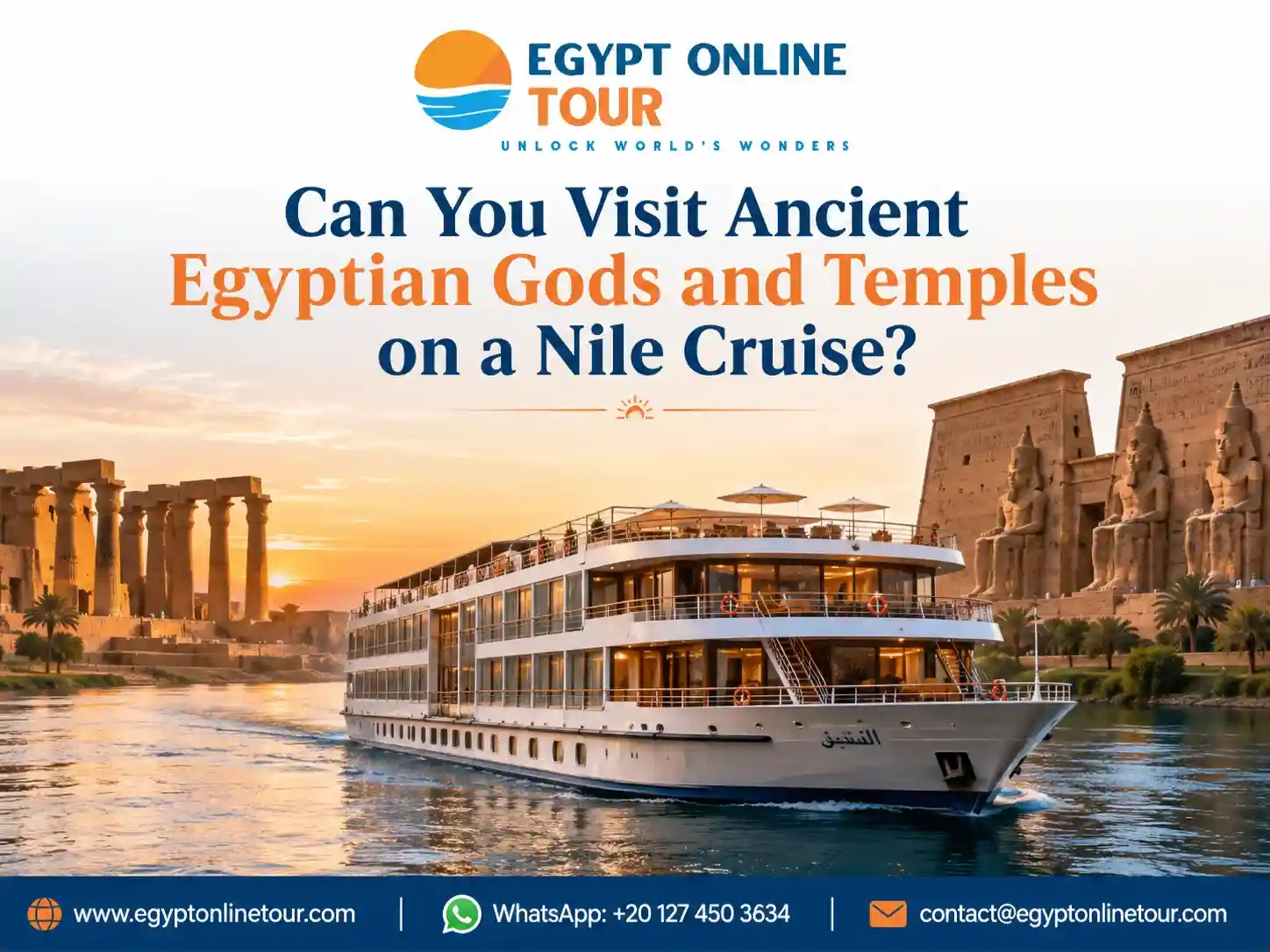
Absolutely. A Nile cruise takes you to some of Egypt's most famous temples, including Edfu, Kom Ombo, and Philae, while sailing between Luxor and Aswan. It’s one of the easiest and most enjoyable ways to experience Ancient Egypt in a single journey.
Tips for Visiting Ancient Egyptian Temples
Planning a trip to explore Egypt’s ancient temples requires some preparation to make the most of the experience. Egypt travel experts recommend several practical tips that can help visitors enjoy Ancient Egyptian Gods and Temples in a more comfortable and meaningful way.
- Hire a licensed Egyptologist guide to fully understand the meaning behind hieroglyphs and temple scenes, as expert explanation transforms the experience completely.
- Allocate enough time for each site, as major temples like Karnak require several hours to explore properly, along with several days planned for Luxor and Aswan.
- Combine a Nile cruise with temple visits to experience Edfu, Kom Ombo, and Philae in a natural geographical route along the river.
- Visit Abu Simbel at sunrise to witness the dramatic lighting on the massive statues, which creates a memorable first impression.
- Bring a flashlight to explore darker inner chambers where many important details are not easily visible.
- Respect local customs and the sacred nature of the temples by dressing modestly and following site rules.
Following these simple tips ensures a smoother journey and a deeper connection with Egypt’s ancient history and culture.
Best time to visit
The best time to visit Egypt’s ancient temples is between October and April, when the weather is more comfortable for sightseeing.
During this period, daytime temperatures are pleasant, making it easier to explore outdoor temple sites.
To avoid heat and crowds, it is better to plan visits early in the morning or later in the afternoon when the atmosphere is calmer and more enjoyable for walking and exploring.
For a different experience after a day full of temples and history, the Dinner Cruise on the Nile in Cairo gives you a relaxing evening on the river with stunning views of the city lights.
Enjoy an open buffet of authentic Egyptian food while watching belly dancing, folklore shows, and Oriental performances that bring Egypt’s culture to life in a fun and unforgettable atmosphere on the Nile.
What to wear
Comfort and respect are both important when visiting ancient religious sites in Egypt, so following the right instructions helps make the experience easier and more enjoyable.
- Wear lightweight, breathable clothing suitable for hot weather.
- Choose comfortable walking shoes for uneven surfaces.
- Use sun protection such as hats, sunglasses, and sunscreen.
- Dress modestly to respect the cultural and sacred nature of the sites.
These simple choices make the visit more comfortable while also showing respect for local traditions and the sacred nature of the temples.
Why visit with an Egyptologist guide
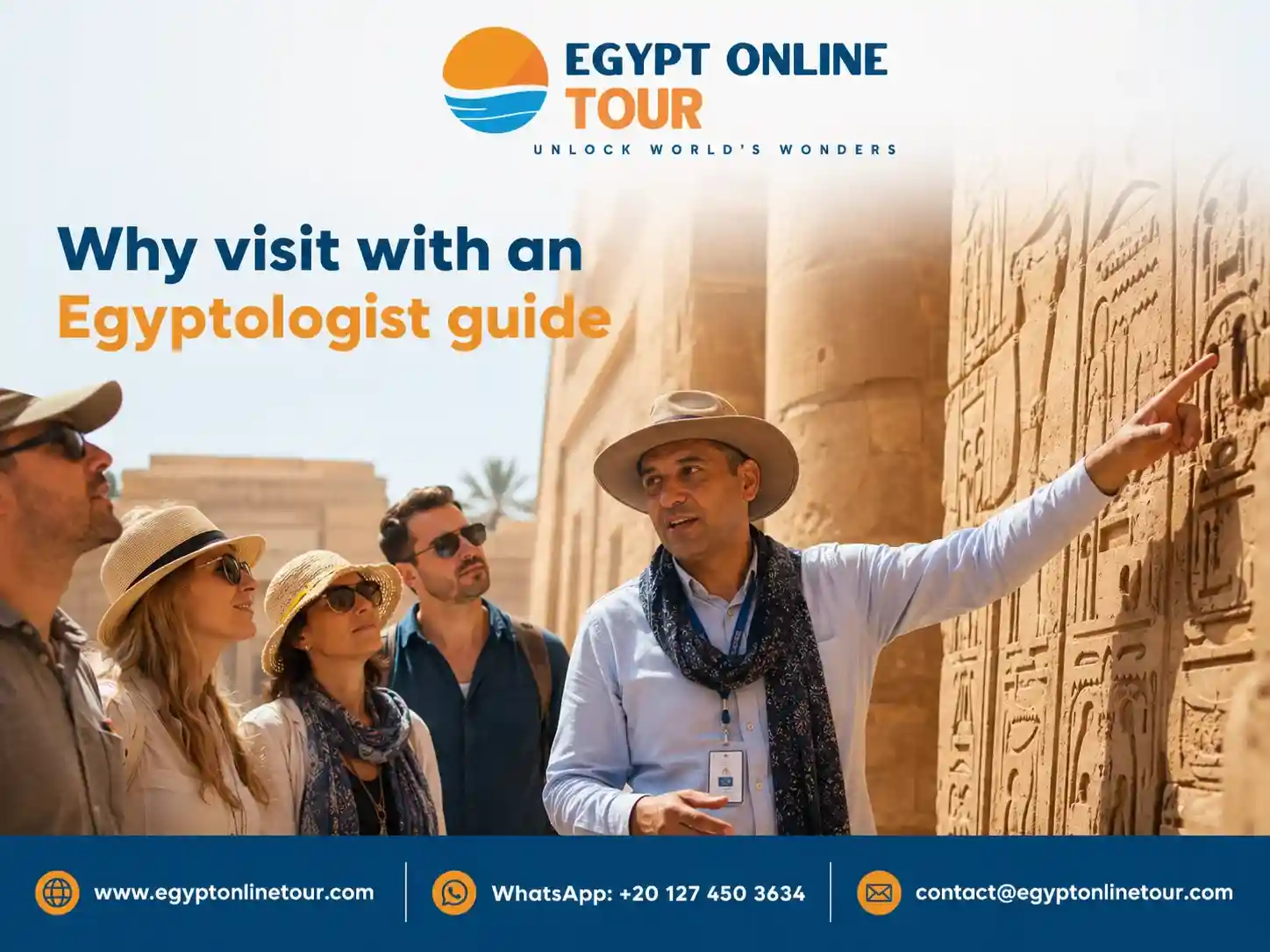
Having a knowledgeable Egyptologist guide completely changes how you experience the gods and sacred temples of ancient Egypt, because it turns what you see into a clear and meaningful story instead of scattered details.
- Hieroglyphs become understandable stories rather than symbols, while rituals and carvings gain real meaning and context.
- Hidden details inside the temples become easier to notice, and the history feels more alive and connected.
- Tour guides are also suitable for travelers looking for general insights into Egypt’s history and culture.
- They also help you navigate busy tourist areas, understand local culture, and enjoy a smoother travel experience.
In the end, an Egyptologist helps you understand each temple beyond its stones, making every visit more rewarding and memorable.
Best Egypt Tours for Ancient Egyptian Gods and Temples
Exploring Ancient Egyptian Gods and Temples becomes even more memorable when joining organized tours that connect the most important archaeological sites in Upper Egypt.
These tours are designed to give travelers a complete experience of history, mythology, and the Nile landscape in one journey.
Luxor East Bank Tours
Luxor East Bank is home to some of Egypt’s most famous temple complexes and is an essential stop for travelers interested in Ancient Egyptian Gods and Temples.
- Visit Karnak Temple, one of the largest religious complexes in ancient Egypt.
- Explore Luxor Temple, an important center for religious ceremonies and festivals.
- See massive columns, statues, and carvings that reflect ancient Egyptian beliefs.
These sites give visitors a deeper look into the religious traditions that shaped ancient Egypt. For a more guided experience, the Tour of the East Bank in Luxor lets you explore Karnak and Luxor Temples with an expert Egyptologist in a simple and engaging way, with private air-conditioned transport and a comfortable, well-organized day trip.
Luxor West Bank Tours
While the East Bank focuses on temples and worship, the West Bank reveals another side of ancient Egyptian civilization through royal tombs and funerary monuments.
- Explore the Valley of the Kings, the burial place of many pharaohs.
- Visit the Valley of the Queens and learn about Egypt’s royal families.
- Discover mortuary temples connected to ancient beliefs about the afterlife.
- Explore Hatshepsut Temple, one of the most remarkable architectural masterpieces in Luxor.
- See the Colossi of Memnon, the iconic statues at the entrance of the West Bank.
For a complete experience, the Luxor West Bank Tour lets you explore the Valley of the Kings, Hatshepsut Temple, and the Colossi of Memnon in comfort. You’ll travel in a private air-conditioned vehicle with an expert Egyptologist who explains every detail in a simple and engaging way, making your journey through Luxor’s West Bank smooth and meaningful.
Aswan Temple Tours
Aswan tours offer visitors the chance to explore some of Egypt’s most famous historical sites while enjoying beautiful views of the Nile.
- Visit Abu Simbel and see the massive statues of Ramses II and Queen Nefertari.
- Explore Philae Temple, one of the most important religious sites in Aswan.
- See the Unfinished Obelisk in the Aswan Quarry.
- Visit the Aswan High Dam, one of Egypt’s most famous engineering projects.
- Sail on a traditional felucca past Elephantine Island and Kitchener’s Island.
Together, these attractions provide a memorable look at Aswan’s history, culture, and natural beauty.
Plan Your Ancient Egyptian Temples Tour
Ready to explore the temples, myths, and stories of ancient Egypt? The 10-Day Egypt Nile & Alexandria Tour takes you from the Pyramids of Giza and the treasures of Cairo to the temples of Luxor and Aswan, with a scenic Nile cruise and a chance to discover Alexandria’s rich historical heritage.
For travelers who want to experience Egypt’s ancient wonders in complete comfort, the Luxor and Aswan Nile Cruise offers a luxurious journey along the Nile. Visit famous temples, enjoy breathtaking river views, and discover the history of Upper Egypt while relaxing aboard a premium cruise.
Every journey in Egypt opens the door to temples, legends, and a timeless beauty you’ll never forget.
Explore Egypt Classic Tours
If you dream of standing before the Pyramids of Giza, sailing along the Nile, and exploring the temples of Luxor and Aswan, the 15 Days Marvelous Tour Package in Egypt offers a full journey through Egypt’s most iconic landmarks.
From ancient wonders and fascinating mythology to relaxing moments by the Red Sea, every day reveals a different side of Egypt’s rich history and beauty.
If you have less time but still want to experience Egypt’s timeless charm, the 5 Days Cairo to Luxor Tour Packages takes you from the vibrant streets of Cairo to the magnificent temples of Luxor.
Walk through centuries of history, discover remarkable monuments, and experience the atmosphere that made ancient Egypt one of the world's greatest civilizations.
Whichever journey you choose, you'll experience the history, temples, and timeless beauty that make Egypt unique.
Customize Your Egypt Itinerary
Every traveler has different interests, which is why a customized itinerary can make your trip even more special.
Whether you want to focus on mythology, ancient temples, historical landmarks, cultural experiences, or a combination of attractions, Egypt Online Tour can help create a journey that matches your travel goals.
A personalized itinerary gives you the flexibility to choose the destinations, activities, and pace that best fit your interests, allowing you to enjoy a more rewarding travel experience.
Start planning today and discover the history, culture, and remarkable sites that make Egypt one of the world’s most fascinating destinations. Ancient Egyptian Gods and Temples invite you to step into a world where history comes alive.