Most Interesting Facts About Ancient Egyptian Art is a visual system that uses symbols, color, and size to explain belief, power, and daily life. It stayed consistent for over 3,000 years.
You can understand any artwork fast once you know these rules.
This guide shows how to read Egyptian art clearly when you visit temples, tombs, and museums.
Egyptian Art Explained in One Look
Egyptian art uses size, color, symbols, and body position to show meaning.
Larger figures show power. Colors show ideas.
Symbols explain life and death. Every scene tells a story about belief and the afterlife.
How to Understand Egyptian Art in Seconds
- Check the size to see the importance
- Look at colors for meaning
- Notice body position rules
- Identify symbols like ankh or scarab
- Read the scene as a story
Why This Matters to Visitors in Egypt
Millions visit Egypt each year to see its art in real life.
- The Great Pyramid of Giza receives over 2 million visitors each year.
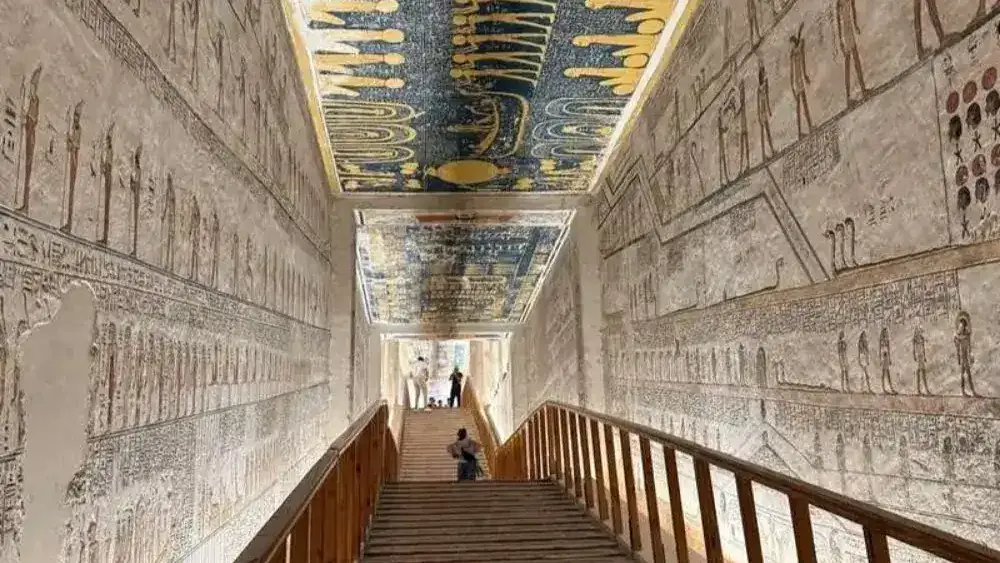
- In the Valley of the Kings, more than 60 decorated tombs reveal detailed wall art.
- Inside the Egyptian Museum, over 120,000 artifacts show Egypt’s artistic legacy.
You do not just see history. You walk inside it and understand it instantly. You experience it on site.
Ancient Egyptian Art Facts
Experts use these rules to read Egyptian art instantly and understand belief, power, and daily life through symbols, color, and scale. You learn meanings fast and understand each image with clarity.
Their art combines symbols, statues, and paintings to communicate ideas clearly.
It influenced centuries of culture, inspiring both architecture and modern design.
- Egypt’s consistent visual rules made art instantly readable for all generations.
- Symbolism, scale, and color choices explain meanings even today.
- Temple, tomb, and jewelry art connect religion, royalty, and daily life perfectly.
Read about: When Did Ancient Egypt Start and End
What Is Ancient Egyptian Art and Why Does It Matter?
- Ancient Egyptian art expresses religion, authority, and everyday life visually.
- It preserves culture across thousands of years while guiding rituals.
- Artists used proportion rules, so every symbol carries meaning.
- Temples, tombs, and monuments show stories that survive centuries.
- This art helped Egyptians communicate complex ideas before writing was fully developed.
Read about: What Are 3 Major Achievements of Ancient Egypt
Why Ancient Egyptian Art Looks So Unique Compared to Other Civilizations
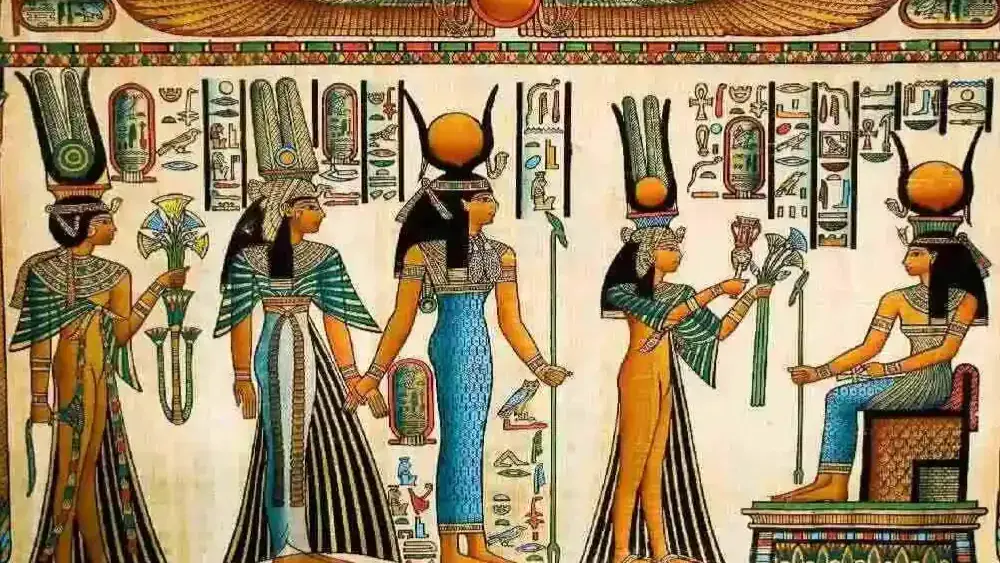
- Egyptians show people in a composite view, combining profile and frontal perspectives.
- Important figures appear larger; servants and animals are smaller.
- Colors represent ideas: gold for gods, green for life, red for power.
- Rules prevent randomness; each scene has a clear purpose.
These patterns appear in every temple and tomb across Egypt, especially when you explore sites through Egypt Classic Tours, which makes Egyptian art instantly recognizable worldwide.
Unique Features vs. Other Civilizations
When Did Ancient Egyptian Art Begin and How Did It Evolve?
Ancient Egyptian art began around 3100 BCE and evolved across major periods while keeping clear rules in symbols, color, and scale. You can still understand its meaning today.
- Old Kingdom: Statues and pyramids emphasized the pharaohs’ authority.
- Middle Kingdom: Tombs show natural forms and refined detail.
- New Kingdom: Large temples, colorful murals, and monumental statues appeared.
- Late Period: Greek and Roman influences arrived, but Egyptian motifs persisted.
- Even with change, symbolic representation stayed consistent for clarity.
You can still recognize these rules instantly when you visit Egypt today.
What Most Tourists Miss in Ancient Egyptian Art
Most tourists see shapes and colors. They miss meaning.
- Size shows importance. Larger figures represent power, not distance
- Colors carry messages. Green means life. Gold shows eternity
- Body position follows rules. Head and legs in profile. Torso faces front
- Scenes tell stories about the afterlife, not decoration
- Symbols like the ankh and scarab explain life, death, and rebirth
Experts focus on meaning first, which helps them read every scene faster and with more accuracy.
Most visitors look at shapes. You start seeing meaning once you understand the rules.
Historical Timeline of Ancient Egyptian Art
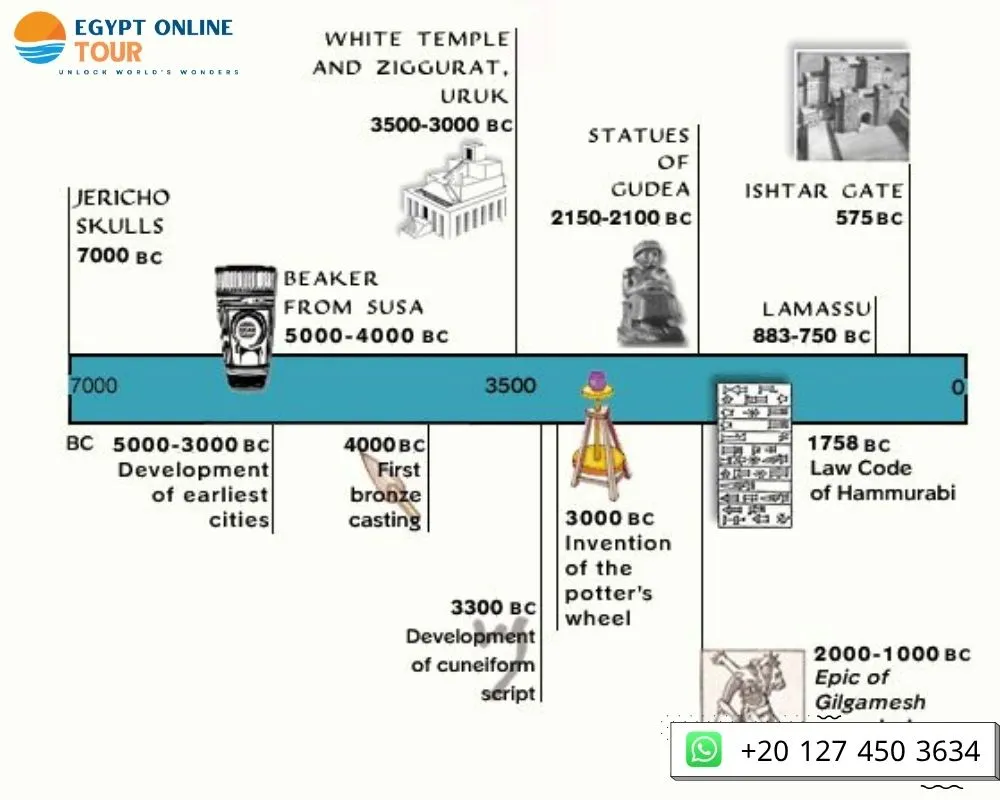
Each period tells a story in style, materials, and symbolism. Below is a complete timeline.
Old Kingdom Art and the Rise of Pyramid Culture
- Focused on tombs, pyramids, and funerary objects.
- Artists used strict proportion rules to ensure meaning remained clear.
- Pharaohs appeared as larger-than-life statues to show power.
- Reliefs depicted farming, hunting, and rituals, guiding the dead to the afterlife.
- Colors and hieroglyphs were symbolic, reinforcing spiritual messages.
Read more about: Egyptian Empire Time Period
Middle Kingdom Artistic Transformation
Middle Kingdom artists brought emotion and realism into Egyptian art.
Statues began showing soft facial features and human expressions.
Small sculptures depicted ordinary life alongside royal subjects. Temple reliefs became more dynamic, telling stories in sequential panels. This period marked a shift from rigid forms to more natural representation, preparing art for the New Kingdom’s grandeur.
Look at: Why Was The Middle Kingdom a Golden Age for Egypt
New Kingdom Golden Age of Egyptian Art
- Pharaohs like Tutankhamun and Ramses II commissioned massive temples and tombs.
- Wall paintings grew vivid, capturing daily life, battles, and religious scenes.
- Sculptures became colossal, rich in symbols of power and divinity.
- Art reinforced wealth, religion, and cultural identity across Egypt.
- Artists experimented with color, perspective, and narrative detail, creating the most enduring Egyptian masterpieces.
Late Period and Greco-Roman Influence on Egyptian Art
How did foreign cultures influence Egyptian art?
Greek and Roman styles introduced naturalistic poses and proportions, which you can still observe today through Egypt tour packages that visit preserved temples and sites.
Did traditional Egyptian elements disappear?
No, symbols like the ankh, scarab, and gods remained central.
Look at: Social Structure in Old Kingdom Egypt
Why is this period significant?
It shows a fusion of styles, preparing Egyptian art for preservation and later admiration.
Egyptian Art Timeline Summary
Key Characteristics of Ancient Egyptian Art Style
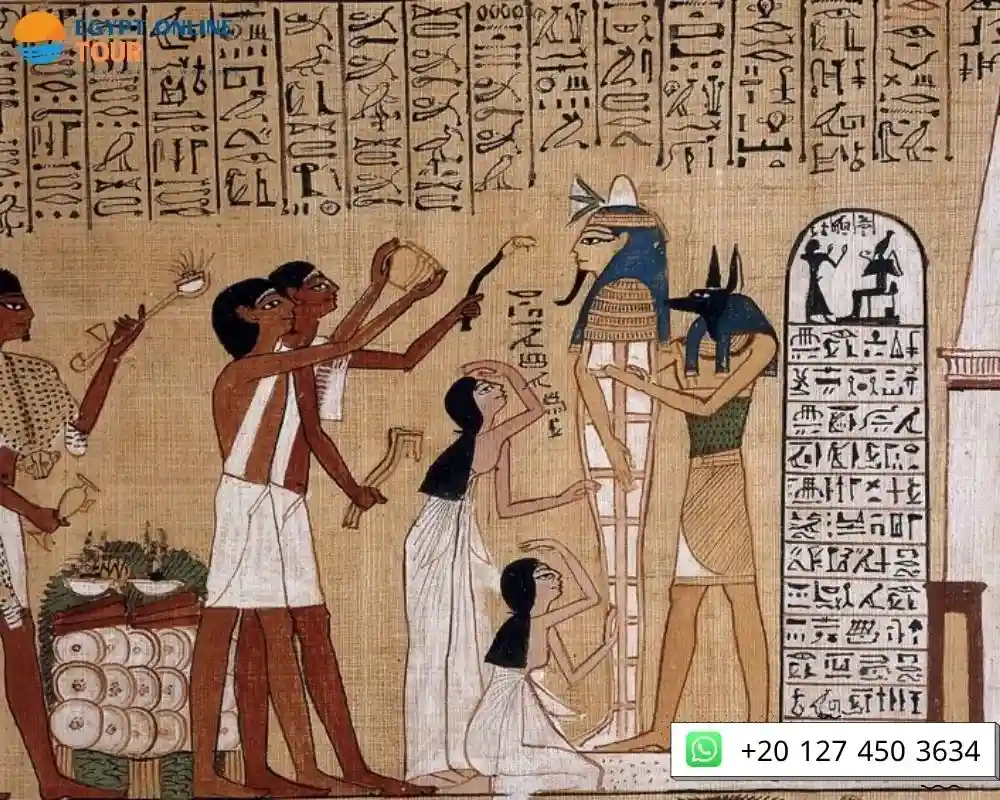
These rules appear in every temple and tomb across Egypt and guide how artists communicate life, faith, and leadership. Their visual style still teaches us about culture and devotion.
Composite View and Canon of Proportions
The composite view shows the head and legs in profile while the torso faces front.
- This method highlighted each body part’s meaning clearly.
- Artists used grids for proportion, making all figures uniform.
- As a result, tombs, temples, and statues communicated order and clarity that lasted millennia.
Hierarchical Scale in Royal and Religious Scenes
Who was important? Size answered that question.
- Pharaohs dominate paintings and sculptures, while attendants and animals appear smaller.
- Temples guided viewers’ eyes toward gods or rulers using scale.
- Hierarchical sizing reinforced social and spiritual order seamlessly.
Symbolism and Spiritual Representation
Every color, object, and posture carried meaning. For example:
- Green signified rebirth.
- Falcons represented Horus and divine power.
- Through these symbols, Egyptian art told moral, spiritual, and cultural stories all at once.
Symbols transformed murals, reliefs, and statues into layered messages for centuries.
Read about: Egyptian Tattoos Symbols and Meanings
Religious Influence on Ancient Egyptian Art
Religion dictated almost everything artists created.
- Temples and tombs set the subject, style, and placement of art.
- Visual works guided the living and honored the dead.
- Consequently, faith became inseparable from design, turning art into a medium of devotion.
Why it matters: Visual rules, symbolism, and hierarchy allowed Egyptian artists to convey life, leadership, and faith.
Every detail mattered, making their art timeless.
Travelers on the 8 Days Pyramids & The Nile by Air should pack comfortable walking shoes for pyramid visits.
Bring light layers to stay comfortable during cool evenings on the Nile cruise deck.
Types of Ancient Egyptian Art and Architecture
Ancient Egyptian art and architecture show remarkable creativity. Tombs, temples, sculptures, and jewelry reveal religion, power, and daily life vividly.
This section explores each type’s unique features and enduring cultural impact.
Tomb Paintings and Burial Chamber Murals
Tombs captured the afterlife journey in detailed murals.
- Artists depicted daily life, rituals, and offerings with vivid colors.
- Scenes included pharaohs, servants, animals, and sacred symbols.
- Each mural communicated eternal guidance for the dead, ensuring spiritual continuity.
- Therefore, tomb art combined beauty with religious function seamlessly.
Temple Reliefs and Monumental Stone Carvings
Reliefs carved in stone illustrated gods, ceremonies, and victories.
- Temples acted as sacred storytelling spaces.
- Hieroglyphs accompanied images to explain rituals or divine messages.
- These carvings used depth, proportion, and scale for visual clarity.
- Consequently, monumental reliefs instructed, honored, and inspired visitors at once.
Sculptures and Colossal Statues
Sculptures portrayed rulers, gods, and animals in both realism and idealism.
- Colossal statues, like Ramses II at Abu Simbel, showed authority and divinity.
- Materials ranged from limestone to granite, each symbolizing permanence.
- Artists captured facial expressions, posture, and proportion precisely.
- Through sculptures, Egyptians immortalized leadership, devotion, and cultural values.
You feel the scale immediately when you stand next to these statues.
Egyptian Jewelry and Decorative Arts
Jewelry reflected status, protection, and style.
- Gold, turquoise, and lapis lazuli were crafted into intricate necklaces, bracelets, and amulets.
- Decorative arts included pottery, furniture, and ceremonial objects.
- Designs often represented gods, symbols, or natural motifs.
- Consequently, these objects combined beauty, symbolism, and function effectively.
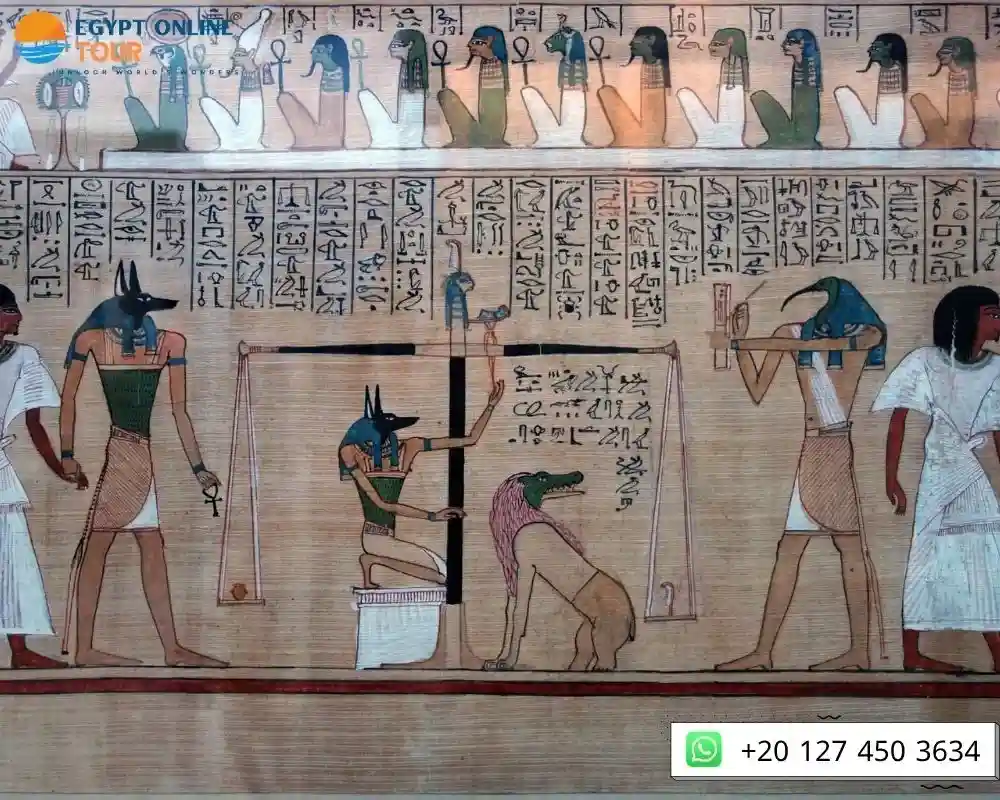
These tomb paintings show how Egyptians expressed faith, power, and culture across time. Every object carried meaning, making their art timeless. Colors remain clear even after thousands of years inside tomb walls.
Materials and Techniques Used in Ancient Egyptian Art
Experts recognize that Egyptians chose materials based on meaning, not just availability, which adds deeper value to every artwork. Each material reflects power, belief, and permanence.
Ancient Egyptians transformed stone, pigments, and precious materials into timeless masterpieces that reflect life, faith, and leadership. Each choice carried meaning, durability, and beauty. Their techniques remain a benchmark of human craftsmanship.
Carving Stone: Limestone, Granite, and Sandstone
Egyptians used stone strategically: limestone for smooth pyramid exteriors, sandstone for temple walls, and granite for statues of kings.
- Precision guided every cut, so shapes remained consistent across centuries.
- Stronger stones conveyed authority, while softer stones allowed detailed carvings.
- Each surface became a canvas for cultural storytelling.
Natural Pigments and Color Meaning in Egyptian Art
Colors weren’t decoration—they spoke a language. Red expressed vitality, green symbolized rebirth, and blue connected humans to the divine.
- Artists ground minerals into powder and mixed them with water or resin.
- Murals in tombs carried moral, spiritual, and historical messages simultaneously.
- Therefore, color amplifies meaning, guiding viewers’ perception and understanding.
Gold and Precious Materials in Royal Artifacts
Gold and stones like lapis lazuli conveyed divinity, immortality, and social hierarchy.
- Pharaohs’ masks and jewelry used gold for eternal symbolism.
- Precious materials protected the soul and signaled power.
- So, royal items functioned as both art and spiritual communication.
Tools and Craftsmanship in Ancient Egypt: How Art Came Alive
Copper chisels, stone hammers, and reed brushes allowed exact shapes and vivid murals.
- Artists followed grids for proportions and scale.
- Skilled hands ensured clarity, beauty, and enduring meaning.
- Consequently, technique became inseparable from purpose, making every piece intentional.
Core Materials and Their Purpose
These materials and techniques shaped Egyptian art, transforming simple stones and pigments into a lasting cultural language. Every material was chosen to last and communicate meaning clearly.
Read also about: Best Months to Visit Egypt
Famous Examples of Ancient Egyptian Art
Each masterpiece blends history, symbolism, and skill. These examples highlight innovation, culture, and devotion, shaping Egypt’s artistic legacy.
The Mask of Tutankhamun
Tutankhamun’s mask remains the most iconic Egyptian artifact. Crafted from gold, lapis lazuli, and precious stones, it reflects royal wealth.
- Created to honor the young pharaoh’s afterlife journey.
- Facial features follow idealized proportions to show divine perfection.
- Blue stripes symbolize royalty, while gold indicates eternal life.
- Artisans combined precision and symbolism to ensure lasting spiritual power.
Read about the achievements of King Tut
The Bust of Nefertiti
Unlike masks, Nefertiti’s bust conveys elegance through subtle realism. Sculpted in painted limestone, it captures refined facial contours.
Her elongated neck, detailed eyes, and symmetrical features communicate both beauty and authority.
This piece shows the Amarna period’s artistic shift toward lifelike forms.
Unlike other works, color retention and surface smoothness give the bust a sense of presence, bridging art and reality.
Know more about her: Queen Nefertari
The Narmer Palette
The Narmer Palette is a ceremonial object celebrating the unification of Upper and Lower Egypt. Its carvings depict conquest, divine sanction, and ritual.
This palette combines storytelling and symbolism, making it an early blueprint for Egyptian visual communication.
The Great Sphinx of Giza
The Sphinx blends human intellect with lion strength, guarding the Giza plateau. Its colossal scale emphasizes pharaonic power.
Carved from limestone, erosion reveals both age and grandeur.
Unlike other statues, it faces the horizon, linking earth and sky.
Legends, myths, and astronomical alignments surround this monument, demonstrating how art shapes culture and belief.
Read: When Was the Great Sphinx Built
Karnak and Luxor Temple Reliefs
Temple reliefs served ritual, political, and spiritual functions. They illustrate gods, pharaohs, and ceremonial events with vibrant pigments.
- Reliefs used sunken and raised techniques to withstand time and weather.
- Colors symbolize life, death, and divine energy.
- Hierarchical composition guided viewers’ focus to the gods and kings.
- Temple walls tell layered stories across centuries, preserving Interesting Facts About Ancient Egyptian Art.
Why it matters: These masterpieces show how Interesting Facts About Ancient Egyptian Art blend form, symbolism, and devotion. Each object connects culture, religion, and leadership, which many travelers explore confidently after reading Is It Safe to Travel to Egypt?.
Look at: Facts about The Temple of Karnak
Symbolism and Meaning Behind Ancient Egyptian Art
Ancient Egyptian art communicates stories, beliefs, and values through deliberate colors, symbols, and forms. Every piece reflected life, death, and the divine, creating a visual language understood for thousands of years. These works are a window into culture, faith, and power.
Meaning of Colors in Egyptian Artwork
Color carried weight. Artists used it intentionally to express emotion, divinity, and status:
- Green represented growth, renewal, and rebirth. It often appeared in depictions of Osiris.
- Red symbolized energy, chaos, or danger, but also vitality in certain contexts.
- Blue conveyed the sky, water, and the sacred Nile connection.
- Gold denoted immortality, divine essence, and eternal power.
- Black reflected fertility and the richness of the Nile soil.
Colors guided viewers immediately, while also linking the visual to spiritual meaning. One symbol can explain an idea that would take many words.
Gods and Mythological Symbols in Art
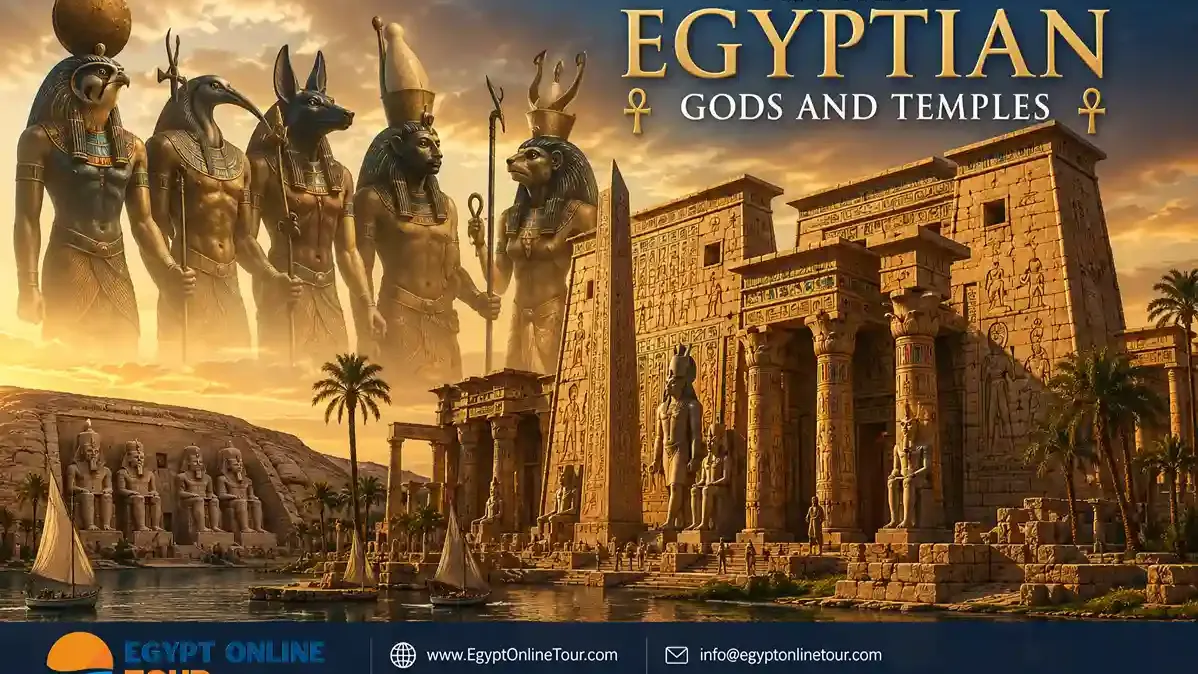
Egyptian art visualized religion directly. Figures of gods, goddesses, and mythological animals were everywhere. Unlike random decoration, each symbol reinforced authority and belief.
Pharaohs appeared with falcons, representing Horus, or ankhs, symbolizing life. Similarly, scarabs symbolized protection and rebirth. Art was never neutral; it taught and reminded people of cosmic order. Context mattered. Temples, tombs, and even furniture carried these markers to connect humans with divine power. These symbols turn simple images into clear messages you can understand quickly.
Learn more about: How to Plan a Family Vacation in Egypt from USA
Art as a Reflection of Afterlife Beliefs
Art provided guidance for the afterlife. Tomb walls often depicted daily life scenes, offering food, tools, and rituals. These images ensured safe passage into eternity.
Ancient Egyptian Art Facts show that colors, symbols, and mythological elements combined to guide viewers across life, faith, and death. These works remain vivid testimonies of culture and devotion, retaining relevance even today.
Ancient Egyptian Art Influence on Modern Civilization
Ancient Egyptian art continues to shape modern culture, design, and architecture. Its symbols, styles, and motifs inspire creativity worldwide. These influences appear in public monuments, buildings, and popular culture. Understanding these links reveals the enduring power of Ancient Egyptian Art Facts.
Egyptian Revival in Architecture and Design
From the 19th century onward, Egyptian Revival appeared in architecture across Europe and America. Temples, cemeteries, and even theaters borrowed monumental forms, obelisks, and column designs.
- Many 19th-century cemeteries featured pyramidal tombs and hieroglyphic decorations.
- Public buildings, like banks and museums, incorporated Egyptian columns and stylized facades.
- Furniture and interior décor reflected Egyptian motifs, including lotus and papyrus carvings.
- Designers emphasized symmetry and proportion, echoing pharaonic aesthetics.
- Modern architects use these elements to suggest timelessness and grandeur.
This revival shows how Ancient Egyptian artistry resonates across centuries, influencing visual language in public and private spaces.
Read more about: Best time to travel to Egypt
Egyptian Symbols in Modern Culture
Egyptian symbols such as the ankh, scarab, and Eye of Horus are widely recognized today. They appear in jewelry, tattoos, and graphic design.
These symbols continue to inspire art, film, and pop culture. Designers adapt their shapes and meanings, merging ancient ideas with contemporary aesthetics. Furthermore, Egyptian mythology informs modern storytelling, from literature to cinema.
Egyptian art shows a lasting influence on modern culture. They shaped artistic techniques, cultural symbols, and aesthetic ideals still relevant today. Modern creators continue to draw from these centuries-old inspirations, proving the timeless appeal of Egypt’s visual language.
What Are the 5 Most Interesting Facts About Ancient Egyptian Art?
- Art followed strict rules and rarely changed over time.
- Size in art showed importance, not perspective.
- Colors had symbolic meanings (green for life, black for fertility).
- Most art was created for tombs and temples.
- Artists remained anonymous and worked for religious purposes.
10 Fun Facts About Ancient Egypt
Ancient Egypt is one of the most fascinating civilizations in history, filled with mystery, innovation, and incredible achievements that still inspire the world today.
- The pyramids were built as tombs for pharaohs and are still standing after thousands of years.
- Ancient Egyptians invented one of the earliest writing systems called hieroglyphics.
- Cats were considered sacred animals and were often mummified.
- Both men and women wore makeup for beauty and protection from the sun.
- The Nile River was the main source of life, providing water, food, and transportation.
- Egyptians believed strongly in the afterlife and prepared for it throughout their lives.
- The Great Pyramid of Giza is one of the Seven Wonders of the Ancient World.
- They used advanced medical techniques, including surgery and herbal treatments.
- Pharaohs were considered both kings and gods.
- Ancient Egyptian civilization lasted for more than 3,000 years.
Look at: Facts About Pharaohs
Experience Ancient Egyptian Art in Real Life with Egypt Online Tour
Experiencing Ancient Egyptian art firsthand offers unmatched insight into history. Egypt Online Tour brings museums, temples, and pyramids to life with expert guidance, revealing the stories behind Ancient Egyptian Art Facts and iconic masterpieces. Details look sharper and more powerful in real life than in photos.
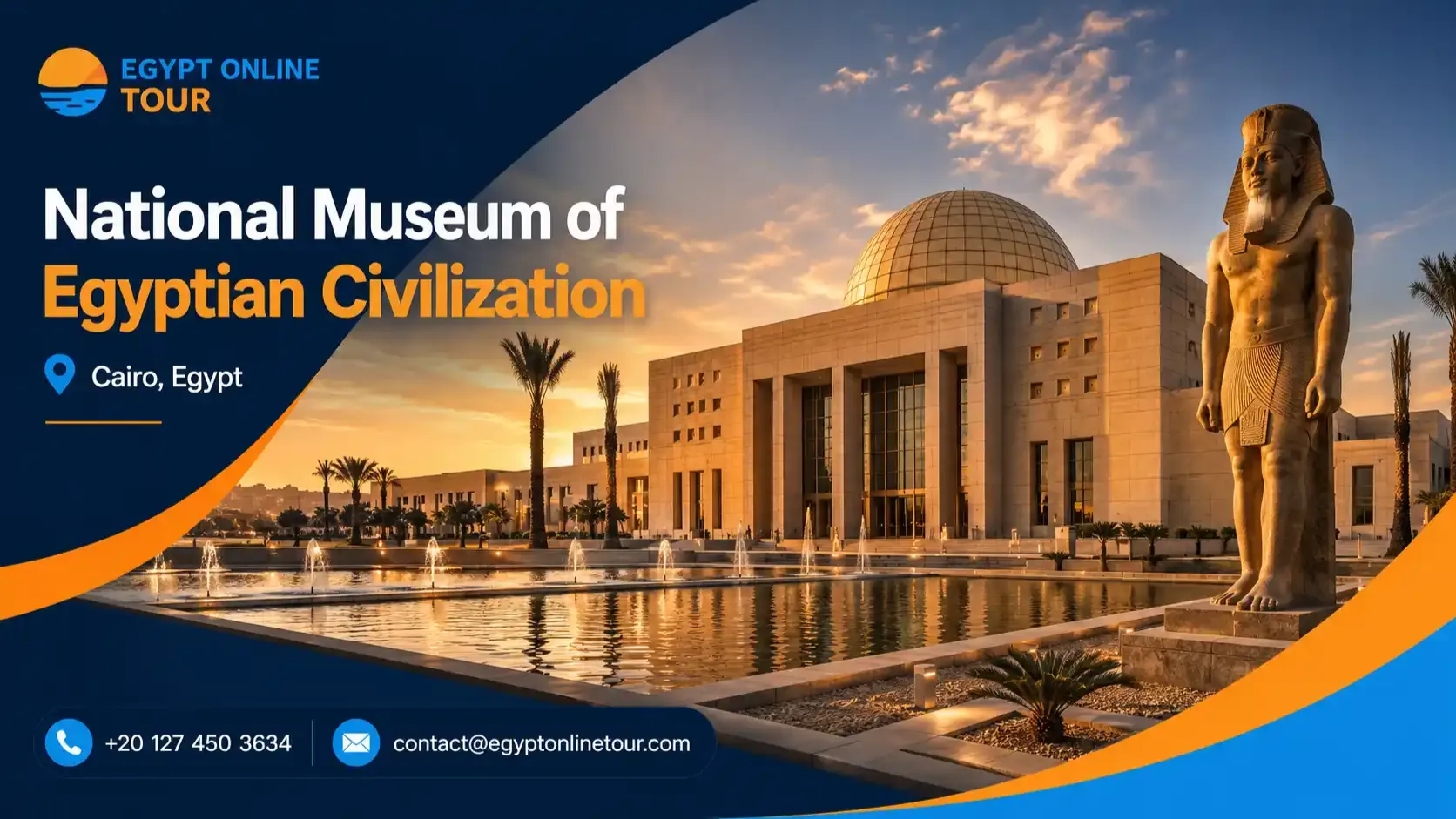
Explore Cairo Museums and Historical Collections
Cairo houses some of the world’s richest Egyptian art collections. Visitors can explore artifacts, statues, and tomb treasures.
- Egyptian Museum: Holds Tutankhamun’s treasures, including gold masks and ceremonial items.
- Museum of Islamic Art: Displays artifacts showing Egypt’s artistic evolution through the ages.
- Coptic Museum: Highlights Christian-era Egyptian artistry, blending ancient and medieval styles.
- Guided tours explain the historical context, materials, and symbolism behind each piece.
- Audio guides enhance understanding, connecting artifacts to real-life Ancient Egyptian Art Facts.
These museums provide a close-up view of how Egypt preserved art across millennia.
We guide you through the top choices with clear details on costs and timing, helping you plan a smooth and enjoyable Egyptian Family Holiday.
Turn your interest in ancient Egyptian art into a real journey with unforgettable Egypt Tours, or explore curated Egypt Tour Packages designed for a complete and immersive experience.
Visit Luxor Temples and Ancient Wall Paintings
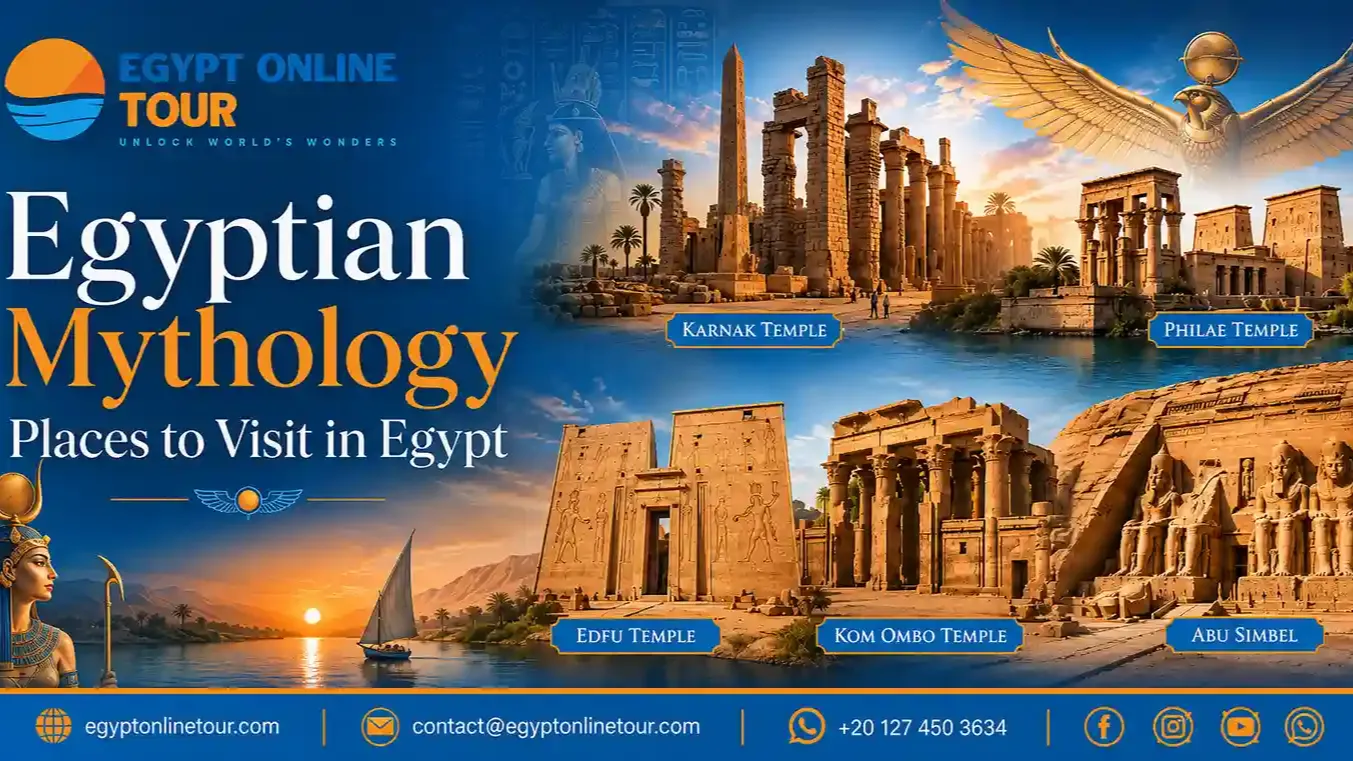
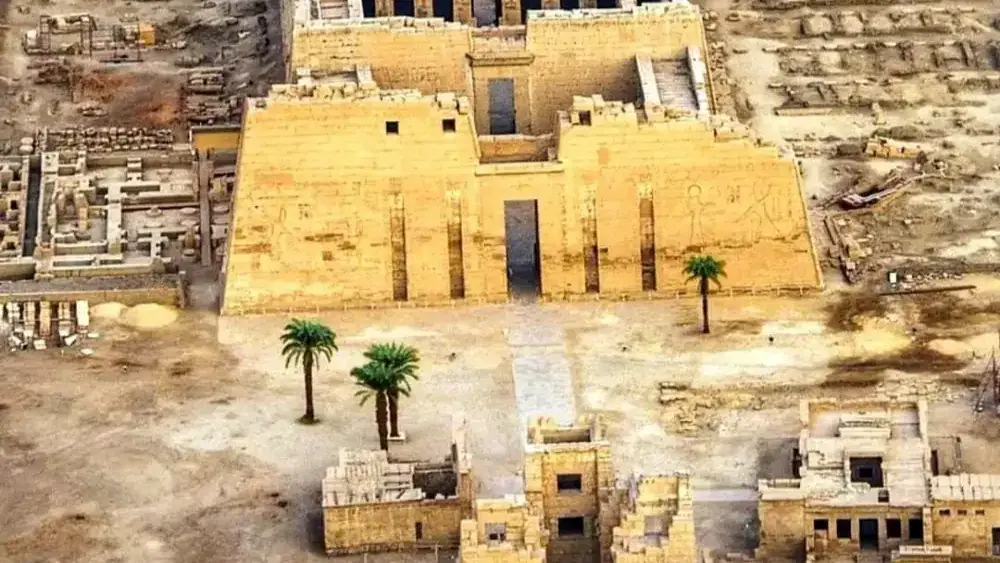
Luxor is a living gallery of monumental architecture. Temples and tombs reveal intricate wall paintings.
These Ancient Egyptian Art Facts appear clearly in the table below.
These sites show artistic skill in color, design, and narrative. Visitors witness depictions of gods, rituals, and pharaonic life. Furthermore, expert guides explain symbols, techniques, and cultural meanings. Many travelers also connect these experiences with broader journeys through Christian Holy Land Travel Tours Packages that link Egypt’s history with regional heritage.
You step inside and see colors still bright after 3,000 years.
Discover the Pyramids and Iconic Masterpieces with Expert Guides
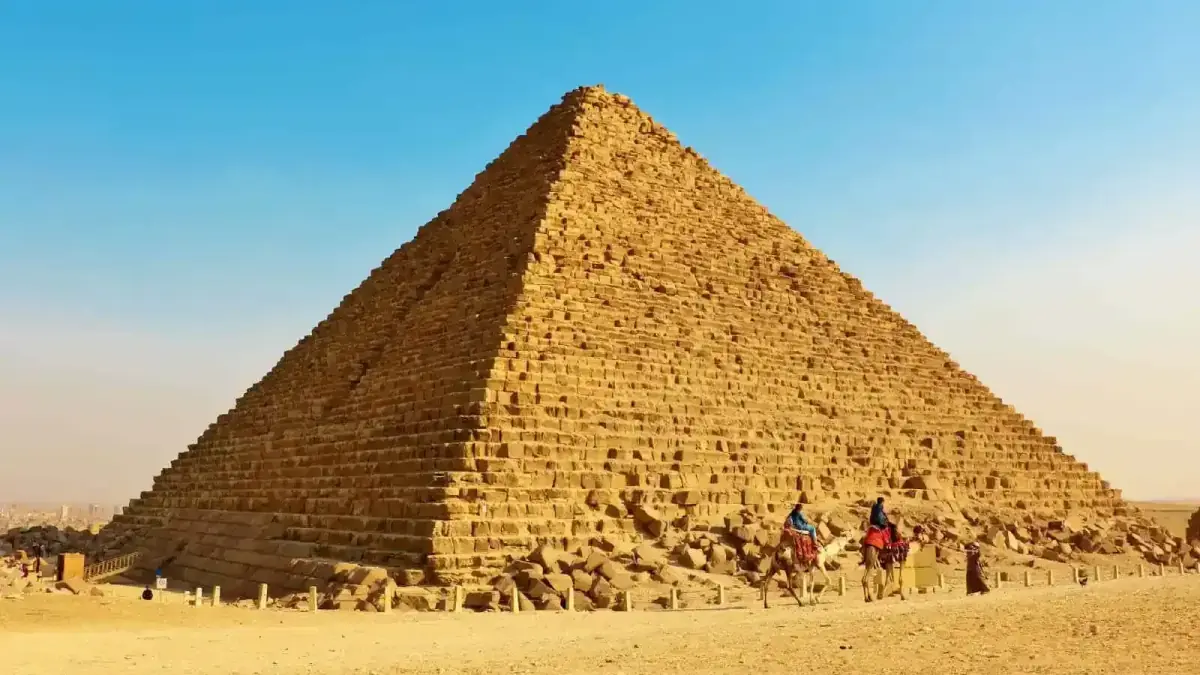
The Giza Plateau showcases pyramids, the Sphinx, and ceremonial monuments. Guided tours give in-depth insights.
- Walk among the pyramids of Khufu, Khafre, and Menkaure.
- Study hieroglyphs and relief carvings on tomb walls.
- Learn stories of pharaohs and construction methods.
- Guides reveal hidden meanings behind sculptures and architecture.
- Evening light tours show how sunlight interacts with ancient designs.
You notice how every structure aligns with purpose, not random design. Experiencing these monuments brings history alive and deepens understanding of Egypt’s enduring artistic legacy.
These are the best places to understand Egyptian art in real life, not just read about it.
What You Should Remember
Egyptian art uses size, color, symbols, and body position to show meaning. Larger figures show power. Colors explain ideas. Symbols tell life and afterlife stories. Once you know these rules, you can understand any artwork instantly.
Conclusion
Egypt Online Tour helps travelers explore history with clear guidance. From Cairo museums to Luxor temples, you see Ancient Egyptian Art Facts in real life. Temples, pyramids, and wall paintings reveal stories of pharaohs and gods. Guides simply explain symbols, so you understand what you see instantly. With Egypt Online Tour, your trip becomes clear, engaging, and easy to follow.