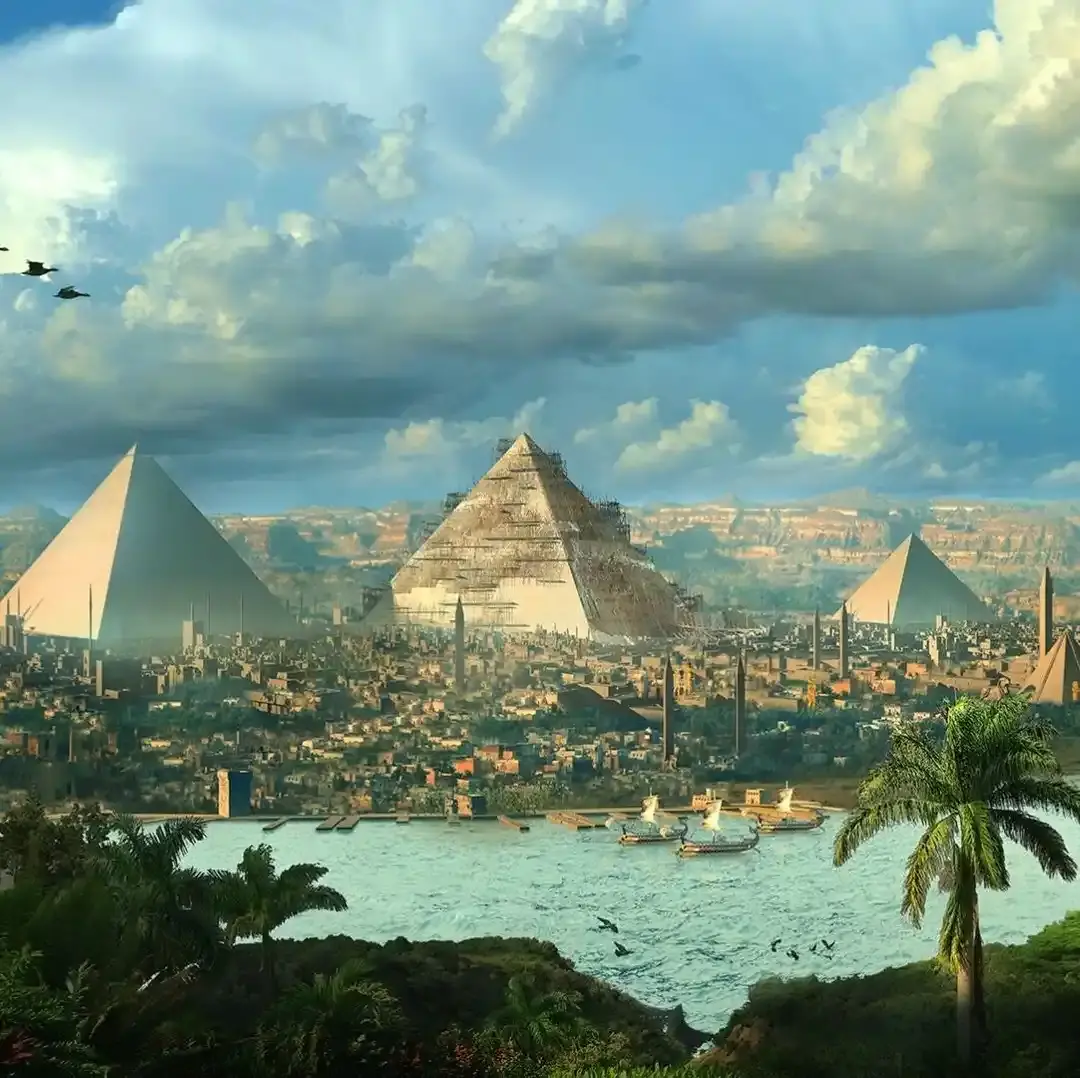
When Did Ancient Egypt Start and End? Know the secrets
Discover the answer to “When did Ancient Egypt start and end”, and explore its pharaohs, culture, beliefs, daily life, and history and more secrets.
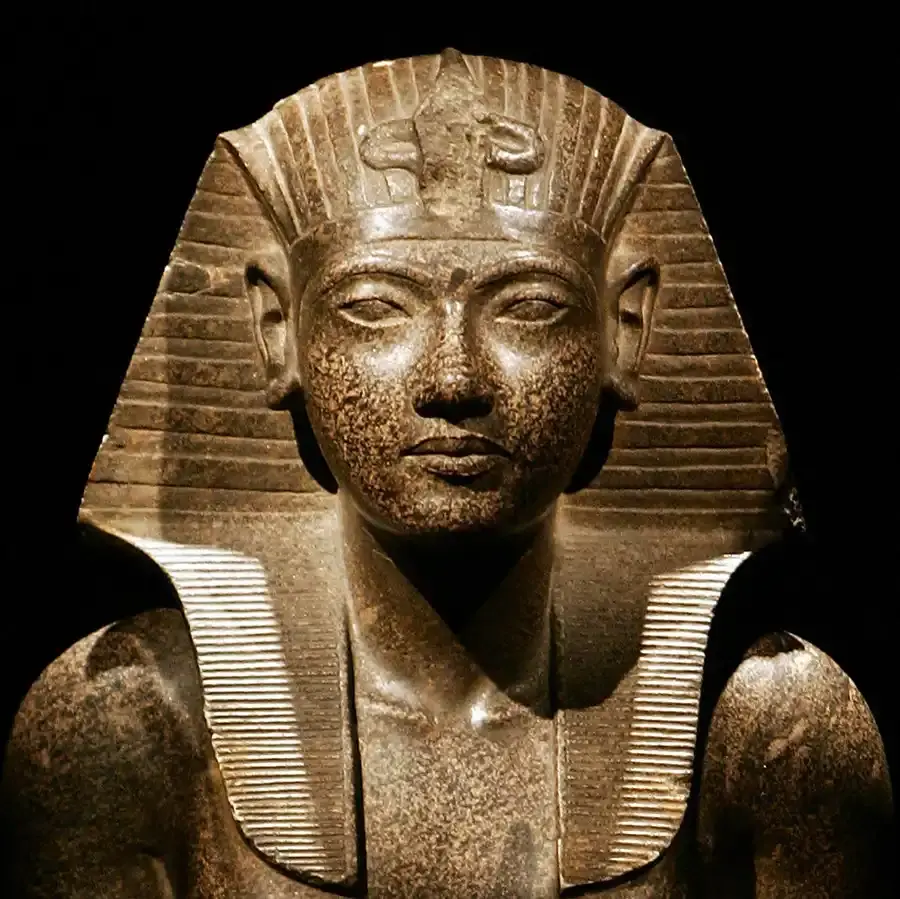
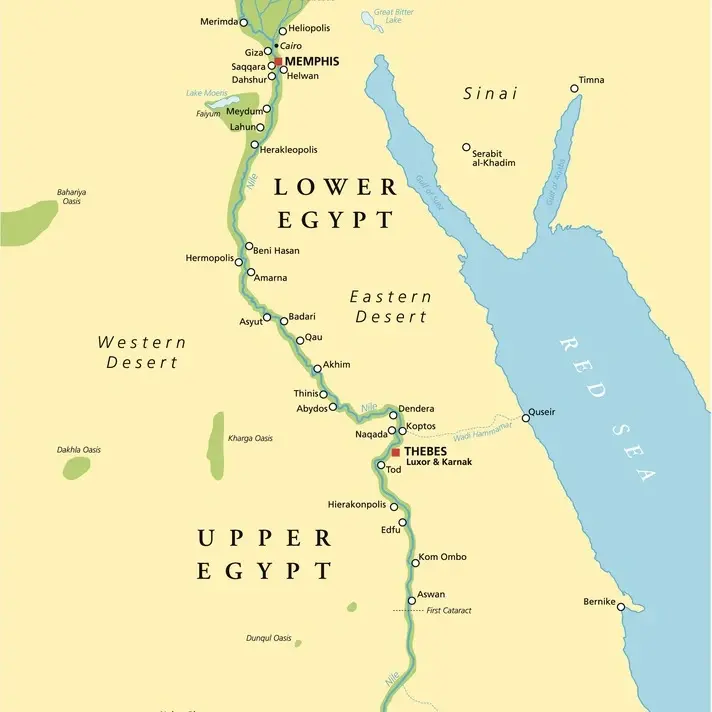
Ancient Egypt is, without a doubt, one of the largest ancient civilizations that has ever existed in the history of mankind. It is a civilization that thrived for about 3000 years along the great Nile and made a significant imprint in art, political structure, and religion. However, when did ancient Egypt start and end, and what caused its downfall? In this article, you will learn how Ancient Egypt began, who its famous Pharaohs were, and what life was like for the average Egyptian. We will also explore this ancient society's beliefs, food, and geography. When Was Ancient Egypt Established? 3100 BCE is the date ancient Egypt was founded after Pharaoh Narmer (also called Menes) united Upper and Lower Egypt to begin the Early Dynastic Period. This unification provided the stage for centralized government, which promoted stability and, ultimately, prosperity. If you’ve wondered, "When did ancient Egypt start and end," the story begins with this pivotal moment. Prior to this unification Egypt was divided into several independent, usually small, autonomous regions, known as nomes, which were in the charge of local leaders. This early period was marked by a huge leap forward in writing, architecture, and governance. Hieroglyphics came into existence as a record-keeping form and monumental structures started to take shape, forecasting the later dynastic grandeur. These innovations laid the groundwork for answering the question, "When did ancient Egypt start and end?" Who were the ancient Egyptian Pharaohs? More than kings, Pharaohs, were regarded as living gods and acted as go-between the deities and their people. Each pharaoh had absolute power and it was the responsibility of each pharaoh to maintain Ma’at, the principle of cosmic order and harmony. Pharaohs were also often associated with the god Horus, protector of the monarchy, and upon their death, those kings were associated with Osiris, the god of the afterlife. Some of the more well-known pharaohs include Khufu, w