
The Middle Kingdom of Egypt (2050-1710 BCE) stands as one of the most remarkable periods in ancient Egyptian history, often referred to as the Golden Age.
Did you know Why Was The Middle Kingdom a Golden Age for Egypt?
This era witnessed the construction of over 200 small pyramids and the global recognition of Egyptian literature through works like The Tale of Sinuhe.
According to renowned Egyptologist James Henry Breasted, the Middle Kingdom represents "a time when the Egyptian state attained its highest perfection, blending political power with cultural achievement."
Let’s dive into why this period was such a transformative and unforgettable chapter in Egypt’s past.
What was the Middle Kingdom of Egypt known for?: The Golden Age of Egypt
The Middle Kingdom became a golden age of Egypt through stronger government, fairer taxation, improved provincial rule, and major achievements in art and literature. Works such as The Tale of Sinuhe reflected the era’s intellectual growth, while architecture shifted toward smaller, more refined pyramids. Its cultural and administrative legacy influenced Egypt for generations.
Egypt Middle Kingdom History: The Middle Kingdom of Egypt
The Middle Kingdom of Egypt (c. 2055–1650 BCE) is often considered a "golden age" due to its political stability, economic prosperity, cultural achievements, and expansion. It is the second major period in ancient Egyptian history, following the Old Kingdom and preceding the New Kingdom. Here's an overview of its history:
1. Timeline and Dynasties
The Middle Kingdom spans two main dynasties:
- 11th Dynasty (c. 2055–1985 BCE): Marked by the reunification of Egypt under Mentuhotep II.
- 12th Dynasty (c. 1985–1773 BCE): Characterized by centralized power, territorial expansion, and cultural revival.
2. Origins: Reunification of Egypt
The Middle Kingdom began when Mentuhotep II of the 11th Dynasty reunited Egypt after the chaos of the First Intermediate Period (c. 2181–2055 BCE).
During this earlier period, Egypt was fragmented into competing regions with rival rulers.
3. Political Stability and Administration
The pharaohs re-established a strong central government.
The capital was moved to Itjtawy, near Fayoum, during the 12th Dynasty, allowing better control over Egypt's vast territory.
A sophisticated bureaucracy was developed, with positions often filled by middle-class individuals, enhancing efficiency.
4. Economic Prosperity
Large-scale irrigation projects, such as those in the Fayoum Oasis, increased agricultural productivity.
Trade networks expanded, linking Egypt with Nubia, the Levant, and Punt.
These routes brought gold, ebony, incense, and other luxury goods to Egypt.
The construction of fortresses in Nubia secured trade routes and resources, including gold mines.
5. Cultural Achievements
Literature
- Middle Kingdom literature flourished, producing works like The Tale of Sinuhe, The Eloquent Peasant, and Instructions of Amenemhat.
- Writing emphasized moral values, personal piety, and reflections on leadership.
Art and Architecture
- Art became more realistic, depicting pharaohs and individuals with unique features rather than idealized forms.
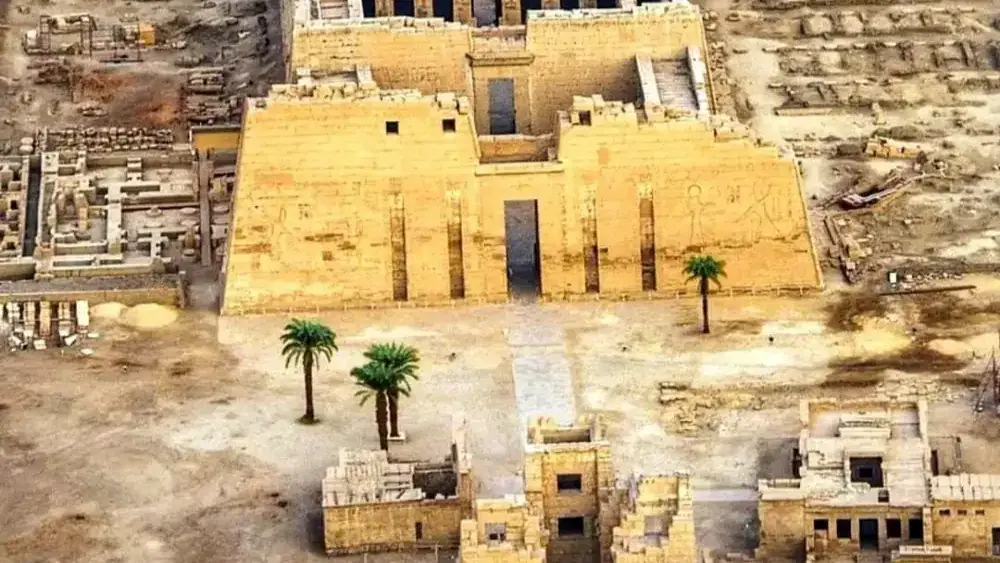
- Major construction projects included pyramids, temples, and irrigation systems. Examples include the Mortuary Temple of Mentuhotep II and the Labyrinth at Hawara built by Amenemhat III.
6. Military Campaigns and Territorial Expansion
- Pharaohs like Senusret III conducted military campaigns into Nubia and the Sinai Peninsula.
- Defensive fortifications were built, especially along the southern borders, to protect Egypt and maintain control over trade routes.
7. Religious Developments
- The Coffin Texts, a collection of funerary spells, became widely used, reflecting a democratization of the afterlife.
- Amun was the real Theban deity and also rose to prominence and even foreshadowed his central role in the New Kingdom.
8. Decline and Transition
The Middle Kingdom ended during the 13th Dynasty, as Egypt fell into the Second Intermediate Period (c. 1650–1550 BCE):
Political instability arose due to weak rulers and challenges from local governors.
The rise of the Hyksos, a foreign dynasty that controlled northern Egypt, marked the beginning of this transitional period.
The Middle Kingdom set a precedent for strong centralized rule and cultural achievements that influenced later periods, particularly the New Kingdom. Its literature, architecture, and administrative reforms left a lasting mark on Egyptian civilization.
Achievements of the Middle Kingdom of Egypt
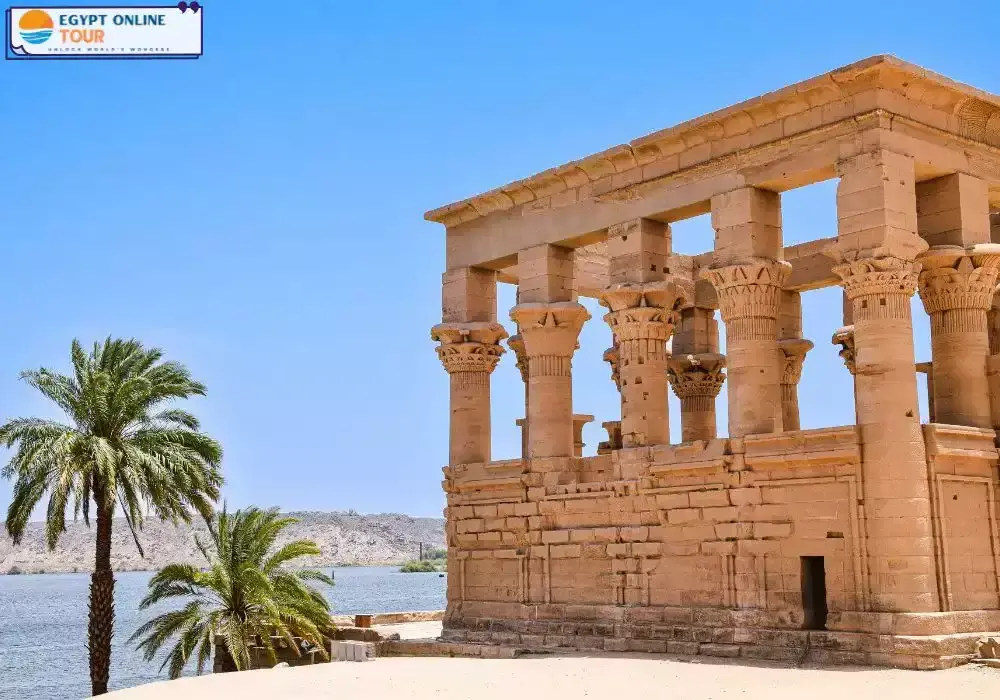
The Middle Kingdom was a golden age of stronger government, growing trade, improved agriculture, and social stability. Pharaohs such as Senusret III strengthened Egypt’s borders and administration, creating lasting prosperity.
Discover the achievements of the Middle Kingdom with just 5 Days Cairo to Luxor Tour Packages .
Egypt Middle Kingdom Pyramids
Middle Kingdom architecture focused on practical and efficient design. Its pyramids were smaller than those of the Old Kingdom but used improved building methods. The Pyramid of Amenemhat III at Hawara is a clear example of this more advanced approach.
Who Were the Major Pharaohs of Egypt's Middle Kingdom?
The Middle Kingdom prospered under strong pharaohs from the 11th and 12th Dynasties. Mentuhotep II reunited Egypt, Senusret I expanded trade and strengthened the borders, while Senusret III improved government and military power. These rulers helped bring stability and prosperity to Egypt.
11th Dynasty (c. 2055–1985 BCE):
Mentuhotep II (c. 2061–2010 BCE)
- Known as the founder of the Middle Kingdom, he reunified Egypt after the chaos of the First Intermediate Period.
- Established Thebes as a political and religious center.
- Start large-scale construction projects, including his famous mortuary temple at Deir el-Bahri.
Mentuhotep III (c. 2010–1998 BCE)
- Continued to stabilize the kingdom and expand trade, particularly with Punt.
- He is known for his administrative reforms and infrastructure projects.
Mentuhotep IV (c. 1998–1991 BCE)
- His reign is less documented, but he is noted for organizing expeditions to gather valuable resources like stone and minerals.
- He was likely succeeded by his vizier, Amenemhat I, who founded the 12th Dynasty.
12th Dynasty (c. 1985–1773 BCE)
Amenemhat I (c. 1985–1956 BCE)
- Moved the capital to Itjtawy, near modern-day Fayoum.
- Strengthened Egypt’s borders and centralized administration.
- May have been assassinated, as suggested by literary works like The Instruction of Amenemhat.
Senusret I (c. 1956–1911 BCE)
- Expanded Egypt’s influence into Nubia and the Sinai Peninsula.
- Built extensively, including significant additions to the Temple of Amun at Karnak.
Amenemhat II (c. 1911–1877 BCE)
- Focused on economic prosperity and foreign trade, evidenced by records of trade expeditions and diplomatic contacts.
Senusret II (c. 1877–1870 BCE)
- Known for agricultural innovations, including irrigation projects in the Fayoum region.
- Focused on domestic development rather than military expansion.
Senusret III (c. 1870–1831 BCE)
- One of the most powerful Middle Kingdom pharaohs.
- Conducted military campaigns in Nubia and strengthened Egypt’s southern border with fortresses.
- Revered as a semi-divine figure in later periods.
Amenemhat III (c. 1831–1786 BCE)
- Oversaw a period of great prosperity and large-scale construction, including the construction of the "Labyrinth" at Hawara and extensive irrigation projects.
- His reign marked the height of the Middle Kingdom’s achievements.
Amenemhat IV (c. 1786–1777 BCE)
- Little is known, but his reign appears to have been peaceful, focusing on administration and trade.
Sobekneferu (c. 1777–1773 BCE)
- The first confirmed female pharaoh of Egypt.
- Her reign marked the end of the 12th Dynasty and the Middle Kingdom.
- After Sobekneferu's reign, Egypt transitioned into the Second Intermediate Period, a time of fragmentation and foreign rule by the Hyksos. However, the achievements of the Middle Kingdom laid the groundwork for future periods of Egyptian greatness.
Historian Toby Wilkinson describes Senusret III as "the archetype of a Middle Kingdom pharaoh—strong, visionary, and deeply involved in the lives of his people." These leaders collectively laid the groundwork for cultural and economic flourishing, cementing the Middle Kingdom’s legacy.
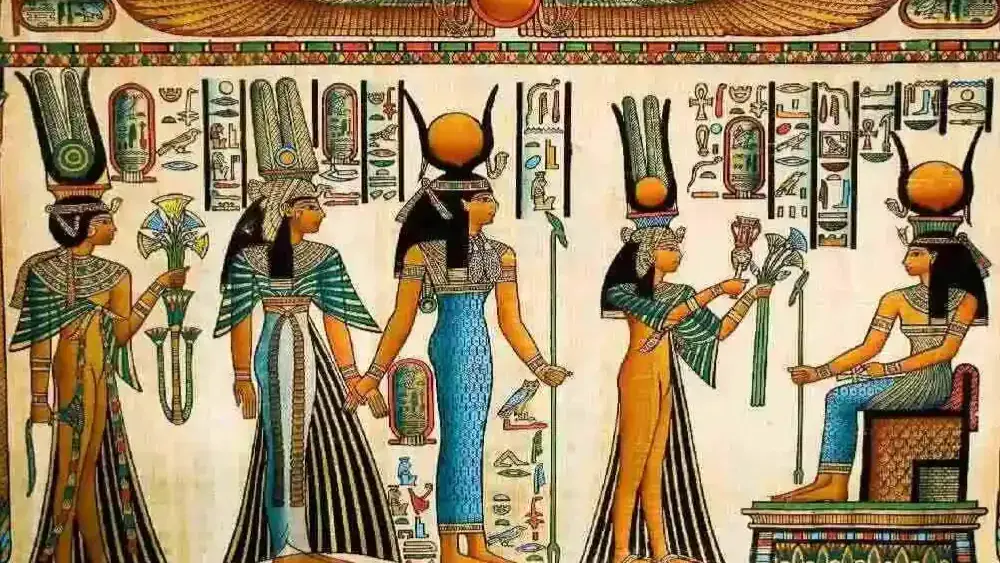
- There are colorful funerary paintings dating back to the Middle Kingdom, such as the painting of Amenemhat and his wife E within the Grand Egyptian Museum Tour . When you visit the museum, you will be able to explore these pieces and learn more about this important era in Egyptian history.
What Occurred During the Middle Kingdom?: Most Specific Events
The Middle Kingdom brought major changes to Egypt. Government reforms improved the use of resources, literature such as The Tale of Sinuhe developed, and forts were built along the Nubian border for protection. Religious beliefs also changed, giving more people hope of an afterlife.
Which Kingdom Is Considered to Be Egypt's Golden Age?
The Middle Kingdom is considered Egypt’s golden age because it combined political stability, economic growth, and cultural progress. Art, literature, and government developed, while reforms improved life for a wider part of society. Its balanced achievements left a lasting influence on Egyptian history.
Watch the greatness of the Middle Kingdom and why is it A Golden Age within 8 Days Cairo, Luxor, Aswan Classic Tours .
Why Was The Middle Kingdom A Golden Age For Egypt : 7 Amazing Facts
Why Was The Middle Kingdom a Golden Age for Egypt? Extending roughly from 2040 to 1782 BC, it is viewed as a golden age due to the remarkable progress it achieved in various fields, including politics, culture, economics, and military prowess.
This period followed the chaotic First Intermediate Period and was marked by a period of stability and prosperity under the leadership of the powerful pharaohs.
Political Stability and Unification: Reunification of Egypt
The Middle Kingdom began with the unification of Egypt by Mentuhotep II, who ended the fragmentation that characterized the preceding First Intermediate Period.
His successful military campaigns against rival factions solidified his power and established Thebes as the capital, which became a significant political and religious center.
Strong Governance
The pharaohs of the Middle Kingdom implemented effective administrative reforms that strengthened central authority while allowing some degree of local governance.
This balance helped maintain order and facilitated economic growth.
The establishment of a strong central government protected citizens from external threats and internal strife, promoting a sense of security that was conducive to cultural development.
Economic Prosperity: Agricultural Advancements
Agriculture flourished during the Middle Kingdom, supported by extensive irrigation projects, particularly in the Faiyum region.
These initiatives expanded arable land and improved agricultural output, which was crucial for feeding the growing population.
The surplus produced allowed for trade and commerce to thrive.
Trade Expansion
The period also saw a significant increase in trade both within Egypt and with neighboring regions.
Egyptian merchants engaged in long-distance trade, acquiring valuable goods such as spices, gold, and luxury items.
This economic activity not only enriched the state but also facilitated cultural exchanges that further enhanced Egyptian society.
You may like to read more about Egyptian Goddesses Amathaunta Facts
Cultural Flourishing: Artistic and Literary Achievements
The Middle Kingdom is renowned for its contributions to art and literature. This era witnessed a renaissance in creative expression, with advancements in sculpture, painting, and literature becoming more accessible to the general populace.
Notable literary works emerged during this time, reflecting both religious themes and societal values.
Architectural Innovations
Architecturally, the Middle Kingdom is marked by significant building projects, including temples and tombs that showcased advanced techniques and artistic styles.
The construction of monumental structures like the White Chapel of Senusret I exemplifies the architectural achievements of this period.
Military Strength: Expansion of Territory
Middle Kingdom pharaohs expanded Egypt’s control into Nubia, secured valuable resources, and built forts to protect the borders. Political stability, strong trade, military power, and major achievements in art and literature made this period one of Egypt’s golden ages.
- During a 10 Days Round Trip Nile Cruise and Pyramids , you will have the opportunity to explore many archaeological sites associated with the Middle Kingdom of Egypt, such as:
- The Beni Hassan Tombs, the Lisht site, which contains the remains of pyramids and tombs dating back to the 12th Dynasty, including the pyramid of King Amenemhat I and the pyramid of Senusret I.
- The Karnak Temple in Luxor, in addition to the Tombs of the Nobles, which contains tombs dating back to the Middle Kingdom, such as the tomb of Khnumhotep II, which is distinguished by its colorful inscriptions, as well as the Temple of Kom Ambul, for the gods Sobek and Horus.
Why Was Egypt Called the Golden Age?
The Middle Kingdom earned the title of a golden age through progress in art, literature, government, and the economy. Pharaohs promoted justice, while fine jewelry, sculpture, and important writings reflected Egypt’s cultural growth and unity.
Why Was the Middle Kingdom Period So Great?
The Middle Kingdom became one of Egypt’s greatest periods through strong leadership, effective government, and cultural progress. Rulers such as Senusret III protected the borders, while religious changes made afterlife beliefs available to more Egyptians.
You may like to read more about Did Thoth Built The Pyramids
Which Group Invaded Egypt During the Middle Kingdom?
The Middle Kingdom faced its downfall partly due to the invasion of the Hyksos, a Semitic group that brought advanced weaponry, including horse-drawn chariots. The Hyksos initially settled peacefully but later capitalized on Egypt's internal divisions to seize power in the Delta region.
During the Middle Kingdom itself (c. 2055–1650 BCE), Egypt was largely stable and did not face major invasions. However, toward the end of the Middle Kingdom, foreign groups began to influence and eventually invade Egypt, contributing to the decline and transition into the Second Intermediate Period. The most notable group were the Hyksos. Here's an explanation:
The Hyksos
The Hyksos were a Semitic-speaking group, likely from the Levant (modern-day Palestine, Syria, and Israel).
Their name, derived from the Egyptian word heqa-khasut, means "Rulers of Foreign Lands."
When Did They Arrive?
The Hyksos began migrating into Egypt during the late 12th and 13th Dynasties, initially as traders, laborers, and settlers.
By the Second Intermediate Period (c. 1650 BCE), they had gained significant power, eventually establishing their rule in northern Egypt (Lower Egypt).
How Did They Invade?
The Hyksos did not invade in a sudden military conquest. Instead, their rise to power was gradual, facilitated by Egypt's weakening central authority.
They used superior military technologies, including:
Horse-drawn chariots (introduced to Egypt for the first time).
Composite bows and advanced weapons.
Hyksos Rule
The Hyksos founded their capital in Avaris, located in the eastern Nile Delta.
They ruled parts of northern Egypt while southern Egypt remained under the control of native Egyptian rulers, leading to a divided Egypt.
The Hyksos were eventually expelled during the 17th Dynasty by Ahmose I, the founder of the New Kingdom. This marked the end of their influence and the reunification of Egypt.
Other Foreign Influences
The Hyksos played an important role in the decline of the Middle Kingdom, while trade with Nubia and the Levant brought mostly peaceful cultural exchange. Although Hyksos rule weakened Egypt’s unity, it also introduced military technologies later used during the New Kingdom.
The End of Egypt Middle Kingdom
The Middle Kingdom ended around 1710 BCE due to a combination of internal strife, weakened central authority, and the Hyksos invasion. Fragmentation among local governors (nomarchs) diluted the pharaoh’s power, leaving Egypt vulnerable to external threats.
As Egyptologist Joyce Tyldesley explained, "The decline of the Middle Kingdom was not abrupt but a gradual erosion of centralized control." Despite its fall, the Middle Kingdom’s legacy of innovation, literature, and governance continued to influence subsequent dynasties, proving its enduring significance in Egyptian history.
- Enjoy an exceptional 8 Days Cairo to Abu Simbel and Back Overland, Embark on an adventure that takes you through Egypt’s most prominent archaeological sites, starting with the majestic Pyramids of Giza, passing by the Karnak Temples in Luxor, and arriving at the enchanting Abu Simbel Temple in southern Egypt.
Conclusion
The Middle Kingdom was really a golden age, distinguished by extraordinary advancements in architecture, literature, and governance. Although it came to an end due to invasions and political upheavals, its legacy remains an enduring testament to the brilliance of ancient Egyptian civilization. This era continues to inspire awe and admiration, showcasing the heights of what humanity can achieve. Let us hear from you and book your Egypt tour packages