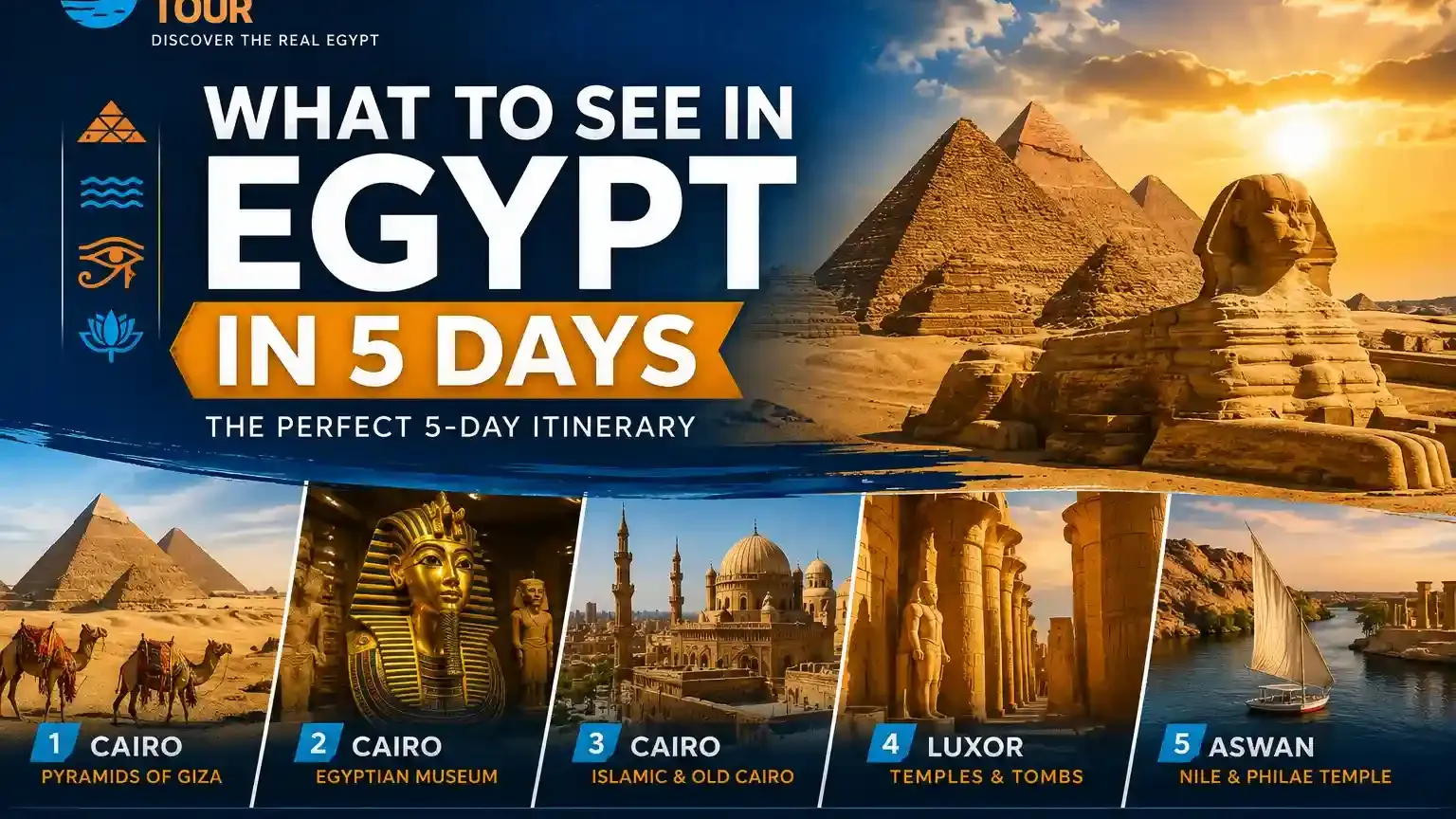
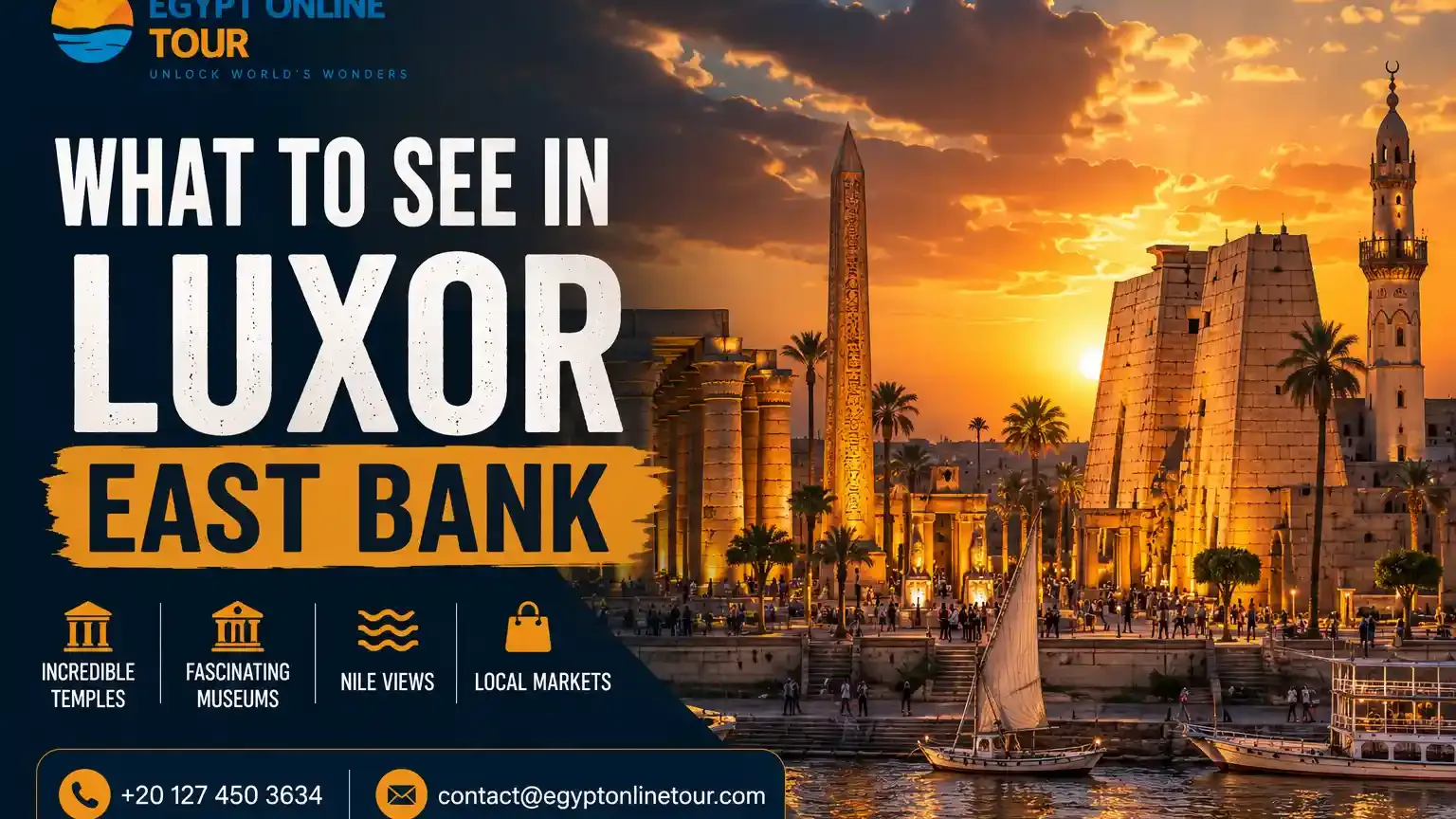
Most travelers ask the same question before arriving in Luxor: What to see in Luxor East Bank? Start with Karnak Temple and Luxor Temple, then add Luxor Museum, the Mummification Museum, the Nile Corniche, and Luxor Souq if time allows. This guide explains what to visit first, how long each stop takes, the best visiting times, ticket planning, and practical local tips to help you avoid common mistakes and enjoy a smoother East Bank experience.
What Is the East Bank of Luxor?
The East Bank of Luxor is the main city side on the eastern bank of the Nile. This is where travelers find Karnak Temple, Luxor Temple, museums, hotels, markets, transport links, and Nile views.
In ancient Thebes, Egyptians connected the east side with life, worship, temple rituals, processions, and daily activity. The west side was linked with royal tombs, funerary temples, desert landscapes, and the setting sun.
This simple difference helps you understand Luxor faster:
If your trip is short, What to see in Luxor East Bank should focus on Karnak Temple Complex, Luxor Temple, and Luxor Museum or the Mummification Museum. Add the Nile Corniche and Luxor Souq if you want a fuller city feel beyond temples and ticket gates.
If you have another morning in Luxor, add a Luxor West Bank Tour to see the Valley of the Kings, Hatshepsut Temple, and Colossi of Memnon without rushing both sides in one day.
Why Visit Luxor East Bank?
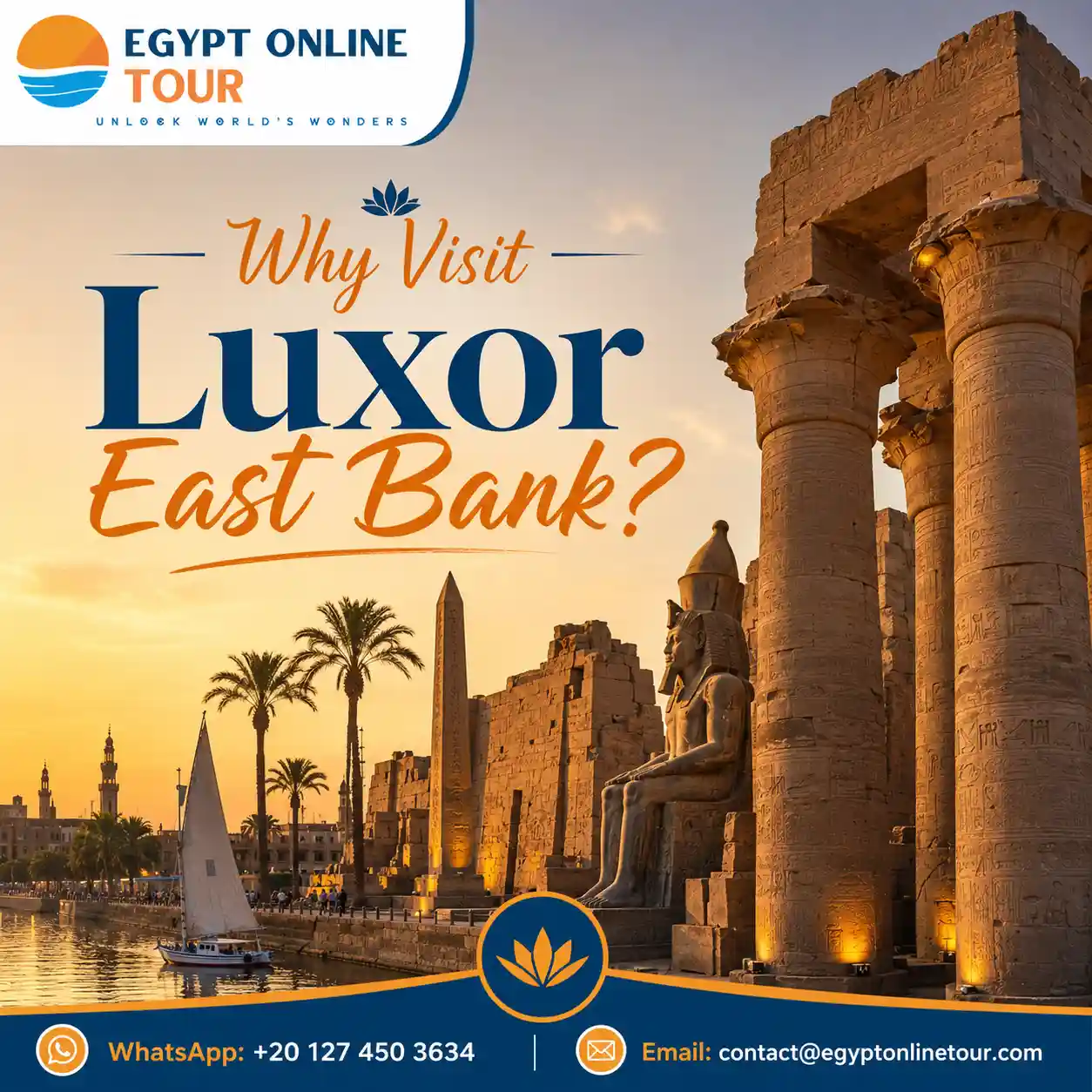
You should visit Luxor East Bank because it gives you the clearest introduction to ancient Thebes in one easy area.
In a short distance, travelers can find:
- Karnak Temple
- Luxor Temple
- Museums
- Nile views
- Transport links
- Evening activities close together
A common mistake is treating the East Bank as a quick stop before the West Bank. Do not rush it. Karnak Temple and Luxor Temple explain the religious life of ancient Thebes, especially the Opet Festival route between both temples.
For a smooth first visit, book the Tour of the East Bank in Luxor if you want Karnak Temple, Luxor Temple, hotel pickup, and guided explanations without wasting time on transport.
Look at: How to Spend a Night in Luxor
What to see in Luxor East Bank
The main things to see in Luxor East Bank are Karnak Temple, Luxor Temple, Luxor Museum, the Mummification Museum, the Avenue of Sphinxes, the Nile Corniche, and Luxor Souq.
For a first visit, start with the temples, then add one museum and one relaxed city stop if time allows. This order keeps the day clear, avoids rushing, and helps you understand the East Bank as a connected route, not separate photo stops.
Use this table to plan your day fast:
Karnak Temple Complex
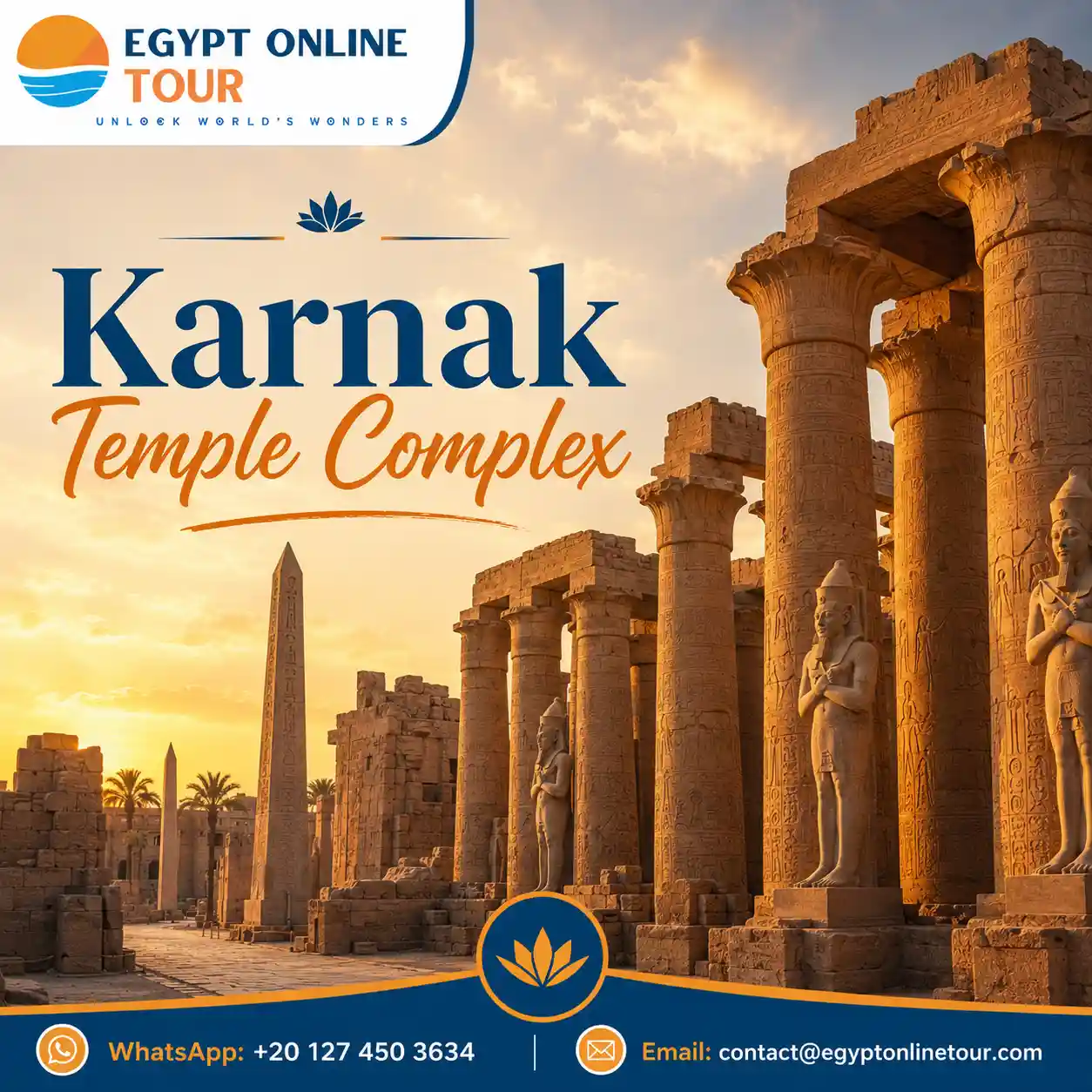
Karnak Temple Complex is the most important East Bank site because it shows the scale, power, and religious life of ancient Thebes.
Start here if you want the East Bank route to make sense from the beginning. Karnak is not one temple. It is a vast sacred complex with:
- Pylons
- Chapels
- Obelisks
- Courtyards
- Statues
- Processional paths
- The famous Great Hypostyle Hall
The Ministry of Tourism and Antiquities describes Karnak as Ipet-Sut, meaning “The Most Select of Places.” It was the main cult center of Amun of Thebes and a key religious site in ancient Egypt.
Karnak and Luxor Temple were linked by a sphinx-lined ceremonial route used during the Opet Festival. This is why the East Bank works best as one connected route, not separate stops.
Do not stay only near the first court. Walk deeper into the complex to see how different rulers added their marks across centuries.
Read more about: How to Enjoy A Luxury Vacation in Egypt
Local Guide Tip
Stand near the side of the Great Hypostyle Hall before walking through the middle. This angle helps you feel the scale and take cleaner photos with less crowd pressure.
Great Hypostyle Hall
The Great Hypostyle Hall is the highlight of Karnak Temple. It has 134 columns, with the tallest central columns rising about 21 meters. Walk through it slowly, then step to the side to feel the full scale without the heaviest crowd pressure.
Sacred Lake
The Sacred Lake sits inside Karnak Temple, where priests used water for ritual purification. It is a short stop, but it helps visitors understand that Karnak was not only a monument. It was an active religious complex with ritual spaces, processional routes, and daily temple life.
Avenue of Sphinxes at Karnak
The Avenue of Sphinxes at Karnak is the first place where many visitors notice the ceremonial link between Karnak Temple and Luxor Temple.
This section helps you understand how processions began from the Karnak side during major temple festivals. You do not need to walk far here. A short stop is enough before moving deeper into Karnak Temple.
Learn more: How to Visit the Avenue of Sphinxes in Luxor
Luxor Temple
Luxor Temple is the best East Bank site for sunset and night visits. It stands in the heart of the city, close to the Nile, hotels, cafés, restaurants, and the Corniche.
It is also one of the essential answers to What to see in Luxor East Bank because it connects ancient ceremonies with modern city life.
This temple feels different from Karnak. Karnak shows the scale of Amun’s religious power, while Luxor Temple feels more intimate. It was tied to royal renewal, city life, and the Opet Festival route between both temples.
Best Time to Visit Luxor Temple
Visit near sunset or after dark.
Arrive about 30 minutes before the lights turn on. You can see the temple first in natural light, then watch the columns, statues, and courts change as night falls.
Field Note
On a recent East Bank visit, arriving before sunset made the timing feel right. The temple looked clear in daylight first, then the lighting gave the whole site a warmer and calmer mood after dark.
The official monument page states that Luxor Temple was called Ipet-resyt, or “Southern Sanctuary.” It also explains that the temple stands about three kilometers south of Karnak and was oriented toward it because of the Opet Festival.
Take a look at: Best Months to Visit Egypt
Abu El-Haggag Mosque Inside Luxor Temple
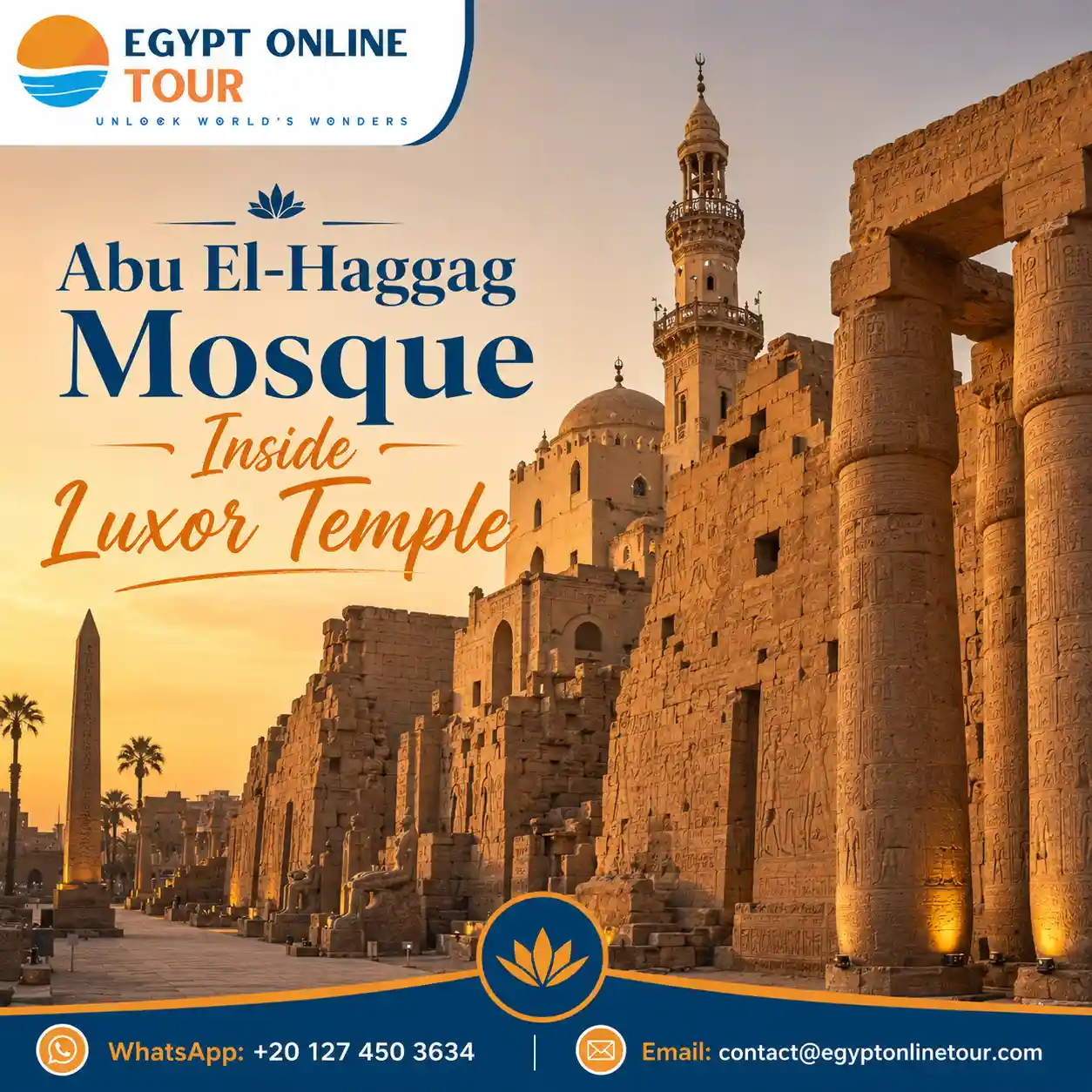
Abu El-Haggag Mosque gives Luxor Temple real depth. Many visitors come for pharaonic history only, then feel surprised to see an active Islamic heritage site inside the temple area.
This is not a strange addition. It is part of Luxor’s long life as a living city.
The Institute for the Study of Ancient Cultures notes that the mosque stands within the court of Ramesses II and reflects worship at Luxor Temple across almost 35 centuries.
This adds:
- An Islamic heritage layer inside an ancient Egyptian temple
- A clear example of continuous worship in one place
- A better understanding of Luxor as a living city
- More meaning than a simple walk through ruins
Traveler Tip
Respect the mosque as an active religious site. Dress with care, keep your voice low nearby, and do not treat it only as a photo spot.
Luxor Temple at Night
Luxor Temple at night is one of the strongest East Bank experiences. The lighting makes the stone warmer, the statues more powerful, and the courts calmer than they feel during the day.
Best For
This visit works well for sunset photos, evening walks, and travelers who want a softer temple atmosphere after the heat drops.
Avenue of Sphinxes Between Karnak and Luxor Temple
The Avenue of Sphinxes connects Karnak Temple and Luxor Temple into one story.
Many travelers see both temples as separate stops, but the route explains how the ancient procession moved between them during the Opet Festival.
For more history and walking tips, read our guide to the Avenue of Sphinxes in Luxor.
Luxor Museum
Luxor Museum is the best indoor stop on the East Bank for travelers who want clear context, high-quality artifacts, and a calm break from outdoor sightseeing.
It is a smart addition to What to see in Luxor East Bank when you want history without another long temple visit.
Ticket Note
The official e-ticket page lists Luxor Museum tickets at EGP 400 for foreign adults and EGP 200 for foreign students. Opening times can include morning and evening sessions that vary by season.
Mummification Museum
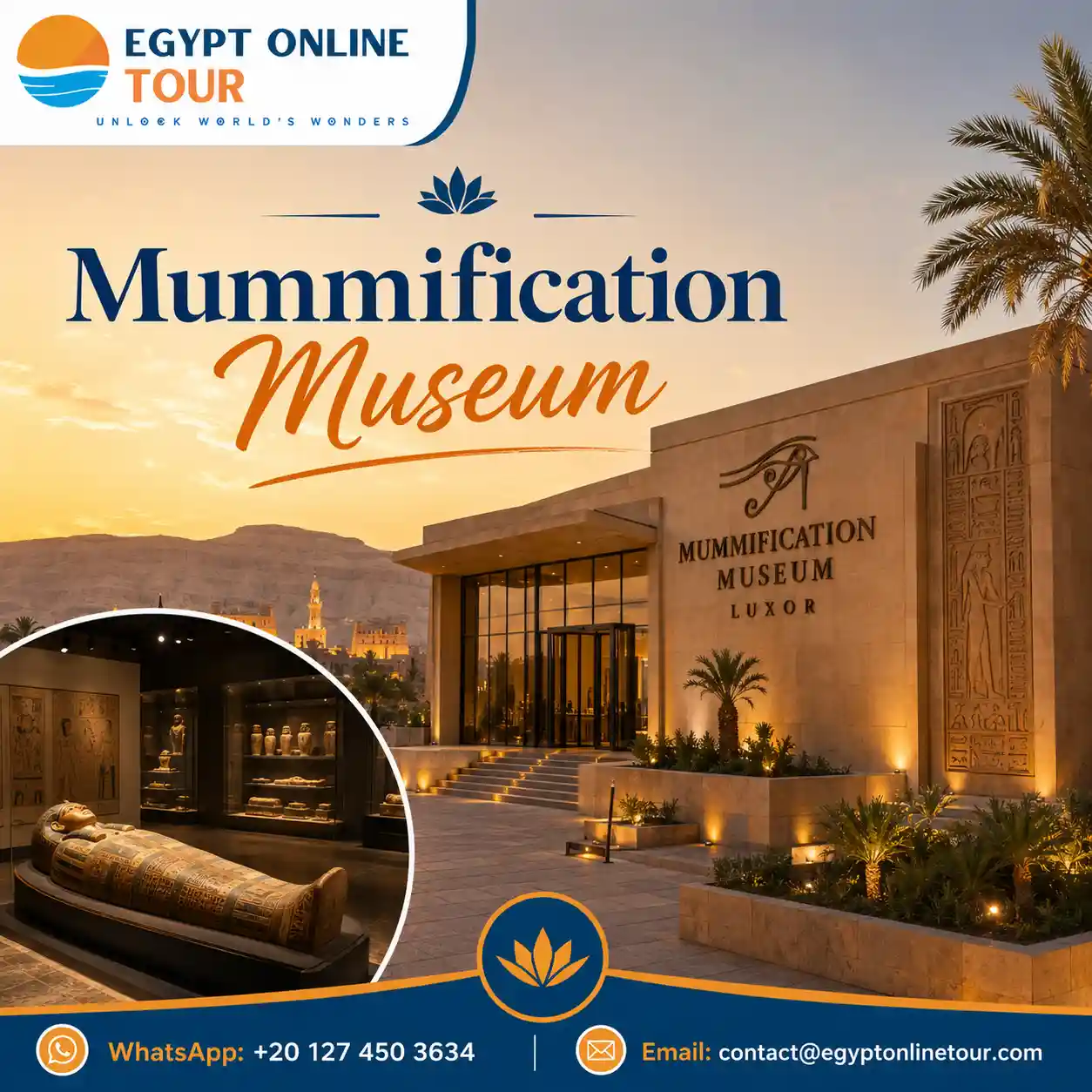
The Mummification Museum is a short, focused museum that explains how ancient Egyptians preserved bodies and prepared for the afterlife.
Add it if you want useful context before visiting the West Bank tombs on a Luxor West Bank Tour.
Why It Matters
The Ministry of Tourism and Antiquities states that mummification took around 70 days. The process included removing organs, drying the body with natron, wrapping it in linen, and placing amulets inside the wrappings.
Nile Corniche in Luxor
The Nile Corniche in Luxor is the best free East Bank stop for sunset views, short walks, feluccas, and a calm break between sightseeing.
Visit near sunset if you can. The light over the Nile softens, feluccas move across the water, and the West Bank hills become clearer as the day cools down.
For a balanced list of What to see in Luxor East Bank, the Corniche adds a local city feel after temples and museums.
Best For
- Sunset views
- Short walks
- Felucca photos
- A relaxed break between sites
- Seeing how close Luxor Temple is to the Nile, ferry area, hotels, cafés, and local streets
Local Tip
Keep this stop simple. You do not need a long visit. A 30 to 60-minute walk is enough before dinner, Luxor Temple at night, or a short souq visit.
If you want a wider plan beyond the East Bank, read our guide on what is there to do in Luxor before choosing your final route.
Luxor Souq and Local Markets

In the evening, Luxor Souq becomes a lively place to explore, with stalls selling spices, scarves, handmade souvenirs, and local goods. It is a good stop if you want to experience Luxor’s everyday atmosphere beyond the temples.
Luxor Souq adds daily life to your East Bank visit.
You will find:
- Spices
- Scarves
- Alabaster-style souvenirs
- Galabeyas
- Oils
- Small gifts
- Plenty of shopkeepers ready to talk
Best time to go: evening.
The heat drops, the streets feel livelier, and the visit becomes easier after temples and museums. Local shopping tip: agree on the price before you accept tea, a scarf demonstration, or a longer shop talk. Keep the exchange friendly, but know your budget first.
The souq adds local life after temples and works well at the end of an East Bank day.
Best East Bank Itinerary in Luxor
The best East Bank itinerary starts with Karnak in the morning, adds museums during hotter hours, and ends with Luxor Temple, the Corniche, or the souq in the evening.
Do not copy a fixed route without thinking about heat, hotel location, or museum opening breaks. From real East Bank tour planning, this order keeps the visit comfortable and helps travelers understand the temples instead of rushing through them.
Use these plans to choose your East Bank route without wasting time or moving back and forth across the city.
Half-Day Luxor East Bank Itinerary
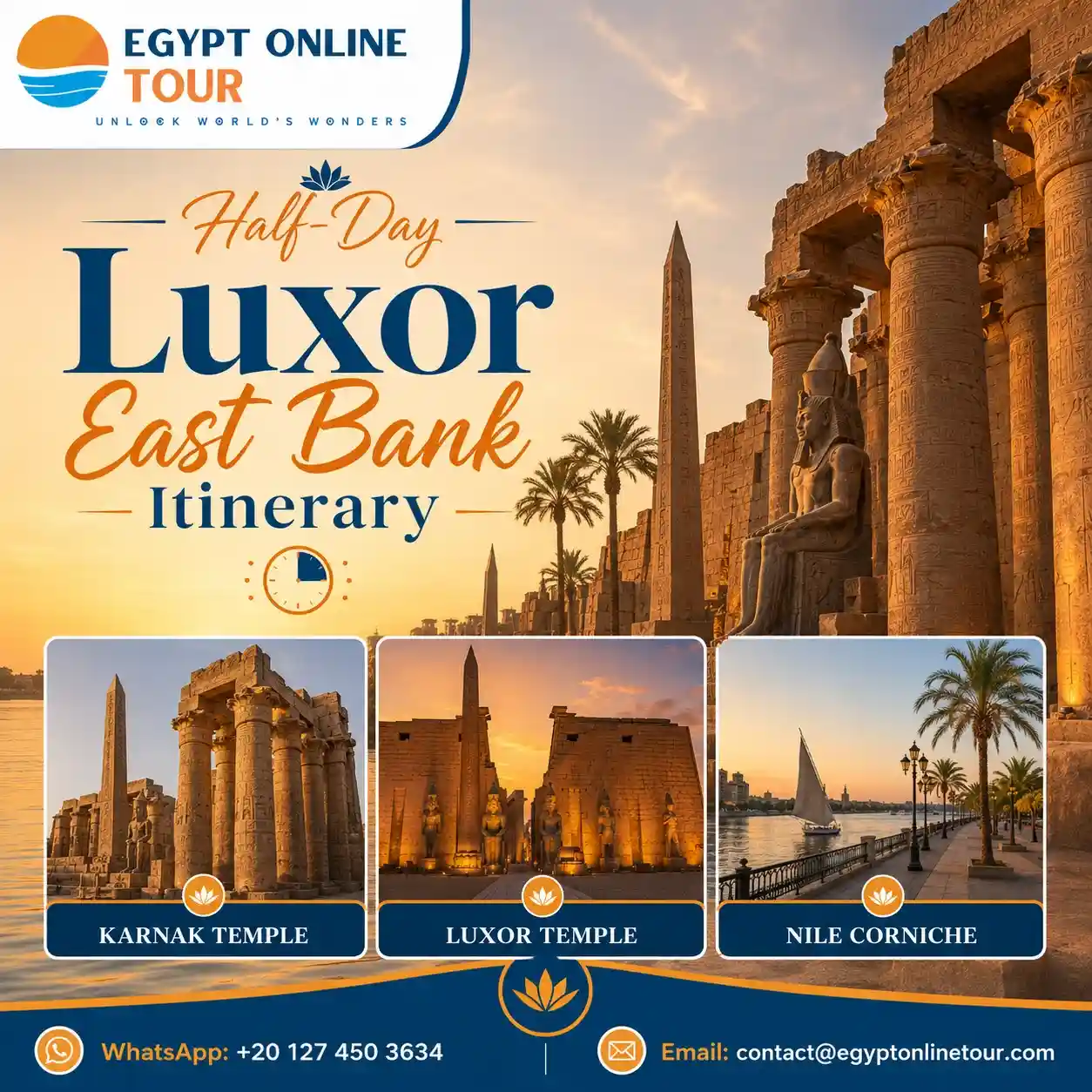
A half-day route works well for cruise travelers, train arrivals, or visitors with limited time.
Suggested route:
Skip the museums on a half-day plan unless you have already visited Karnak before.
Karnak and Luxor Temple should come first because they give the strongest East Bank experience.
Travelers coming from Aswan can choose a Luxor day tour from Aswan if they want Karnak Temple, Luxor Temple, and guided transfers in one organized day.
One-Day Luxor East Bank Itinerary
A full day gives you a better pace.
You can see the temples, add museum context, rest during the hottest hours, and still enjoy Luxor Temple at night.
Suggested plan:
This route works because it protects your energy.
Many travelers try to push through the whole East Bank without rest. That makes Karnak feel rushed and Luxor Temple feel tiring. A slower plan gives each stop its right mood.
Read about: How many days in Egypt first time
Evening East Bank Itinerary
An evening route is ideal after a West Bank morning or a late arrival in Luxor.
Best evening flow:
- Walk the Corniche before sunset
- Enter Luxor Temple after the lights turn on
- Walk by the nearby stretch of the Avenue of Sphinxes to see how Luxor Temple was once connected to Karnak Temple.
- Finish with dinner or a short souq walk
This plan suits travelers asking What to see in Luxor East Bank after a full day of tombs, valleys, and desert heat.
It is light, easy, and still feels complete.
Luxor East Bank vs West Bank
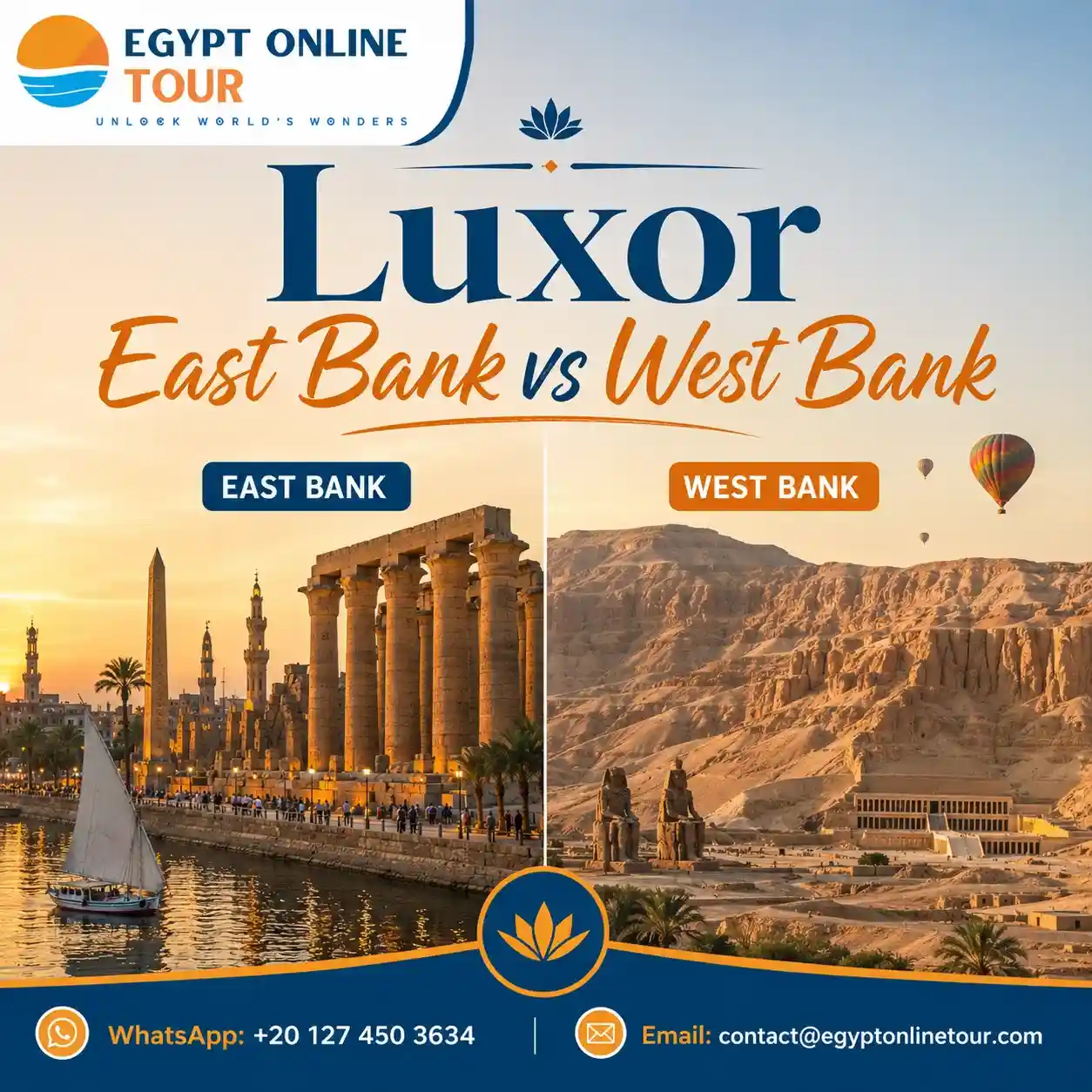
Luxor East Bank is best for temples, museums, hotels, and evening walks, while the West Bank is best for tombs, mortuary temples, and desert archaeology.
If you have one day in Luxor, visit the West Bank early and save Luxor Temple for night.
With two days, give each side its own time: one day for the West Bank, and one day for Karnak, Luxor Temple, museums, the Corniche, and the souq.
If you have another morning, add a Luxor West Bank Tour to see the Valley of the Kings, Hatshepsut Temple, and Colossi of Memnon without rushing both banks.
Travelers who prefer private guiding, stronger hotels, and smoother planning can compare Egypt luxury tours before choosing the best season for Luxor and the rest of Egypt.
Do not forget to vist Deir el Bahri
How to Visit Luxor East Bank
The easiest way to visit Luxor East Bank is with a guide or private driver for Karnak and Luxor Temple, then walking around the Corniche, souq, and central areas.
Planning transport before you start makes the East Bank much easier.
The best way to move depends on your travel style:
A guide adds real value at Karnak.
Without context, the complex can feel like a maze of columns, pylons, and courtyards. A good guide explains the Opet Festival, Roman layers, Islamic heritage, and why the East Bank worked as a connected sacred city.
For a smoother route, start at Karnak, move back toward the museum area, then finish near Luxor Temple, the Corniche, and the souq.
This order helps you plan your East Bank day without crossing the same streets again and again.
If you want to compare private daily options, browse Egypt Day Tours and choose a route that matches your hotel, cruise schedule, and travel pace.
Best Time to Visit Luxor East Bank
The best time to visit Luxor East Bank is from October to April, with Karnak in the morning and Luxor Temple at sunset or after dark.
Summer visits still work, but you need early starts, indoor breaks, and evening sightseeing.
Use this simple timing plan:
Do not plan every outdoor stop in the middle of the day.
A better rhythm is simple: temples early, museums when the heat rises, then Luxor Temple and the Corniche after sunset. This makes What to see in Luxor East Bank feel easier, clearer, and more enjoyable.
Luxor East Bank Tickets and Opening Hours
Luxor East Bank tickets and opening hours vary by site and season, so check the official e-ticket platform before visiting Karnak, Luxor Temple, and the museums.
Current official e-ticket pages list these prices for foreign visitors:
Before you go, confirm ticket prices, payment rules, and museum hours on the official e-ticket platform, as updates can happen by season or local decision.
Bring:
- A bank card
- A valid student ID if you need the student rate
- Water
- A hat
- Small cash for local purchases
Most major sites now rely on electronic payment, while small shops, toilets, tips, taxis, and market stalls may still need cash.
Estimated daily budget for Luxor East Bank:
Estimated full-day budget: EGP 1,500–3,500 per person, depending on guide service, meals, transport, and shopping.
Travelers watching their costs can also use this Egypt Budget Travel Itinerary to compare Luxor with Cairo, Aswan, and Nile Cruise planning.
Smart planning tip:
Check the official e-ticket platform before your visit, because prices, payment rules, and opening hours can change by season, holiday, or local decision.
How Long Do You Need on Luxor East Bank?
You need at least half a day for Luxor East Bank, but one full day is better if you want temples, museums, the Corniche, and the souq without rushing.
A full day gives you a better pace, especially if your plan includes temples, museums, the Corniche, and the souq. If you are planning your full stay, this guide on how many days in Luxor helps you decide whether one, two, or three days fit your travel style.
Use this guide:
If you want Luxor and Aswan without planning every transfer yourself, a 4 Days Nile Cruise from Cairo by Flight gives you temples, Nile views, and guided sightseeing in one route.
For families, keep the plan lighter.
Karnak Temple, Luxor Temple at night, and the Mummification Museum usually work better than a packed museum-heavy day.
If you are planning What to see in Luxor East Bank with children, add breaks between stops and avoid long outdoor walks at midday.
A rushed East Bank visit can feel tiring. A well-paced route makes the temples easier to understand and the whole day more enjoyable.
For a longer overland route that includes Cairo, Luxor, Aswan, and Abu Simbel, the 8 Days Cairo to Abu Simbel and Back Overland tour gives travelers a wider Egypt plan without arranging each city separately.
Tips for Visiting Luxor East Bank
The best tips for visiting Luxor East Bank are simple: start early, avoid midday heat, use a guide at Karnak, carry water, and save Luxor Temple for evening.
Start with Karnak in the morning, especially from May to September. The site is large, open, and tiring once the sun gets stronger.
Keep Luxor Temple for sunset or after dark. The light is softer, the heat is lower, and the temple feels more atmospheric at night.
Guide Tip
A licensed guide is worth it at Karnak. Without context, the complex can feel like giant walls and columns. With the right explanation, you understand the Opet Festival, temple axes, sacred spaces, and royal additions.
Best Photo Timing
Visit Karnak’s Great Hypostyle Hall early, Luxor Temple after sunset, the Nile Corniche at golden hour, and the Avenue of Sphinxes before sunset.
If you want one more sunrise photo experience in Luxor, read Is a Hot Air Balloon Ride in Luxor Worth It before adding a West Bank balloon ride to your plan.
These timing choices make What to see in Luxor East Bank easier to enjoy, especially on a first visit.
Common Mistakes to Avoid
- Treating Karnak as a one-hour photo stop
- Visiting Luxor Temple only at midday
- Ignoring Luxor Museum
- Skipping midday rest in summer
- Missing the Corniche completely
- Booking every outdoor stop back-to-back
Safety Tip
Do not buy anything sold as an “original antiquity.” Selling real antiquities is illegal. Treat market pieces as modern souvenirs, not authentic ancient objects.
Is Luxor East Bank Worth Visiting?
Yes, Luxor East Bank is worth visiting because it brings Karnak Temple, Luxor Temple, museums, Nile views, and local markets together in one easy area.
This side of Luxor helps you understand ancient Thebes before crossing to the West Bank. Karnak shows religious power, Luxor Temple adds ceremony and city life, while the museums give useful context between outdoor visits.
Best Short Plan
For a short visit, choose Karnak Temple in the morning and Luxor Temple at night.
With one full day, add Luxor Museum, the Mummification Museum, a sunset walk on the Corniche, and a short souq visit.
Extended Egypt Route
For a fuller Egypt route, the 7 Day Egypt Tour Cairo Nile Cruise and Luxor Temples connects Cairo, Luxor, and the Nile in one balanced itinerary.
To know more about its woth to visit egypt read this guide: Visiting Egypt for the First Time
Conclusion
What to see in Luxor East Bank includes Karnak Temple Complex, Luxor Temple, Luxor Museum, the Mummification Museum, the Nile Corniche, Luxor Souq, and the Avenue of Sphinxes.
Start with Karnak in the morning, take an indoor museum break during hotter hours, walk the Corniche at sunset, and visit Luxor Temple after dark.
This route gives first-time visitors history, comfort, Nile views, and local city life in one balanced day.