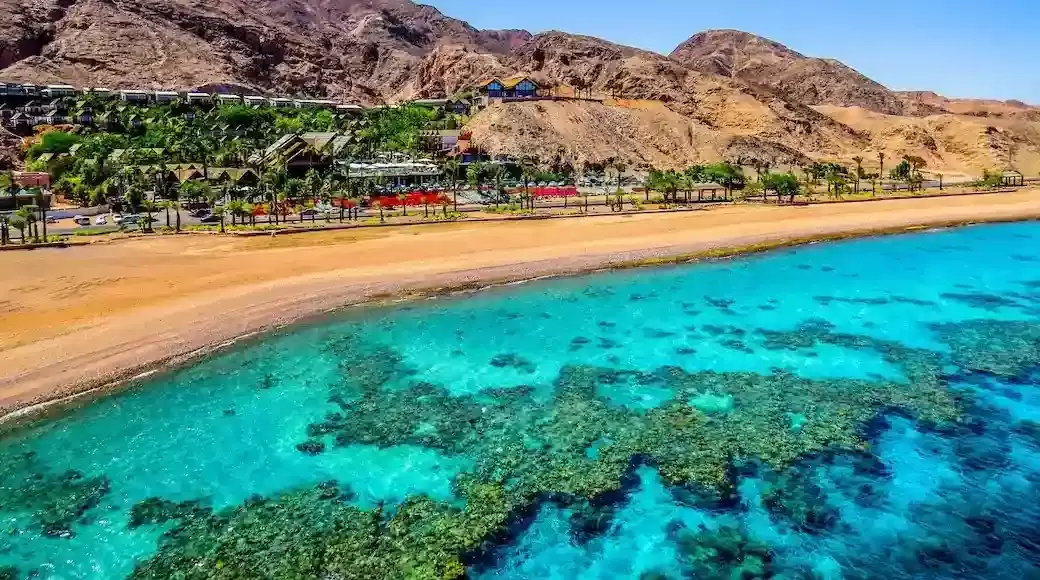
The best Red Sea beaches in Egypt are on two coasts: the mainland coast from El Gouna and Hurghada south to Marsa Alam, and the South Sinai coast from Sharm El Sheikh to Dahab. Hurghada and Sharm have the most hotels and the easiest reefs, Marsa Alam has the quietest sand and the best chance of seeing turtles and dugongs, and Dahab is the relaxed choice for snorkellers and windsurfers. The sea stays swimmable all year, from about 21 °C in February to 28 °C in August.
We send guests to the Red Sea every week, usually after the pyramids and a Nile cruise. Below is how the beach areas really differ, which ones suit families, snorkellers or couples, and what to know before you lay your towel down.
Red Sea beaches at a glance
| Beach area | Coast | Best for | Character |
|---|---|---|---|
| Hurghada | Mainland | First visits, families, boat trips to the islands | Busy, many hotels, shallow sandy beaches |
| El Gouna | Mainland, north of Hurghada | Kitesurfing, couples, car-free lagoons | Planned town on lagoons, calm water |
| Makadi Bay and Soma Bay | Mainland, south of Hurghada | All-inclusive stays, house reefs | Self-contained resort bays |
| Safaga and El Quseir | Mainland | Divers, windsurfers, quiet stays | Small towns, few crowds |
| Marsa Alam | Mainland, far south | Turtles, dugongs, untouched beaches | Remote, resorts spread along the coast |
| Sharm El Sheikh | South Sinai | Reefs from the shore, Ras Mohammed, nightlife | Large resort city, coral right off the beach |
| Dahab | South Sinai | Snorkelling, windsurfing, budget and long stays | Laid-back town, reef along the promenade |
Hurghada beaches
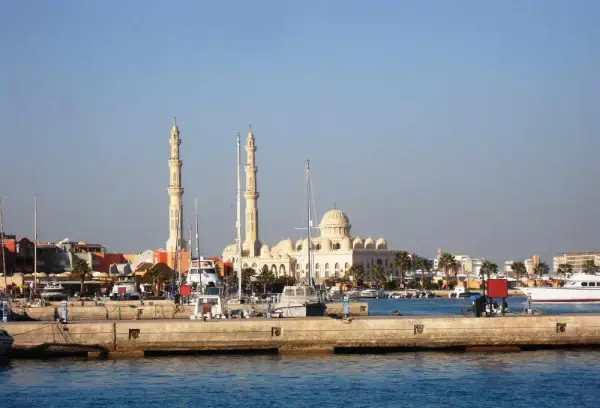
Hurghada is the busiest beach town on the mainland coast, with its own international airport and a long line of hotels from the north end to Sahl Hasheesh in the south. Most hotels have their own beach with a jetty that takes you over the shallow reef flat to deeper water. The town beaches are sandy and gentle, which makes Hurghada easy for children. From Hurghada, our one-day flight trip to Cairo reaches the Pyramids and the Grand Egyptian Museum and returns the same evening.
The islands off Hurghada
The best sand near Hurghada is offshore. Boat trips go to Giftun Island and the sandbars of Orange Bay and Mahmya, with white sand and turquoise shallows, and stop at reefs on the way for snorkelling. Our guide on whether Giftun Island is worth visiting explains the different boat options, and the best beaches in Hurghada for snorkelling lists the reefs you can reach from the shore.
El Gouna beaches
El Gouna, about 25 km north of Hurghada, is a planned resort town built around lagoons and canals. The water is calm and shallow, so it suits small children and beginner swimmers, and the steady wind on the open beaches has made it Egypt's kitesurfing centre. Mangroovy Beach and Zeytuna Beach are the best known. You get around by tuk-tuk, bike or boat, and the marina has restaurants for the evening.
Makadi Bay, Soma Bay and Sahl Hasheesh
South of Hurghada the coast opens into resort bays where every hotel sits on its own beach. Makadi Bay and Sahl Hasheesh have good house reefs reachable by jetty. Soma Bay, on a peninsula further south, is windier and popular with kitesurfers and golfers. These bays are the place for a week of all-inclusive rest, but there is little life outside the hotels.
Safaga and El Quseir
Safaga, about an hour south of Hurghada, is a port town with steady wind and good dive sites; it is one of the stops on the coast where we place travellers who want a quieter beach. El Quseir, further south, is an old port with an Ottoman fort, low-rise hotels and reefs in front of most beaches. Both are calmer than Hurghada and good value.
Marsa Alam beaches
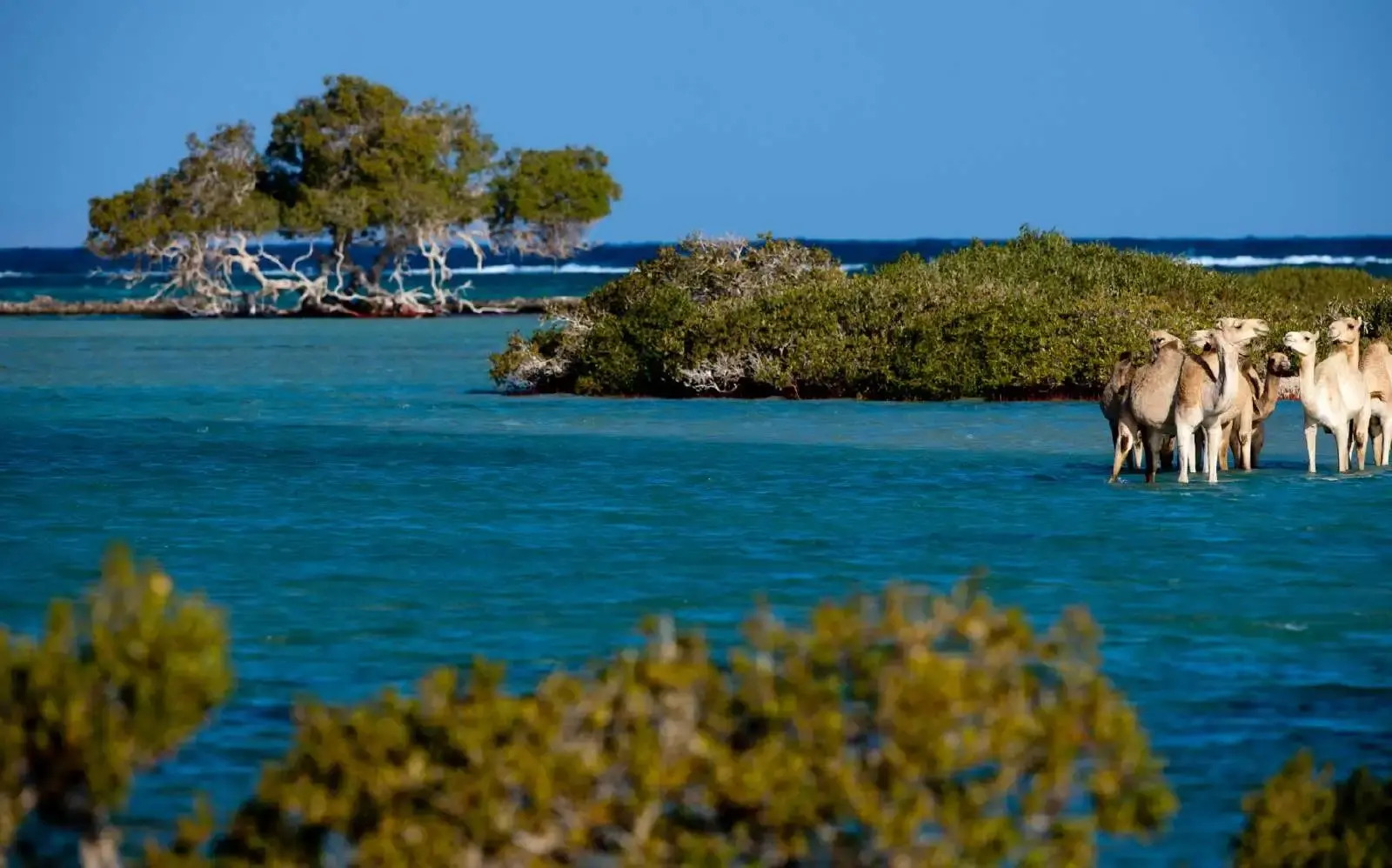
Marsa Alam is the southern end of the mainland resort coast, about three and a half to four hours by road from Hurghada, with its own international airport. The hotels are spread along a long, empty coast, and the beaches are the most natural on the Egyptian Red Sea.
- Abu Dabbab Bay: a sandy bay with seagrass where green turtles feed and, with luck, a dugong. Snorkel with a guide and keep your distance from the animals.
- Sharm El Luli: a lagoon with white sand and very clear shallow water inside the Wadi El Gemal protected area, reached by a day trip from the resorts.
- Port Ghalib: a marina with restaurants and boat trips to offshore reefs.
From May to October green and hawksbill turtles nest on the beaches around Marsa Alam. Our article on Wadi El Gemal National Park covers the protected area, and Marsa Alam vs Hurghada helps you choose between the two.
Sharm El Sheikh beaches
Sharm El Sheikh, at the southern tip of Sinai, has the reefs closest to the shore of any Egyptian resort: in many hotels the coral starts a few metres from the beach. The trade-off is that the beaches themselves are often narrow, and you enter the water by pontoon rather than walking in.
- Naama Bay: the central bay with a sandy beach, calm water and the town's promenade of restaurants and bars. Read things to do in Naama Bay.
- Sharks Bay and Ras Um Sid: resort beaches with excellent reef snorkelling straight from the jetty.
- Nabq Bay: the northern hotel zone beside the Nabq Protected Area, with wider sandy beaches and mangroves.
- Ras Mohammed National Park: the reefs at the very tip of Sinai, reached by boat or by car, with some of the best snorkelling in the Red Sea.
Dahab beaches
Dahab, about 90 km north of Sharm El Sheikh, is a small town on the Gulf of Aqaba where the reef runs right along the promenade. The Lighthouse reef and Eel Garden are easy snorkels from the shore, the Blue Lagoon to the north is one of the best flat-water spots for windsurfing and kitesurfing, and the town has a slower, independent feel. Dahab suits travellers who want a week of snorkelling, cafes and desert trips rather than a large hotel. See how to spend a week in Dahab.
When is the best time for Red Sea beaches?
The Egyptian Red Sea is a year-round beach destination, but the months feel very different. These are long-term averages for Hurghada; Sharm El Sheikh is similar and Marsa Alam is about a degree warmer.
| Season | Sea temperature | Daytime air | Our advice |
|---|---|---|---|
| December to February | 21 to 23 °C | 22 to 24 °C | Sunny and pleasant on the beach; the water feels cool, bring a shorty wetsuit for long snorkels. Evenings are chilly. |
| March to May | 21 to 24 °C | 26 to 34 °C | Excellent beach weather; occasional hot, dusty khamsin wind in spring. |
| June to August | 26 to 28 °C | 36 to 38 °C | Warmest water, very hot sun. Beach early and late, shade at midday. |
| September to November | 25 to 27 °C | 28 to 35 °C | The best balance: warm sea, softer heat, fewer families after the school holidays. |
The wind is part of the Red Sea: it blows most afternoons, strongest in summer, which keeps the heat bearable and the kitesurfers happy but can make boat trips choppy. If you plan the beach after a Nile cruise in summer, see our guide on a summer vacation in Egypt.
Which Red Sea beach is right for you?
- Families with young children: El Gouna lagoons, Makadi Bay or a Hurghada hotel with a sandy, shallow beach.
- Snorkelling from the shore: Sharm El Sheikh, Dahab, or a Marsa Alam hotel with a house reef.
- Turtles and dugongs: Marsa Alam, especially Abu Dabbab.
- Kitesurfing and windsurfing: El Gouna, Soma Bay, Safaga and Dahab.
- Combining the beach with Luxor: Hurghada, about four hours by road from Luxor.
- Combining the beach with Cairo: Sharm El Sheikh or Hurghada, each one hour by air from Cairo.
Beach tips from our guides
- Wear reef shoes and enter the water from the jetty or a sandy channel. Coral cuts heal slowly, and stonefish and sea urchins sit on the reef flat.
- Do not touch or stand on coral, and do not feed fish. Rangers fine visitors in the protected areas.
- Use reef-safe sunscreen and a rash vest. The sun reflects off the water and burns faster than people expect, even in winter.
- Swimwear is fine on hotel and resort beaches. On public town beaches local families swim in more covered clothing, so bring a cover-up.
- Public beaches charge a small entry fee and hotel day-use passes vary a lot; ask at reception before you go.
- Follow the flags. Currents at the reef edge can be strong on windy afternoons.
Plan it with us
Most of our guests add the Red Sea to a classic itinerary, like the 11-day Cairo, Nile cruise and Red Sea tour. Already on the coast? Browse our Hurghada day tours or book the Ras Mohamed boat trip and White Island from Sharm El Sheikh.
Red Sea beaches: quick answers
Which is the best Red Sea beach in Egypt?
It depends on what you want: Sharm El Sheikh and Dahab for reefs from the shore, Marsa Alam for quiet natural beaches and turtles, El Gouna and Hurghada for families.
Can you swim in the Red Sea in winter?
Yes. The sea is about 21 to 23 °C from December to February, cool but swimmable on sunny days.
Is Hurghada or Sharm El Sheikh better for beaches?
Hurghada has wider, shallower sandy beaches; Sharm El Sheikh has narrower beaches but much better coral right from the shore.
Where can you see turtles in the Red Sea?
Abu Dabbab Bay near Marsa Alam is the best-known place to snorkel with green turtles; dugongs are seen there occasionally.
Ahmed Samir writes and updates the Egypt travel guides of Egypt Online Tour, a licensed tour company based in Cairo (ETAA licence 1466). Our travel advisors review each guide before it is published.
All guides by Ahmed Samir