Standard
Standard hotelsComfortable, well located
$525per person
- Siwa Oasis 2 nights

A private three-day road trip from Cairo to Siwa, the remote oasis near the Libyan border: El Alamein on the way out, a full day for Shali, the Oracle Temple, the Mountain of the Dead, Cleopatra's Spring and the salt lakes, and two nights in the oasis on half board.
Siwa lies in the Western Desert about 50 km from the Libyan border, in a depression below sea level filled with palm groves, olive trees, springs and salt lakes. It was cut off from the Nile Valley for most of its history, and its people still speak their own Amazigh (Berber) language, Siwi, alongside Arabic. This private three-day trip takes you there and back by road from Cairo, with your own vehicle, driver and guide, and gives you one full day in the oasis.
The route follows the Mediterranean side of the desert: west from Cairo to El Alamein, where the North African campaign of the Second World War turned in 1942, then along the coast towards Marsa Matruh and south across the desert to Siwa. In the oasis you see the mud-brick fortress town of Shali, the Temple of the Oracle at Aghurmi, where Alexander the Great came to consult the god Amun, the ruined temple of Umm Ubayda, the painted tombs of the Mountain of the Dead, Cleopatra's Spring and the salt lakes, where the water is so salty that you float without effort.
The trip is built around one full day in the oasis, which is enough for the main historic sites and a swim in both a spring and a salt lake, at an unhurried pace. Siwa is small: the sites are a few kilometres apart, so the time in the oasis is spent on the ground rather than in the vehicle.
If you would rather spend more time in the oasis, add a night, a desert safari into the dunes of the Great Sand Sea, or a longer route through the other oases; see our Egypt adventure tours or ask for a tailor-made trip.
Day 1 and Day 3 are long driving days. Cairo to Siwa is roughly 800 km by this route, about 9 to 10 hours of driving plus stops, on good, mostly straight desert and coastal roads. The private vehicle is air-conditioned, with stops for coffee, toilets and lunch about every two to three hours.
The roads are paved all the way. From Cairo the route follows the desert road towards Alexandria and then the coastal road west to El Alamein and Marsa Matruh; from there a single road runs south through the desert to Siwa, about four hours with only a few cafés on the way. Mobile phone coverage is patchy on the desert stretch, so download maps and music before you leave Cairo.
Your guide and driver collect you from your Cairo hotel early in the morning, usually between 5 and 6 am, in a private air-conditioned vehicle. The road heads north-west out of the city towards the Mediterranean, through the flat gravel desert of the Western Desert. If breakfast is not yet open at your hotel, ask for a breakfast box the night before.
About three hours from Cairo you reach El Alamein, near the coast. In 1942 the British Eighth Army stopped Rommel's advance on Egypt here, and the Second Battle of El Alamein, in October and November, was the turning point of the war in North Africa. You visit the War Museum, with tanks, guns, uniforms, maps and soldiers' letters from both sides, and see the memorial area nearby. The Commonwealth War Cemetery at El Alamein holds the graves of thousands of soldiers from Britain, Australia, New Zealand, South Africa, India and other countries, laid out in quiet rows facing the desert. Allow about an hour for the stop, with time for coffee before the road west.
The road follows the coast west towards Marsa Matruh, then turns south into the open desert for the last stretch of about 300 km to Siwa. Lunch is on the way, at a roadside restaurant or as a picnic, with a desert view. Between El Alamein and Marsa Matruh the sea is often in sight, turquoise over white sand. After the turn south the landscape empties: flat gravel plains, low ridges and, as you near Siwa, the first salt flats and the green line of the palm groves below the escarpment. Police checkpoints along the road check passports, so keep yours to hand.
You reach Siwa in the late afternoon and stop at Shali, the old fortress town in the middle of the oasis. It was built in the early 13th century of kershef, blocks of salty mud from the lake shores, and its people lived inside its walls for safety until heavy rains in 1926 badly damaged the houses. The ruins rise in layers above the modern town; from the top you see the palm groves, the salt lakes and the desert ridges around them.
Check-in at your hotel in Siwa. Dinner is at the hotel, and the night is in Siwa. After a long day on the road, an early night is the best plan. If you still have energy, the small market square below Shali is lively in the evening, with shops selling dates, olive oil, baskets and embroidered scarves. The sky over the oasis is very dark, and on a clear night the stars are bright even from the edge of town.
After breakfast at the hotel you start with the temple of Amun at Umm Ubayda, built under Nectanebo II, one of the last native pharaohs, in the 4th century BC. An earthquake in 1811 and the removal of its stone for building in the late 19th century left only one decorated wall standing, but its reliefs and inscriptions are still clear.
A short drive away, the Temple of the Oracle stands on the rock of Aghurmi, the old village of the oasis. It was built in the 6th century BC, under the 26th Dynasty, and its oracle of Amun was famous across the Greek world. In 331 BC Alexander the Great crossed the desert to consult it, and by ancient accounts was greeted as the son of the god. From the top of the rock you look over the palm groves to the lakes. Your guide explains what the oracle was: priests interpreting the movements of the god's sacred boat, carried in procession, as answers to the questions put to it. Around the temple are the ruined houses of old Aghurmi, built like Shali in mud and salt.
Gebel al-Mawta, the Mountain of the Dead, is a low hill near Shali honeycombed with rock-cut tombs, used mainly from the Late Period to Roman times. The best preserved, such as the tomb of Si-Amun, still have painted scenes and colours; which tombs are open varies, and your guide checks on the day. The tombs were reused as shelters during the Second World War, when some paintings were found. The climb to the top of the hill is short and gives a wide view of Shali and the town. The paths are sandy and uneven, so closed shoes are best.
Cleopatra's Spring, also called Ain Juba, is a round stone pool fed by a natural spring in the palm groves. The name is a legend, but the swim is real: bring your swimwear. The water is clear and stays at a mild temperature all year, and you see bubbles rising from the spring at the bottom. Small cafés beside the pool sell drinks. Swim in modest swimwear; many local visitors swim fully clothed. Lunch follows at a local restaurant or as a picnic.
The day ends at the salt lakes, where salt is still worked in ponds of very clear, blue-green water between white banks of salt crust. The salt content is so high that you float on your back without effort. Keep the water away from your eyes and any small cuts, and rinse with fresh water afterwards. If you stay into the evening, the light over the lakes and the palm groves at sunset is the classic end to a day in Siwa.
Dinner is at your hotel, and the night is in Siwa. Pack tonight: tomorrow starts after breakfast with a long drive. If you would like to buy dates or olive oil to take home, your guide can stop at a shop on the way out of town in the morning.
The order of the visits may change with the temperature and the light: in summer the guide puts the swimming in the middle of the day and the walking sites in the morning and late afternoon. Bring a towel and a change of clothes in a day bag, and a small bottle of fresh water to rinse the salt off after the lake.
Breakfast is at the hotel, then you check out and set off north across the desert towards the coast, about four hours to Marsa Matruh. Leaving in daylight, you see the escarpment and the salt flats you crossed at dusk on Day 1, and the guide stops for photographs where the desert opens out. A rest stop with a café breaks the drive about halfway.
Lunch is at a local restaurant in Marsa Matruh, a Mediterranean town known for its white-sand beaches and very clear water. Fish and seafood are the local specialities. There is time for a short walk by the sea before the road east. Marsa Matruh has a long history: it was the Graeco-Roman port of Paraetonium, and Alexander the Great passed this way on his journey to the oracle at Siwa. In summer it fills with Egyptian holidaymakers; outside the summer months it is a quiet town.
The drive continues along the coast and back across the desert to Cairo, about five to six hours with a stop on the way. You are dropped at your hotel in the evening. Traffic on the way into Cairo is heaviest in the early evening, so the last part of the drive can be slow. Dinner is not included. This is the end of the trip.
If you have a flight the same evening, tell us when you book: the arrival time in Cairo depends on traffic, and an early-morning flight the next day is the safer choice.
Comfortable, well located
More space and better ships
Our highest level
Children pay less, see the children policy below. Christmas, New Year and Easter dates add 25%. Prices are per person in US dollars.
October to April is the best time. From December to February, days in Siwa are mild, around 19 to 22 °C, but nights in the desert are cold, sometimes close to 5 °C, so bring warm layers. March, April, October and November are the most pleasant months for swimming in the springs and salt lakes. From June to September, daytime temperatures often pass 38 °C; the trip still runs, with the sightseeing moved to early morning and late afternoon.
Many nationalities can buy a tourist visa on arrival at Cairo airport or apply for an e-visa in advance on Egypt's official portal, visa2egypt.gov.eg. The rules and the fee depend on your passport. Your passport should be valid for at least six months from the day you arrive. Carry it with you on this trip: there are police checkpoints on the roads to Siwa, and we may ask for a copy a few days before the trip. The visa is not included in the tour price.
The currency is the Egyptian pound. Siwa has few cash machines and many small shops and cafés take cash only, so bring enough cash from Cairo for drinks, souvenirs such as dates, olive oil and Siwan embroidery, and personal extras. Tips are not included in the price. The tipping guide in the travel policies below gives the usual amounts; how much you give is your choice.
Siwans are welcoming but private. Ask before photographing people, and do not photograph women; many Siwan women wear a full covering in public. Public displays of affection are best avoided. Friday is the day of prayer, when some shops close around midday. In the oasis many people get around by tuk-tuk, bicycle or donkey cart; your vehicle and guide take you between the sites, but a bicycle ride through the palm groves in the late afternoon is an easy optional extra.
Siwa is known for its dates and olives, grown in the gardens around the springs, and for simple home-style cooking: lentil soup, slow-cooked meat and vegetables, bread baked in the oasis and sweet mint tea. Restaurants are small and casual. Drink bottled water; the local spring water is sold bottled across Egypt, so it is easy to find. Hotels in Siwa range from simple eco-lodges built in the traditional kershef style to small modern hotels; some eco-lodges use little electric light at night, which is part of their character.
Planning more time in the oasis? Read our Siwa Oasis travel tips on what to do in Siwa Oasis.
All prices are per person in US dollars. The price changes with the season (winter 1 October to 30 April, summer 1 May to 30 September), the accommodation level and the size of the group. Christmas, New Year and Easter dates add 25%. Your quote lists the final price and everything it covers. After the deposit, changes to your itinerary cost US$25 per request, plus any third-party fees.
A deposit of 30% of the total tour cost is required at the time of booking. The final payment is due 30 days before departure, and bookings made within 30 days of departure are paid in full. We accept Visa or Master Card by secure online payment, Visa or Master Card by email, and wire transfer. We confirm every booking by email.
No-show travelers are charged 100%. During peak events in Egypt, hotels and Nile cruises do not refund deposits. Groups of more than 10 people may have different terms.
Add each child and their age in the enquiry form so the quote is exact.
Optional visits, such as a hot air balloon ride in Luxor, a Sound and Light show or a felucca ride, are not in the price. Tell us which ones you want and we add them to your quote with their cost.
Not included in the price: Egypt entry visa; International flights to and from Egypt; Drinks with meals; Personal expenses at the hotel or during the tours; Anything not named in the itinerary, such as a desert safari or sandboarding in the Great Sand Sea; Tips for the guide and driver.
Tipping is customary in Egypt and is not included in the price. A usual amount for a private tour is US$8 to 10 per person per day for your guide, US$4 to 5 for your driver and US$5 to 8 per person per day for the crew on a Nile cruise. Your guide can advise you on the day.
About 9 to 10 hours of driving each way, roughly 800 km via El Alamein and the coast near Marsa Matruh, plus stops. You leave Cairo early on Day 1 and arrive in Siwa in the late afternoon; on Day 3 you are back in Cairo in the evening. There are no flights to Siwa from Cairo.
Yes. Cleopatra's Spring is a natural spring pool, and in the salt lakes you float because the water is so salty. Keep the salt water out of your eyes and away from cuts, and rinse with fresh water afterwards. The water is pleasant from spring to autumn and cool in mid-winter. Siwa is conservative, so many women swim in a T-shirt and leggings or shorts.
No special permit is needed for Siwa town and the sites on this trip, but you must carry your passport for the police checkpoints on the road, and we may ask for a copy a few days before. Trips deep into the Great Sand Sea need extra arrangements; ask us if you want to add one.
Yes. Because the trip is private, you can add a night in Siwa for a 4x4 safari into the dunes, with sandboarding, a hot spring at Bir Wahed and sunset in the desert, or a day at the beaches of Marsa Matruh. The price changes with the nights and activities added.
Independent reviews on the platforms travelers already trust.
Amazing Egyptian vacation! We did an 11 day private tour of Cairo, cruise on the Nile between Aswan and Luxor and a 4 day stay in Hurghada. The guided tours were very interesting, with extremely knowledgeable guides, attentive and helpful.
Egypt package to the Pyramids of Giza and Saqqara was a fascinating journey through Egypt's ancient past ,guide knowledge, the majesty of the pyramids, and the historical depth of Saqqara made this tour truly enriching!
our honeymoon to Egypt ,Giza and Saqqara was a magical escape into history The pyramids looming in the distance, the quiet serenity of the desert, and the ancient wonders of Saqqara created moments that will be with me forever!
From the same category, with the same private service.

Answers to the questions travelers ask before they book.

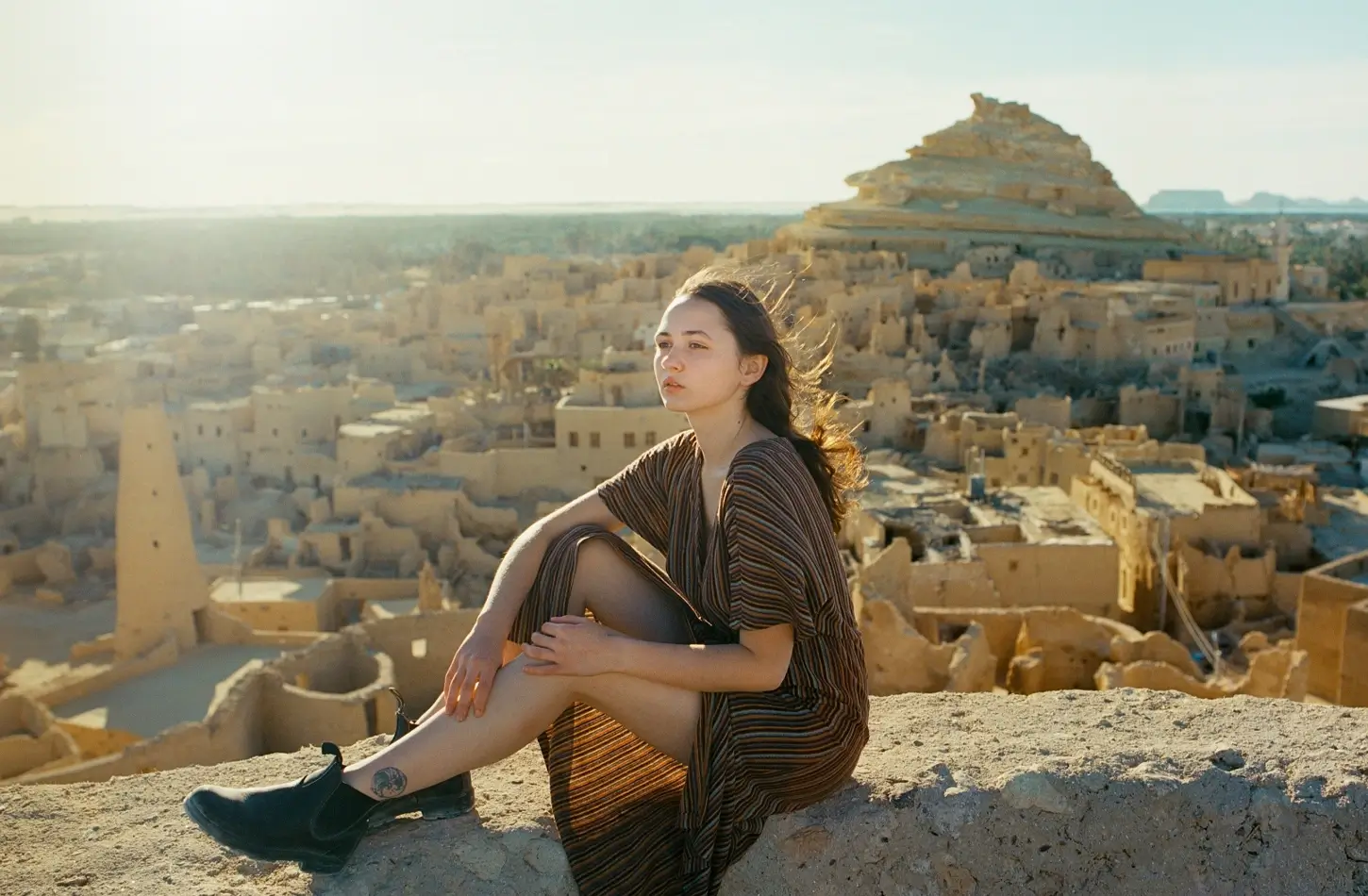
Our Siwa Oasis travel tips in short: go between October and April, plan at least three nights because the oasis is 560 km from Cairo, carry cash, dress modestly and swim only in the known springs and salt pools. Here is how to get there, what to do day by day and what to pack.
Read the guide
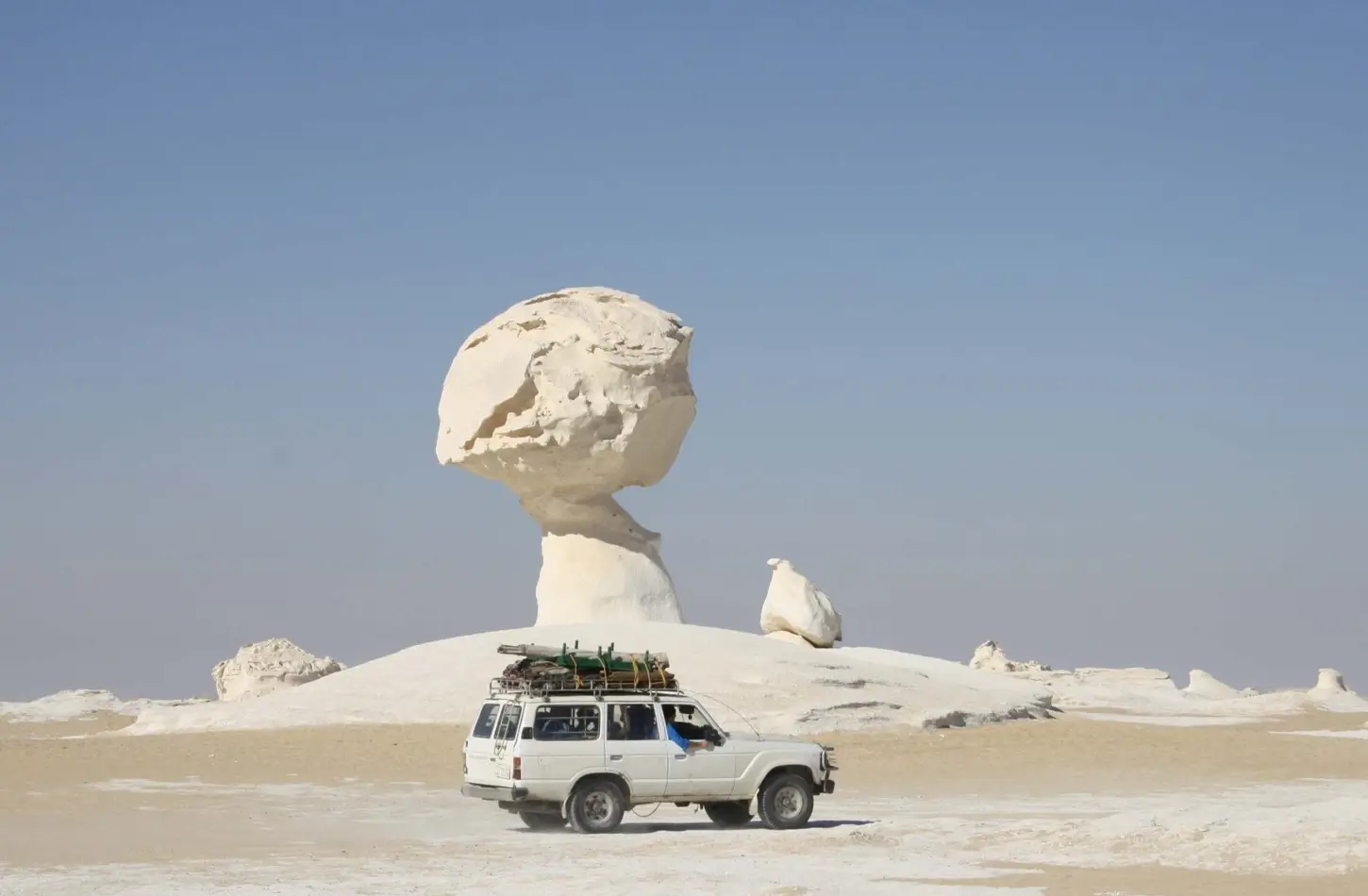
The Western Desert of Egypt covers about two-thirds of the country, from the Nile to Libya. A practical guide to its oases (Siwa, Bahariya, Farafra, Dakhla, Kharga and Fayoum), the White and Black Deserts, Wadi Al-Hitan, the best season, distances from Cairo, safety and what a desert tour includes.
Read the guide
Fayoum Oasis lies about 100 km south-west of Cairo, two hours by car. In one or two days you see the Wadi El-Rayan waterfalls, the 40-million-year-old whale skeletons of Wadi El-Hitan (UNESCO), Lake Qarun, the Magic Lake dunes and the potters of Tunis village. Here is how to plan it.
Read the guideWe always use the cookies this site needs to work. With your permission we also use the optional ones listed under Settings. You can change your choice at any time. Privacy policy