No trip to Egypt is complete without knowing the Pyramid of Khafre Facts, making it worth seeing. Built by King Khafre, son of Khufu, this pyramid and its connection to the Great Sphinx reflect his ambition, leadership, and desire for a lasting legacy. Every stone tells a story of precision, power, and mystery that has fascinated visitors for thousands of years.
We’ll explore the most important facts about Khafre’s pyramid—from its construction and standout design to the hidden details inside.
Ready to uncover Khafre’s secrets? Let’s explore.
Table of contents [Show]
- What Is the Pyramid of Khafre?
- Key Pyramid of Khafre Facts
- Architecture & Construction Techniques
- Inside the Pyramid of Khafre
- Khafre Pyramid Complex Components
- Mysteries & Scientific Discoveries
- Visiting the Pyramid of Khafre Today
- Your Best Way to Explore the Pyramid of Khafre Like Never Before
- Interesting Pyramid of Khafre Facts
What Is the Pyramid of Khafre?
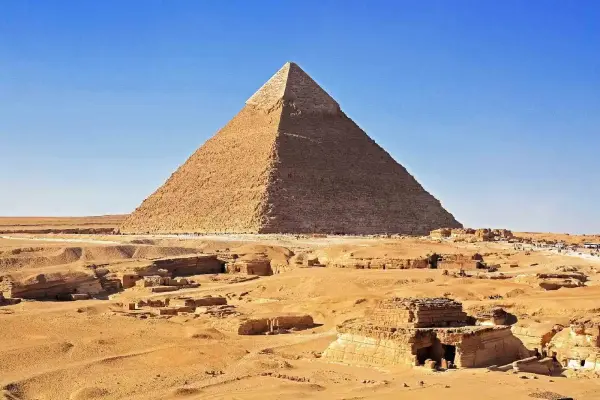
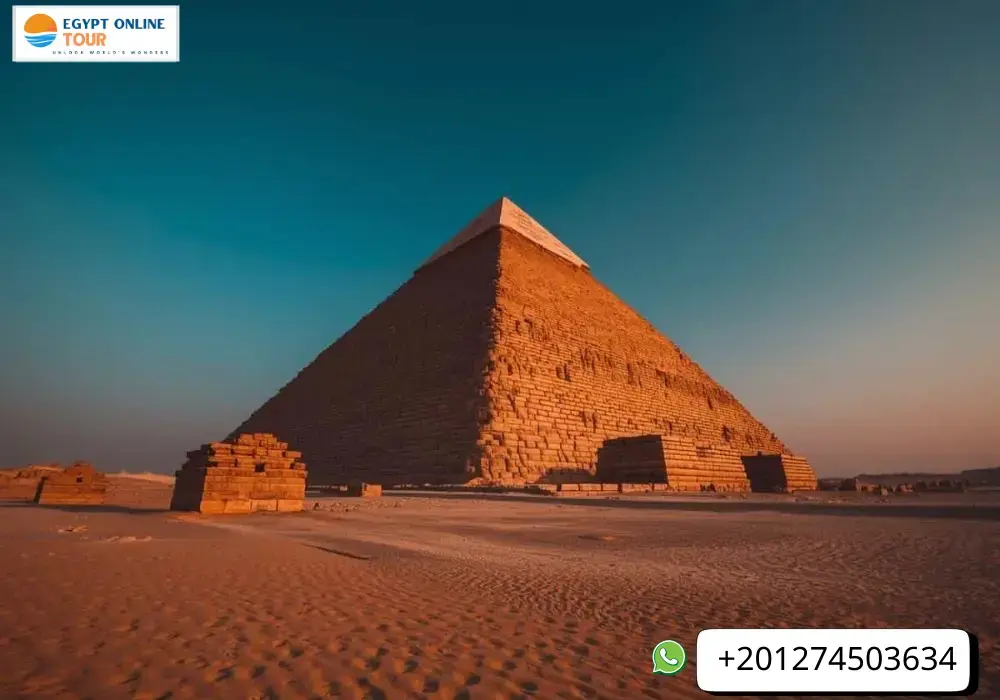
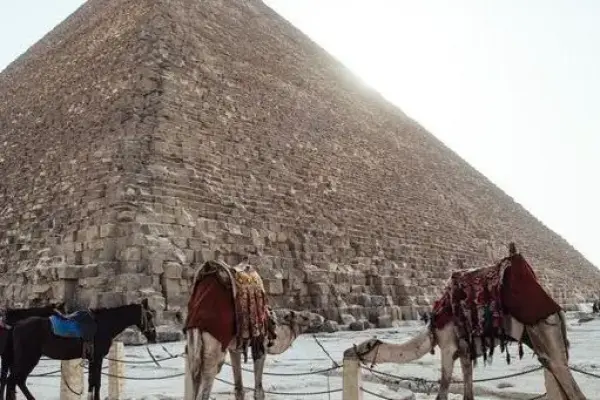
The Pyramid of Khafre is the second-largest pyramid on the Giza Plateau, and it stands right next to the Great Pyramid. Built around 2570 BCE, it belonged to Pharaoh Khafre, the son of the king who built the Great Pyramid. When you see it for the first time, you immediately notice how tall and impressive it is. Its original height reached 143.5 meters (471 feet), making it one of the most iconic structures in ancient Egypt.
One of the most well-known Pyramid of Khafre Facts is that the pyramid once had a bright limestone casing that reflected sunlight and gave it a glowing, polished appearance. Travelers planning a trip to Giza often search for Pyramid of Khafre facts to understand why this monument looks so unique compared to the Great Pyramid. And right in front of it stands the Great Sphinx, which many experts believe represents King Khafre himself.
- If you’re visiting Egypt, make sure the Pyramid of Khafre is at the top of your travel list—this is your chance to experience one of the most unforgettable moments of your journey. For a more personalized visit, you can explore your options with Pyramids Land Private Tours, which offers private, well-organized trips that help you enjoy every detail without any hassle.
Who Was King Khafre?
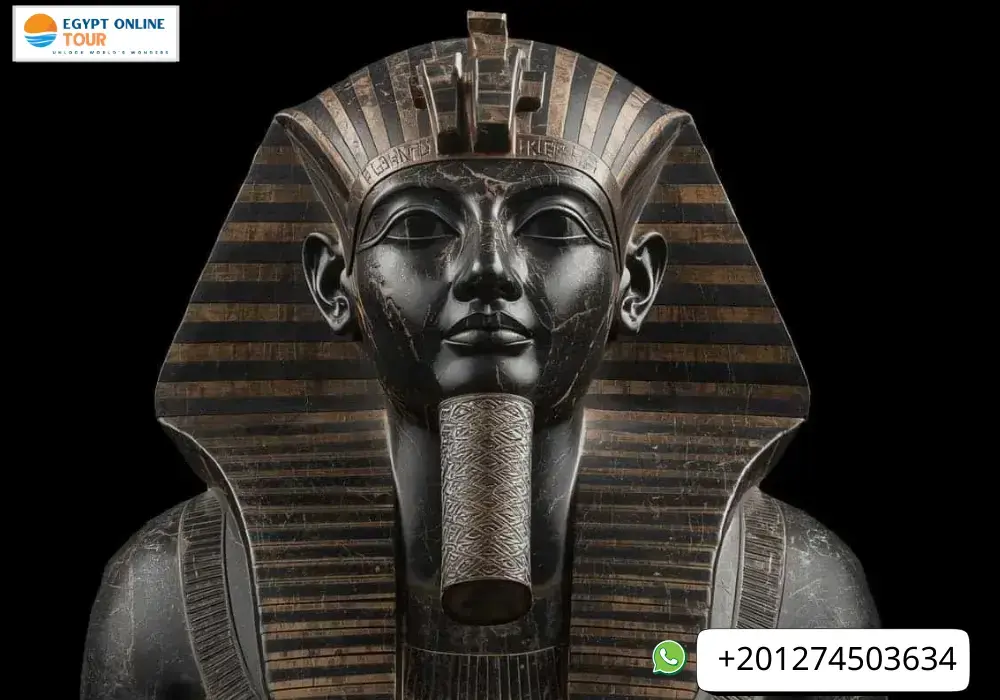
King Khafre was the fourth ruler of Egypt’s Fourth Dynasty. He was most likely a younger son of Pharaoh Khufu, born to Queen Henutsen. After the death of his brother Djedefre, Khafre ascended the throne. His name, ḫa.f-Ra, is usually understood to mean “He appears as Ra,” reflecting the strong connection ancient Egyptian kings claimed with the sun god.
Why Was the Pyramid of Khafre Built?
The Pyramid of Khafre was built to serve as the pharaoh’s tomb and to ensure that his presence would last forever. Ancient Egyptians believed strongly in life after death, so creating a monumental structure was essential for protecting the king’s body and preserving his power in the next world. For Khafre, the pyramid was not only a burial place but also a symbol of strength, permanence, and his continued existence beyond his lifetime. Many visitors from around the world come to Giza today to experience this powerful connection to ancient beliefs and to see for themselves that Khafre’s pyramid still feels timeless.
Where Is the Pyramid of Khafre Located?
The Pyramid of Khafre is located southwest of the Great Pyramid of Cheops, on the Giza Plateau just outside of Cairo. When you visit the site, you immediately notice how its position gives you a clear view of the entire plateau, making it one of the first landmarks travelers recognize when they arrive at Giza.
Key Pyramid of Khafre Facts
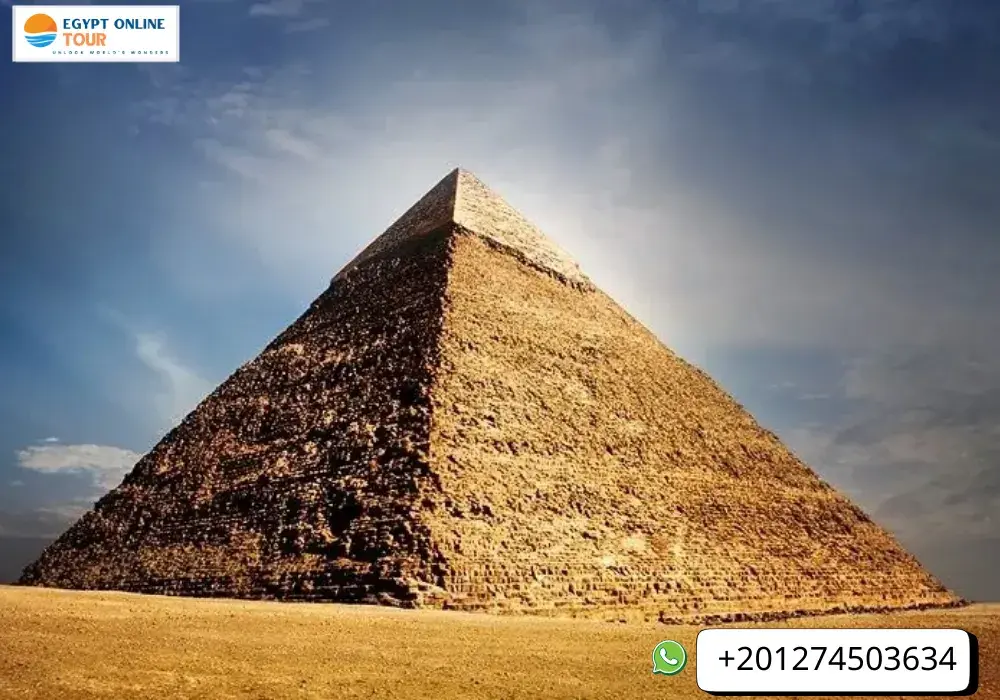
Here are some of the most important Pyramid of Khafre Facts that highlight the size, structure, and purpose of this famous monument:
- The Pyramid of Khafre is the second-largest pyramid in the Giza Necropolis, standing right beside the Great Pyramid of Giza.
- Its base measures 215.5 meters (706 ft) on each side.
- The pyramid rises to a height of 136.4 meters (448 ft).
- The entire structure is made of massive limestone blocks weighing about two tons each, with an estimated total weight of 4,880,000 tons.
- The pyramid was constructed using large limestone blocks, some of which were transported from nearby quarries.
- The slope angle reaches 53° 13', giving the pyramid its sharp and powerful shape.
- Khafre’s pyramid stands on natural bedrock that is 10 meters (33 ft) higher than Khufu’s, creating the illusion that it is taller.
- The outer casing was originally made of smooth Tura limestone, though most of it has worn away over time.
- The Great Sphinx, carved with the body of a lion and the head of a human, is believed to represent Khafre, though its exact purpose remains a mystery.
- The pyramid served as Khafre’s tomb, built to protect his body and treasures for the afterlife according to ancient Egyptian beliefs.
Discover the Pyramid of Khafre and the genius behind the Giza pyramids. See the Great Sphinx up close and dive into Egypt’s history like never before. Book your adventure now with our Egypt travel packages and unlock the secrets of these iconic landmarks!
Read about: Facts About Pharaohs
When Was the Pyramid of Khafre Constructed?
The Pyramid of Khafre was built around 2570 BC. Even though it is the second-largest pyramid on the Giza Plateau, it often appears taller due to the higher elevation of its foundation. It took around 20,000 workers to build the pyramid using millions of limestone and granite blocks, showcasing the incredible skill, precision, and organization of ancient Egyptian builders.
Dimensions, Size, and Slope Angle
Explore the dimensions and engineering details of the Pyramid of Khafre, one of the most impressive monuments on the Giza Plateau. Here’s a clear overview of its size, structure, and slope angle:
Feature | Value (Meters) | Value (Feet) | Notes |
Base Length | 215.5 | 706 | On each side. |
Current Height | 136.4 | 448 | |
Original Height | 143.5 | 471 | |
Volume | 2,211,096 cubic meters | 78,084,118 cu ft | Total volume of mass. |
Slope Angle | 53°10' | Measured in degrees and minutes. |
These measurements highlight the remarkable engineering and architectural precision of the Pyramid of Khafre, making it a must-see among the ancient Egyptian pyramids.
Why the Pyramid of Khafre Appears Taller Than the Great Pyramid
The Pyramid of Khafre often appears taller than the Great Pyramid of Khufu, but that’s an optical illusion. It sits on a bedrock outcropping about 10 meters higher on the Giza Plateau, giving it a visual advantage despite being slightly smaller in actual height.
Original Casing Stones at the Top
The Pyramid of Khafre still preserves part of its original outer casing stones at the summit. Here are some important Pyramid of Khafre Facts about these remarkable stones:
- The pyramid at Giza retains a portion of its original casing stones at the top.
- The stones are made of bright, polished white limestone and once covered the entire exterior.
- Originally, the smooth casing reflected sunlight, giving the pyramid a dazzling, ancient Egyptian appearance.
- Today, most casing stones have been removed or worn away due to time, erosion, and human activity.
- The remaining stones provide a glimpse into the monument’s original majesty.
Read about: King Seti I Facts
Architecture & Construction Techniques
The architecture of the Pyramid of Khafre highlights key Pyramid of Khafre Facts about how this monument was built. Visitors can still enter the pyramid today, but climbing is prohibited to protect the original casing stones that remain at the top.
Historians believe the pyramid was built in two stages, which reveals important details about Khafre’s life and reign:
- A smaller pyramid core was built first, with a simple burial chamber prepared in case Khafre died unexpectedly.
- When it became clear that the smaller structure was not needed, the builders expanded the pyramid to its full size and created a new burial chamber higher inside the structure.
- The earlier, smaller chamber was later repurposed as a storage space for burial items.
- The surrounding structures also show how grand the complex once was. A large temple stood next to the pyramid, featuring five prayer rooms, hallways, and a courtyard that held twelve statues of Khafre. A 500-meter stone causeway connected this area to the lower temple near the Great Sphinx.
Discover these impressive Pyramid of Khafre facts up close and witness the remarkable engineering of ancient Egypt for yourself. Plan your visit today with our Egypt Adventure Tours and explore the secrets of this iconic monument like never before.
Read about: Social Structure in Old Kingdom Egypt
Limestone and Granite Materials Used
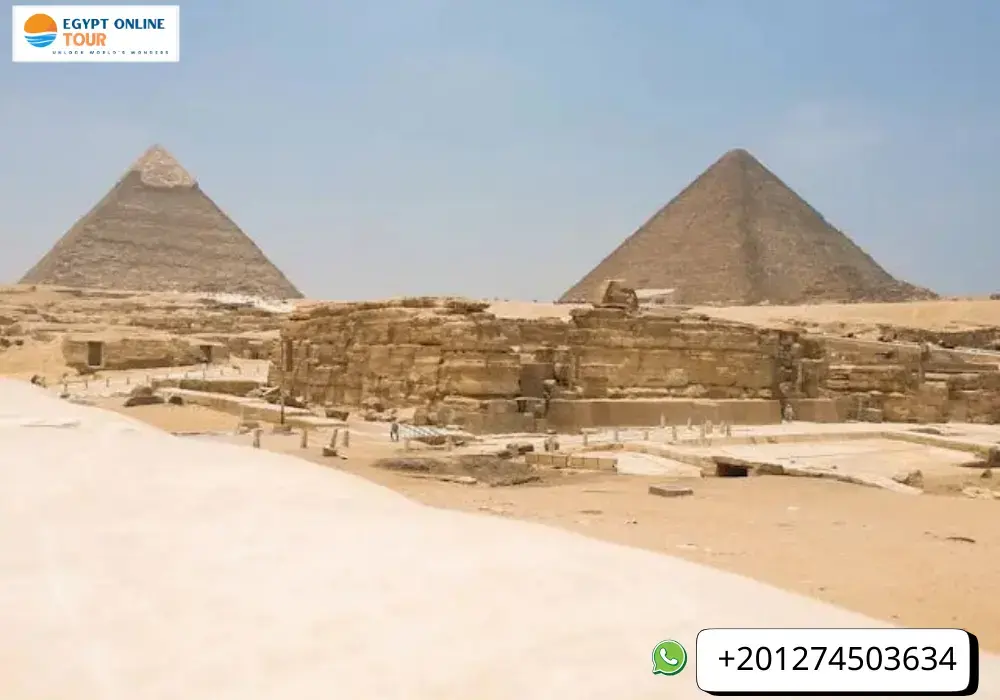
The Pyramid of Khafre was primarily constructed using limestone, forming most of its core structure, while granite was used in the internal chambers. Its exterior was originally covered with polished Tura limestone casing, portions of which are still preserved near the summit today.
Ramp Theories and Building Methods
Several Pyramid of Khafre Facts focus on how this pyramid might have been built:
- External ramps: Straight or zigzag ramps may have been used to haul stones up.
- Spiral ramps: Curved ramps around the pyramid face are another possibility.
- Internal ramps: Some scholars suggest ramps were built inside the pyramid to move blocks.
While the exact method remains uncertain, these theories show the incredible engineering skills of ancient builders.
Comparison with the Pyramid of Khufu
Feature | Pyramid of Khafre | Great Pyramid of Khufu |
Original Height | 143.5 m (471 ft) | 146.6 meters (481 feet) |
Current Height | 136.4 m (448 ft) | Slightly reduced due to erosion, 138.8 meters (455 feet) |
Base Length (per side) | 215.5 m (706 ft) | 230.3 meters (756 feet) on each side. |
Slope Angle | 53° 10′ | 51° 50′ 40″ |
Apparent Height Illusion | Built on higher ground (~10 m higher bedrock), making it look taller. | Lower base elevation, so appears shorter despite being taller originally. |
Outer Casing Stones | Retains some original white Tura limestone casing near the summit. | Originally also had smooth casing, but mostly removed or worn away. |
Inside the Pyramid of Khafre
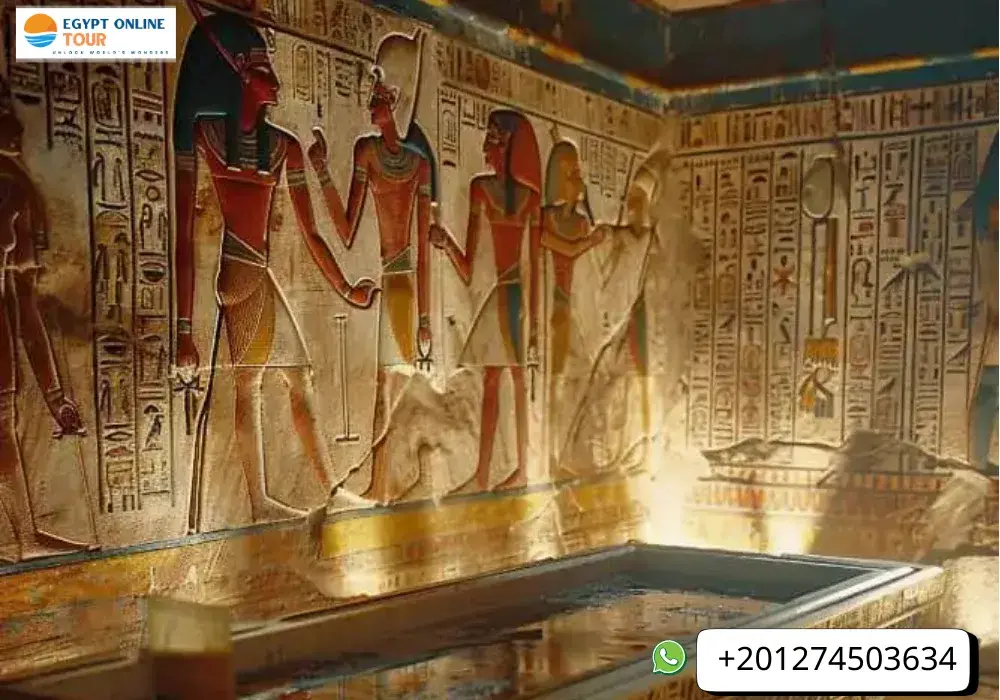
The Pyramid of Khafre Facts reveal that the pyramid contains two main chambers carved directly into the bedrock:
- Subterranean Chamber: Carved entirely into the plateau bedrock, measuring 34 ft × 10 ft with a pointed ceiling. It may have been used to store offerings or treasures.
- Main Burial Chamber: Located on a higher level, measuring 46.5 ft × 16.5 ft, with a pointed ceiling and a unique black granite sarcophagus set into the floor. The original lid rests beside the coffer, and a niche on the east wall may have held the king’s canopic chest.
The pyramid also features two types of internal passageways connecting these chambers, which will be detailed in the next section.
The Entrance Passage and Layout
The Pyramid of Khafre Facts show that the pyramid has two main entrances:
- Higher entrance: 11.54 m (38 ft) above ground.
- Lower entrance: Begins at ground level and leads to a short descending passage.
These passages connect the chambers through a series of corridors, ramps, and recesses, reflecting careful planning for both ceremonial purposes and the protection of the king’s remains.
The Burial Chamber Design
The Pyramid of Khafre Facts reveal that Khafre’s burial chamber is almost centrally located within the pyramid and carved directly from the rock, measuring approximately 14.15 m × 5 m.
The chamber contained Khafre’s sarcophagus, carved from a solid block of red granite and slightly sunk into the floor, showcasing precise craftsmanship.
On March 2, 1818, archaeologist Giovanni Belzoni entered the burial chamber, only to find that previous intruders had already disturbed it. The chamber contained just animal bones, evidence of earlier tomb raids.
The Sarcophagus and Interior Stones
The Pyramid of Khafre Facts show that Khafre’s sarcophagus is carved from a solid block of granite and partially sunk into the floor of the burial chamber. Adjacent to the sarcophagus, there is a storage area for the canopic jars, used to hold the mummified organs of the pharaoh.
What Is Accessible to Visitors Today?
Before heading inside, here’s what visitors can access at the Pyramid of Khafre today:
- Visitors can enter the interior through a small entrance on the north face, requiring a separate ticket.
- Inside, tourists descend narrow, dimly lit corridors that lead to the burial chamber carved into the bedrock.
- The passages are steep and tight, so visitors with mobility challenges should plan accordingly.
Let our local travel experts help you design the perfect itinerary. Whether you're seeking adventure, culture, or relaxation, we've got you covered!
Khafre Pyramid Complex Components
The Pyramid of Khafre Facts show that this complex is centered on the second-largest pyramid at Giza, instantly recognizable by the preserved Tura limestone casing still visible at its peak. Surrounding the pyramid is a well-planned set of structures that formed an essential part of Khafre’s funerary system and royal identity.
The complex includes three main components:
- Valley Temple: Located near the Nile, featuring massive limestone blocks and serving as the formal entry point for rituals connected to the pharaoh’s funerary cult.
- Causeway: A long, ascending pathway linking the valley temple to the pyramid, guiding ceremonial processions toward the burial site.
- Mortuary Temple: Built against the eastern base of the pyramid, designed for offerings and rituals dedicated to Khafre’s eternal journey.
- Next to the valley temple stands the iconic Great Sphinx, carved from a single limestone outcrop and widely associated with Khafre. Its position and alignment reinforce the pharaoh’s divine status and his connection to the sun god Ra.
This integrated layout reflects the architectural evolution of Old Kingdom pyramid complexes, showing how Khafre’s structure combined symbolism, power, and ritual function into a cohesive design. If you want to see the Pyramid of Khafre in person, you can also explore the other pyramids with our Egypt trips to the pyramids—don’t miss the chance to experience these iconic monuments up close.
Read about: Pyramid of Menkaure
The Mortuary Temple – Purpose and Structure
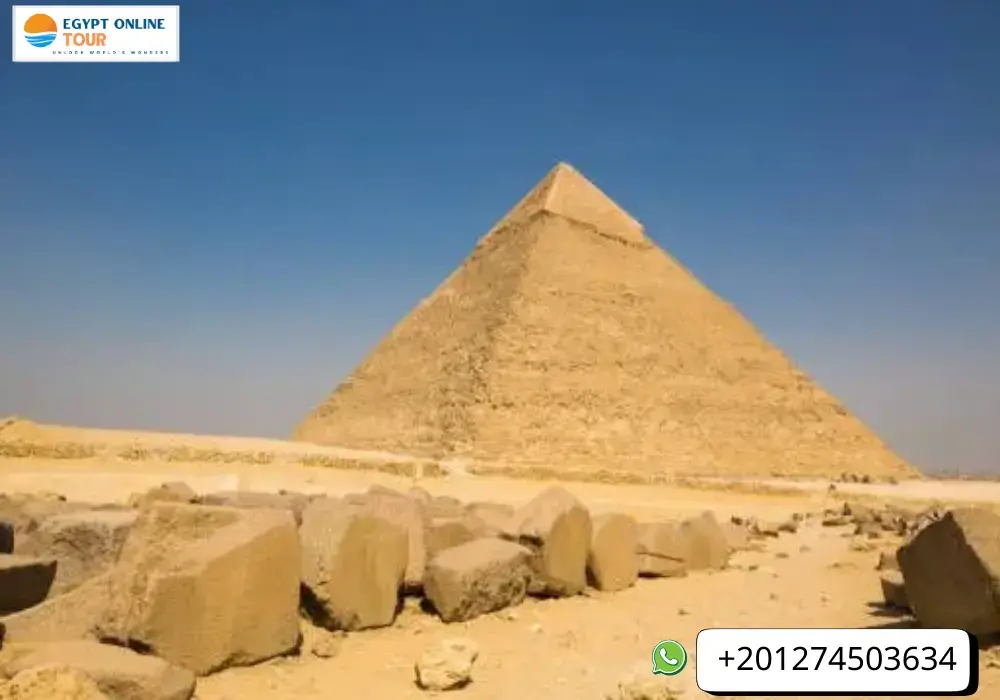
The mortuary temple of Khafre, now mostly in ruins, stands on the eastern side of the pyramid and marks a major architectural development in Old Kingdom temple design. It is the first known mortuary temple to feature all five elements that later became standard across similar complexes, namely:
- Entrance Hall: A formal entry space leading into the temple.
- Columned Courtyard: An open court supported by large pillars.
- Five Statue Niches: Likely used to display statues of Pharaoh Khafre.
- Five Storage Chambers: Located behind the niches and used for holding temple equipment or offerings.
- Inner Sanctuary: The deepest room in the temple, containing a pair of stelae for ritual activity.
The Causeway Connecting the Temples
A 494.6-meter causeway connects the Pyramid Valley Temple of Khafre to the Mortuary Temple near the pyramid. This oblique ramp runs to the southeast and was likely covered and adorned with intricate bas-reliefs. Its design allowed ceremonial processions to move smoothly from the Mortuary Temple to the pyramid, highlighting both the function and the architectural elegance of the complex.
The Valley Temple of Khafre
Similar to other key structures in Khafre’s funerary complex, the Valley Temple features:
- Constructed from massive megalithic blocks sheathed in red granite, similar to the Mortuary Temple.
- T-shaped hallway with square granite pillars, remarkably well preserved.
- Floor paved with alabaster.
- Exterior limestone showing significant weathering.
Connected to the pyramid (with its burial chamber), the mortuary temple on the east side, and the covered causeway leading to the Valley Temple.
The Sphinx and Its Connection to Khafre
The Great Sphinx of Giza is a central highlight of Khafre’s pyramid complex. Key points include:
- Carved from the same rock used for Khafre’s pyramid blocks.
- Built during King Khafre’s reign (c. 2575–c. 2465 BCE).
- Served as a guardian of the funerary complex.
- Sphinx Temple is nearby for ceremonial purposes.
- Lion’s body with Khafre’s face, symbolizing power and divinity.
- One of Egypt’s most famous and iconic monuments.
See the Sphinx up close and uncover the secrets of Khafre’s pyramid complex.
Mysteries & Scientific Discoveries
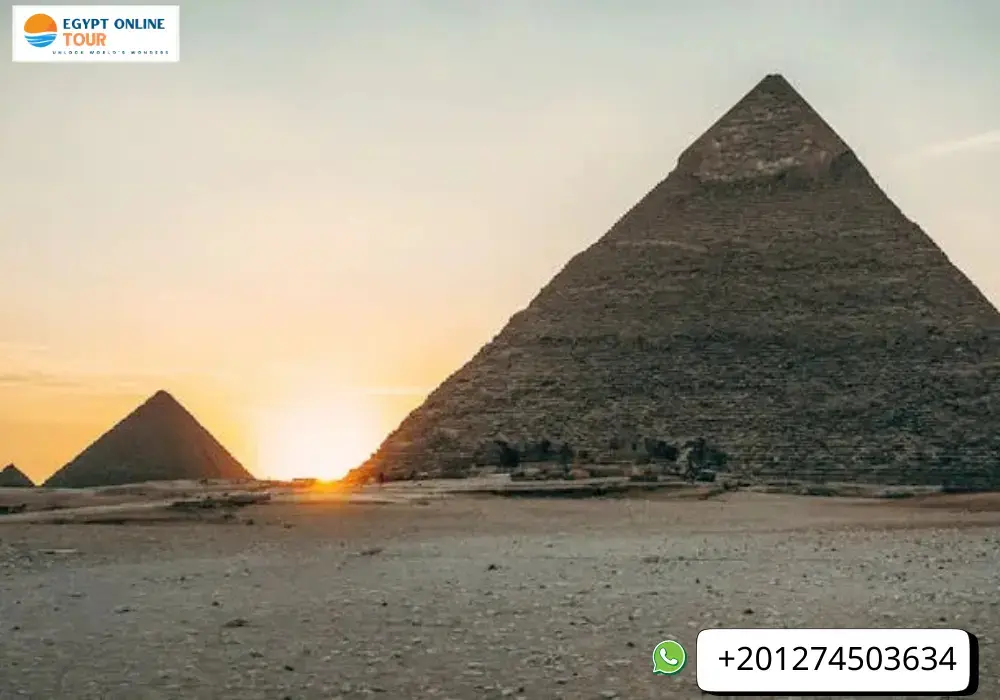
The Pyramid of Khafre still holds many mysteries that continue to intrigue researchers and visitors alike:
- Original Appearance: While some casing stones remain at the top, the pyramid was once fully covered in polished limestone, giving it a gleaming, “mountain of light” appearance.
- Purpose of Internal Shafts: The exact function of the internal shafts is debated, with theories ranging from ventilation to symbolic passageways for the pharaoh’s soul.
- Construction Methods: How the ancient Egyptians transported and placed the massive limestone and granite blocks remains a subject of study, showcasing the remarkable engineering skills of the builders.
- Identity of the Builders: While Pharaoh Khafre commissioned the pyramid, the precise organization and roles of the workforce involved are still partially unknown.
Come and discover the secrets of the Pyramid of Khafre and experience the grandeur of Giza’s history! For a truly immersive adventure, join our 15 Days Adventure Egypt Tour and explore the full wonders of ancient Egypt on an unforgettable journey.
Evidence of Tools and Workers’ Marks
The Workers’ Cemetery at Giza, located about 500 meters west of Heit al-Ghurab, provides valuable insight into the lives and social status of the laborers who built the pyramids. Excavations reveal a hierarchical burial system:
- General Workers: Buried in modest mudbrick tombs, reflecting their rank in the workforce.
- Skilled Artisans, Overseers, and Foremen: Interred in larger mastaba-style tombs, highlighting their elevated status.
- Tomb Inscriptions and Burial Goods: Hieroglyphic markers detail occupations, while pottery, tools, and shabti figurines indicate beliefs in the afterlife.
- Artistic and Religious Elements: Painted reliefs, carved stelae, and texts requesting safe passage to the afterlife show the inclusion of deities such as Osiris, Anubis, and Ptah.
These findings demonstrate that pyramid builders were respected contributors to state projects, reshaping our understanding of the workforce behind Egypt’s iconic monuments.
Geological Studies on Foundation Levels
The Khafre Pyramid Facts reveal that the pyramid is built directly on a bedrock outcrop rising about 10 meters above the surrounding plateau, providing a stable and elevated foundation. This careful selection of a high, solid rock core and precise leveling of certain sections highlights the advanced geological knowledge and planning skills of Khafre’s builders, ensuring the monument’s long-lasting stability.
Theories About the Pyramid’s Missing Capstone
Here are the most common theories behind the missing capstone of the Khafre Pyramid:
There are several ideas about why the Khafre Pyramid is missing its original capstone. Some explanations are practical and based on natural events, while others explore more symbolic or imaginative possibilities. For example, these theories include:
- Theft by looters: Many believe the capstone was removed during periods of instability, especially if it was made from a valuable material.
- Natural causes: Weathering, earthquakes, and thousands of years of environmental changes may have caused the capstone to break or fall.
- Symbolic or architectural removal: Some researchers suggest the capstone might have been taken down intentionally during a later historical period for cultural or ritual reasons.
- Alternative “energy” theory: A few modern theories propose that the capstone was part of an energy-related design, possibly made of gold or electrum, which could explain why it disappeared.
Visiting the Pyramid of Khafre Today
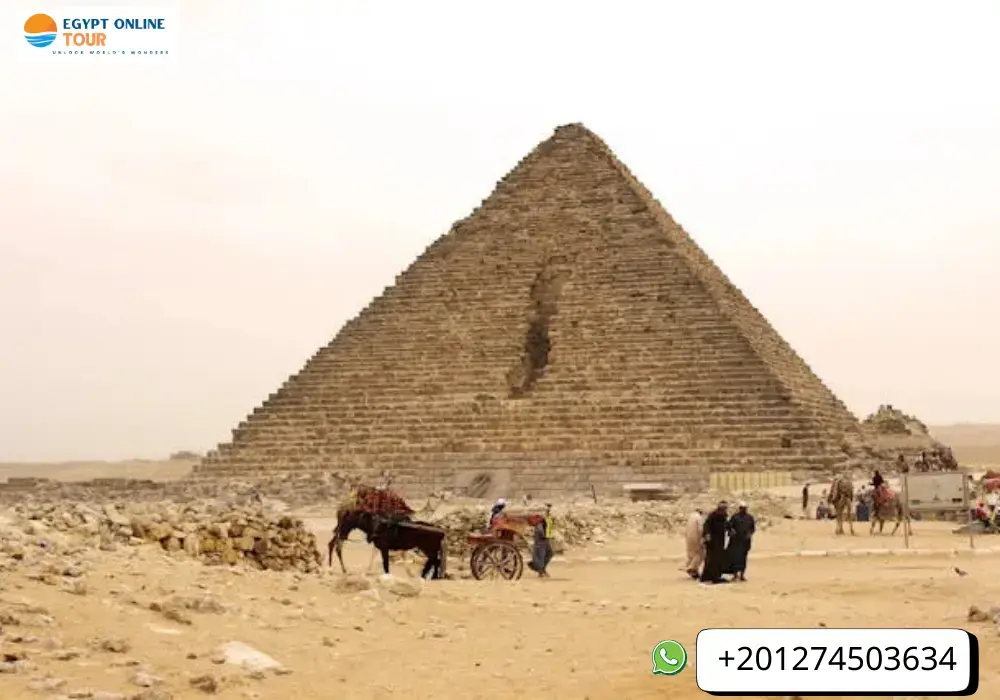
Here’s everything you need to know for visiting the Pyramid of Khafre today. Follow along!
Tip | Details |
Admire & take Photos
| See the Pyramid of Khafre from outside, snap pictures with the Sphinx, or go inside with a separate ticket. |
Opening Hours | The Giza Plateau is open every day, usually from 8:00 AM to 5:00 PM. |
Tickets | General entry covers the plateau. Separate tickets are needed to enter Khafre’s pyramid. |
Best Viewpoints | The south panoramic viewpoint gives amazing shots of all three pyramids. |
Guided Tours | Egyptologist guides share interesting facts about the history, architecture, and mythology of Khafre’s pyramid. |
What You Can See at the Site
When you visit the Pyramid of Khafre, there are several fascinating features to explore both inside and around the pyramid:
- Inside the Pyramid: Discover the internal passages, the burial chamber, and the granite sarcophagus.
- The Great Sphinx: This massive statue sits just outside the pyramid and is one of the most iconic monuments in Egypt.
- Temples: Explore the Valley Temple and the mortuary temple, which contain halls, chambers, and bases of statues
- Smaller Tombs: The site also includes several smaller tombs scattered around the complex.
- Original Casing Stones: A surviving section of the original casing stones can still be seen at the apex of the pyramid.
Best Time to Visit the Pyramid Complex
The best time to visit the Pyramid Complex, including the Great Pyramid of Khafre, is during the cooler months because the weather is more comfortable for outdoor activities and sightseeing. Here’s why this time frame is recommended according to Egypt’s winter and early spring seasons:
- Late October to Early April: This period corresponds to Egypt’s winter and early spring.
- Comfortable Weather: Cooler temperatures make walking and exploring the pyramids easier.
- Ideal for Sightseeing: More pleasant for outdoor activities compared to the hot summer months.
Tips for Exploring Khafre’s Pyramid Safely
Before you start exploring the Pyramid of Khafre, here are a few important tips that will help you enjoy your visit smoothly and make the most of your time.
- Book online first: Buy your tickets through official channels to avoid on-site touts or scams.
- Entry tickets: Getting inside the Pyramid of Khafre requires a separate ticket, and numbers are limited each day—so it’s best to purchase early.
- Arrive early: Visiting in the morning gives you cooler weather, shorter lines, and better light for photos.
- Dress & footwear: Choose light, breathable clothing, and wear sturdy shoes since you’ll be walking on sand and uneven steps.
- Photography rules: Check the latest guidelines before your visit, as some interior spaces restrict cameras or may charge an additional fee.
After visiting the Pyramid of Khafre, you can take your Egyptian journey even further with our 12 Days Cairo & Dahabiya Nile Cruise Luxury Tour. This immersive experience combines the wonders of the Giza pyramids with Cairo’s most famous landmarks and a relaxing Nile cruise aboard a traditional Dahabiya. Explore ancient temples, legendary monuments, and enjoy an elegant travel experience that turns your trip to Egypt into a truly unforgettable adventure.
Your Best Way to Explore the Pyramid of Khafre Like Never Before
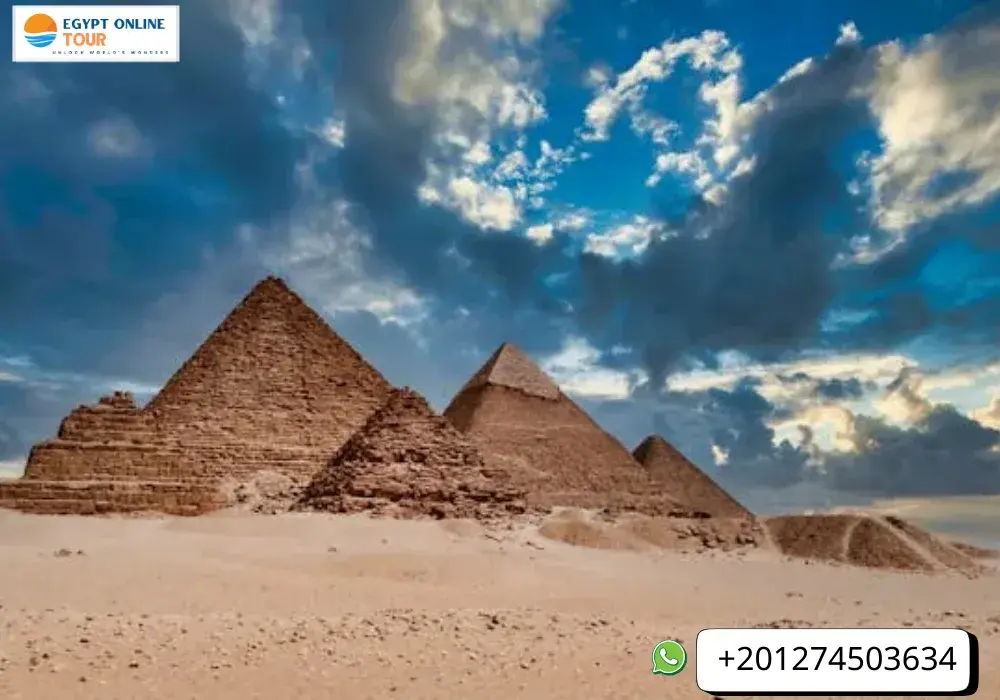
Come and experience Khafre’s Pyramid in the most exciting way! Here’s how to make the visit unforgettable:
- Step Inside History: Explore the ancient passageways and see the granite sarcophagus up close.
- See the Icons: Admire the Great Sphinx and the temples around the pyramid.
- Take Perfect Photos: Capture amazing shots from the best spots around the site.
- Learn While You Explore: Let an expert guide share fascinating stories about the pyramid and its history.
- Make the Most of Your Visit: Arrive early and enjoy every moment without rushing.
Come see Khafre’s Pyramid for yourself and make memories that will last forever! To extend your adventure, join our 5 Days Cairo Tour and explore the pyramids, iconic landmarks, and the best of Cairo in one unforgettable trip.
Interesting Pyramid of Khafre Facts
The Pyramid of Khafre is full of fascinating details that make it unique among the Giza pyramids:
- Sunset Alignment: From the Great Sphinx, during sunset, the Sun sets exactly between Khafre and Cheops pyramids, forming the ancient Egyptian hieroglyph “Ahet” or “Horizon,” symbolizing the Primordial mountain.
- Slope Angle: The sides of Khafre’s pyramid slope at 53 degrees, slightly steeper than Menkaure’s pyramid, which is 51 degrees.
- Lower Temple: The main hall of the lower temple is T-shaped, with light entering through ceiling holes, illuminating each of the 23 statues of the pharaoh.
- Wall Structure: The pyramid walls are slightly depressed, possibly due to erosion, lost cladding, or the massive stone blocks—no exact explanation exists even today.
- Height & Size: Originally smaller than Cheops, Khafre’s pyramid appears taller because it sits on higher ground. Today, it reaches 143.5 meters in height with 215.5-meter-long sides.
- Original Limestone Coating: The upper part still retains the original limestone covering. Its interior is simpler than Cheops’ and has two entrances on the north façade.
- Sarcophagus Chamber: Carved into the rock with granite gabled ceilings, the chamber contains a red granite sarcophagus, found empty by the explorer Giovanni Battista Belzoni in 1818.
- Workers’ Village: About 500 meters from the pyramid, archaeologists discovered a well-organized city for the workers, including bakeries, workshops, and medical facilities.
- Historical Damage: The most serious damage occurred in the 14th century, likely due to an earthquake, which was severe enough to destroy the Lighthouse of Alexandria.
Continue your adventure after Khafre’s Pyramid with our Pyramids Day Tour in Cairo. Experience Giza’s remarkable sites and enjoy an unforgettable journey through ancient Egyptian history.
Learn about: Facts About Ancient Pyramids in Egypt
How Khafre’s Pyramid Influenced Later Pyramids
Khafre’s Pyramid inspired many aspects of later pyramids, including:
- Steep Slope: Its 53-degree angle influenced the design of subsequent pyramids.
- Temple Layout: The T-shaped lower temple became a model for later complexes.
- Celestial Alignment: Alignment with the Sun and stars guided future builders.
- Sarcophagus Design: The use of granite in burial chambers set a standard for later pyramids.
- Pyramid Positioning: Elevation on the Giza Plateau inspired the placement of future pyramids.
- Complex Planning: The organization of surrounding temples and workers’ villages influenced later constructions.
Let our local travel experts help you design the perfect itinerary. Whether you're seeking adventure, culture, or relaxation, we've got you covered!
Legends and Myths Around Khafre
The Pyramid of Khafre has some mysteries that make it special. On the top, there is a flat platform with a square hole where a capstone or “benben” once stood. No one knows where this stone went. Inside, the pyramid has a second entrance and a strange hall in the lower corridor. This hall is not a burial room, so some people think it might have been a hidden treasury. No one knows for sure, but these mysteries make the pyramid very interesting. Visitors often wonder about these mysteries when they see the pyramid in person.
Why the Pyramid Still Retains Part of Its Original Casing
The Pyramid of Khafre stands out because it still keeps a small but clear part of its original smooth limestone casing at the top. This surviving layer helps visitors imagine how all the pyramids once looked when they shone brightly under the sun. Archaeologists explain that this part remained in place simply because it was high enough to be difficult to reach, so it wasn’t removed or reused like the casing stones at the lower levels.
After learning fascinating facts about the Pyramid of Khafre, you can extend your experience with our 6 Days Cairo & Nile Cruise Tour Package. This journey goes beyond the pyramids, allowing you to discover Cairo’s historic sites and enjoy a relaxing Nile cruise with high levels of comfort and elegance. Turn your trip into a truly memorable Egyptian adventure.
After walking through all these Pyramid of Khafre Facts, you now have a clearer picture of this incredible monument—its history, the king behind it, how it was built, and even the mysteries that still make it so fascinating today. From the original casing stones at the top to the powerful link with the Great Sphinx, every part of Khafre’s pyramid tells a story that has survived thousands of years.
If this captured your curiosity, don’t stop here. There’s so much more to explore about ancient Egypt, and every detail adds a new layer to the experience. So take the next step—discover more, read more, and maybe even plan a visit one day. The story of Khafre is just the beginning.

Frequently Asked Questions
1 Why Is Khafre So Well Known? ▶
2 When Was the Pyramid of Khafre Built? ▶
3 What Makes the Pyramid of Khafre’s Capstone Special? ▶
4 How Long Does It Take to Visit the Pyramid of Khafre? ▶
Popular Categories
Popular Posts
The Egyptian Museum in Cairo | Ancient Treasures

Top Alexandria Beaches You Must Visit 2026

What are the important holidays in Egypt?
Related tours

Dahabiya Nile Cruise Aswan to Luxor




12 Days Cairo & Dahabiya Nile Cruise Luxury tour