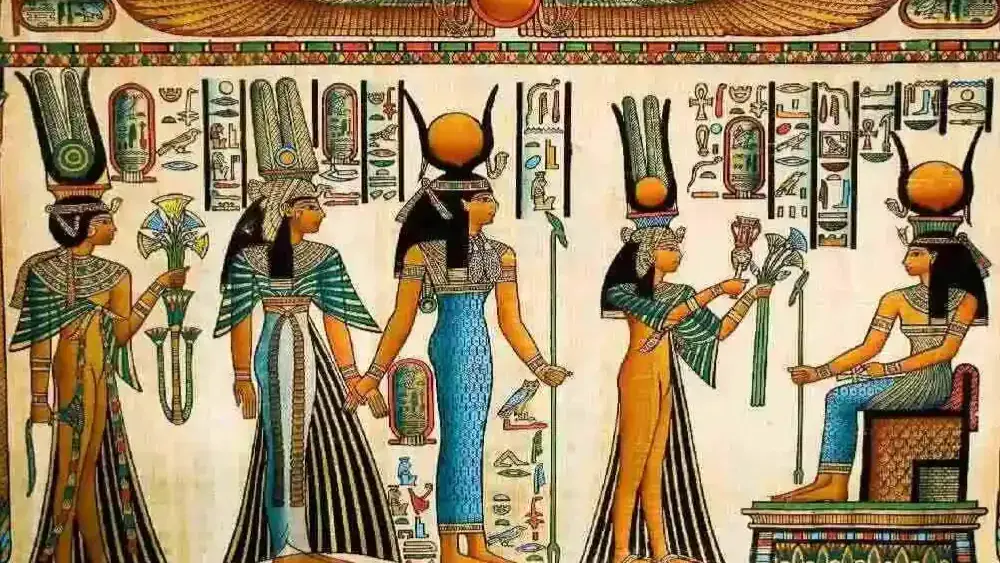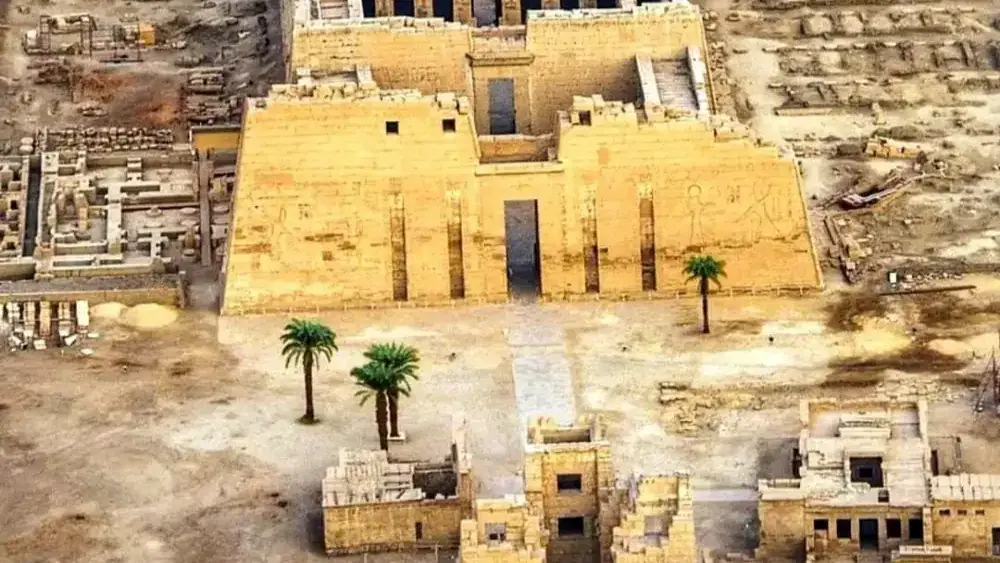
Noblemen were powerful officials who helped the pharaoh manage temples, taxes, land, and government.
But Where did Noblemen live in Ancient Egypt? This article explores their homes, daily lives, and influence on Egyptian society.
The role and power of Nobles in Ancient Egypt
Ancient Egyptian nobles included viziers, provincial governors, priests, and senior officials who helped the pharaoh control taxation, law, temples, agriculture, and public projects. Their wealth came mainly from land and royal appointments, while their tombs and inscriptions reveal their political power, religious duties, and daily life. Through administration and local leadership, they helped keep the kingdom stable for centuries.
Today, their contributions help us understand the intricate workings of one of history’s greatest civilizations. Experience their legacy firsthand with a 5 Days Cairo to Luxor Tour Packages to explore Egypt’s most iconic noble sites!"
Nobles in government and administration
Nobles served as viziers, governors, and royal advisers. They collected taxes, managed land and resources, enforced the pharaoh’s orders, and supervised major projects such as temples, canals, and irrigation works.
Economic Influence of the Nobility
Wealth and land ownership were key sources of power for the nobles. They controlled vast agricultural estates, which provided them with food, wealth, and labor. By overseeing farming, trade, and tax collection from peasants, they strengthened Egypt’s economy while securing their own financial independence.
Religious and Cultural Contributions
Many nobles held important religious positions as high priests or temple administrators. They played a major role in overseeing religious ceremonies, temple maintenance, and offering tributes to the gods.
Additionally, nobles were patrons of art and architecture, funding the construction of grand tombs and temples, which helped preserve Egypt’s cultural and spiritual identity. Consider our Holy land Tour packages to discover the spiritual connections between Egypt’s nobles and the Holy Land
The Nobles and the Pharaoh
Despite their power, nobles remained under the authority of the pharaoh, who was the ultimate ruler of Egypt. However, the relationship was symbiotic—pharaohs relied on nobles for governance, and in return, nobles were granted privileges and wealth.
At times, some nobles sought to expand their influence, leading to political tensions, especially during periods of weak central rule.
Military Role of the Nobles
Many nobles also served as military commanders, leading armies to defend Egypt’s borders or expand its territory. Their involvement in the military not only strengthened their status but also secured their position within the royal court.
The Decline of Noble Influence
Over time, the influence of nobles began to decline, particularly during periods of political instability and decentralization. As new administrative structures emerged and power shifted, many of their privileges were reduced. However, their legacy remained strong in Egypt’s religious and cultural traditions.
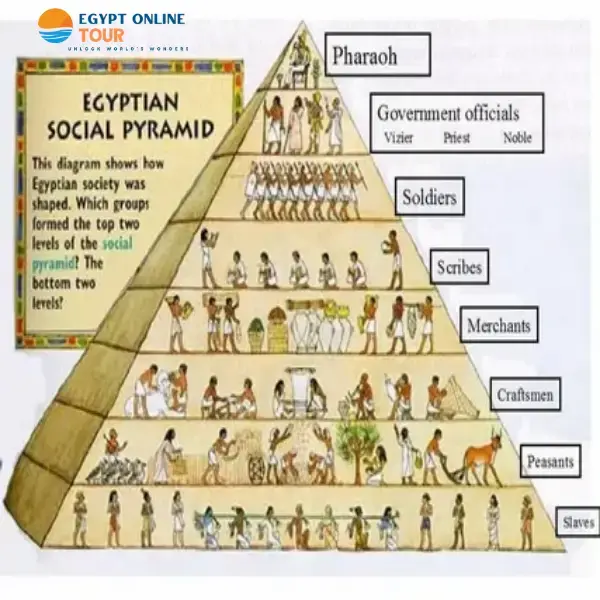
Hierarchy Among the Nobility
In ancient Egypt, society was built on a strict hierarchy, with nobles holding a prestigious positions thanks to their roles in politics, administration, and religion. However, not all nobles were equal in power or responsibility—there were different classes within the nobility, each playing a vital role in keeping the kingdom stable and prosperous.
1. The Royal Family – The Core of Power and Influence
At the top of the noble hierarchy was the royal family, which included the pharaoh—Egypt’s absolute ruler—along with his queen, children, and close relatives. Members of the royal family often held high-ranking government and military positions to maintain control over the state.
2. High Officials – The Backbone of Administration
Ministers and royal advisors played a crucial role in executing policies, managing the economy, and overseeing state affairs. Among them were:
- The Vizier: The most powerful official after the pharaoh, responsible for enforcing laws and supervising major projects.
- Royal Seal Bearers: In charge of recording royal decrees and preserving important documents.
3. The Priests – Guardians of Religion and Spirituality
Religion was deeply intertwined with politics and economics in ancient Egypt, making the priesthood a powerful institution. The priests were divided into:
- High Priests of Major Temples: Led religious ceremonies and managed temples, which were centers of power and resources.
- Specialized Priests: Experts in specific fields like mummification and astrology, contributing to both spiritual and scientific advancements.
4. The Scribes – The Hidden Decision-Makers
Scribes were essential to the functioning of the government, and responsible for recording laws, economic transactions, and royal decrees. They were classified into:
- Royal Court Scribes: Recorded events and official orders for the king.
- Temple Scribes: Managed religious texts and financial records of the temples.
5. Military Leaders – Defenders of the Kingdom
The army was a crucial part of Egypt’s strength, and noble military leaders held great influence. They included:
- Army Generals: Commanded military campaigns and led the expansion of Egyptian territory.
- Unit Officers: Managed the training and organization of soldiers.
Read about: The History of Ancient Nubia
Noble Women in Ancient Egypt
In ancient Egypt, noble women weren’t just figures in the background—they were key players in shaping society.
Noble women in ancient Egypt were symbols of strength, intelligence, and leadership.
Their influence extended far beyond their households, leaving a lasting mark on politics, economy, and religion.
Their legacy is a testament to a society that recognized and embraced the power of women thousands of years ago.
Women in Politics and Leadership
Power wasn’t reserved for men alone as:
- Some noble women rose to high-ranking positions in government, and a few, like Queen Hatshepsut, even ruled Egypt as pharaohs.
- Others played advisory roles to kings, managed royal estates, and contributed to decision-making, proving that leadership had no gender barriers in ancient Egypt.
Economic Power and Financial Independence
Noble women weren’t just wealthy; they actively managed their own land and businesses. Many oversaw large estates, hired workers, and even engaged in trade.
Some took on prestigious professions, like medicine—one remarkable example is Peseshet, recognized as the first recorded female physician in history.
Women in Religion and Spiritual Influence
Religion was central to Egyptian life, and noble women held significant roles within it.
Many served as high priestesses and were given titles like "God’s Wife," granting them spiritual authority and political influence.
Their involvement in religious rituals further reinforced their status in society.
Explore the stories of noblewomen who shaped Egypt’s religious and royal history through our 15 Days Egypt Holy Family Trip
Social Status and Legal Rights
Unlike in many other ancient civilizations, Egyptian noble women had legal rights that allowed them to own property, file lawsuits, and manage their affairs independently.
This level of equality highlights how highly they were valued—not just as wives or mothers, but as individuals capable of shaping their own destinies.
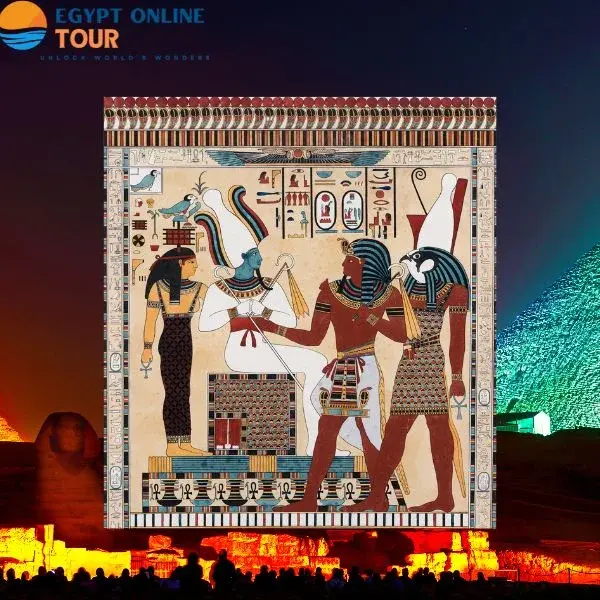
Wealth, Land, and Inheritance
Land was the main source of noble wealth in ancient Egypt. Nobles controlled fertile farms, livestock, and workers, while senior government and religious positions added further income and authority. Inheritance laws helped keep these estates and privileges within powerful families.
A Fair Inheritance System: The Role of Women in Preserving Wealth
Women in ancient Egypt could inherit, own, manage, and transfer property in their own names. They could also appear in court and defend inheritance claims, giving them unusual economic and legal independence for the ancient world.
Sustaining Influence Across Generations
This well-organized inheritance system ensured a fair distribution of wealth among family members, strengthening the noble class and maintaining their influence for centuries.
Thanks to these structured laws, ancient Egyptian society remained stable, with land ownership and inheritance serving as key pillars of noble power and social continuity.
Where Did the Nobles Live in Ancient Egypt?
The nobles of ancient Egypt enjoyed a luxurious lifestyle that reflected their high status.
They lived in grand homes, whether in bustling cities or the fertile countryside.
1. Life in Major Cities
Nobles resided in cities like Thebes (modern-day Luxor) and Memphis (near present-day Cairo), where they built spacious palaces adorned with intricate carvings, lush gardens, and decorative water pools.
Their homes featured multiple rooms, including guest halls, storage areas, and open courtyards, offering both comfort and prestige.
2. Life in the Countryside
Beyond the cities, nobles owned vast agricultural estates, where they oversaw crop production and livestock farming. They lived in elegant villas near their farmlands, managing their estates with the help of farmers and servants.
Step into the world of ancient Egyptian nobles—explore their grand residences, tombs, and the rich history they left behind with our exclusive Egypt tour packages !
3. The Nobles’ Tombs: A Symbol of Legacy and Status
Nobles placed great importance on building elaborate tombs that showcased their prestige and ensured their place in the afterlife.
- West of Thebes: The tombs of Senenmut (a chief architect), Vizier Ramose, and the royal scribe Menna in areas like El-Qurna, Al-Asasif, and Deir el-Medina are beautifully decorated with scenes from their daily lives and religious rituals.
- Saqqara: South of Cairo, this was the burial site for high-ranking officials from the 18th to 20th dynasties, including figures like Ptah-em-Wia, Maya, and Tia.
4. A Reflection of Social Power
Where nobles lived was more than just a residence—it was a symbol of their economic strength and political influence. Their grand estates and magnificent tombs highlight their lasting legacy in ancient Egyptian society.
Maybe like to read: Advanced Cities In Ancient Egypt
Where were nobles buried in Egypt?
In ancient Egypt, tombs were not just burial sites; they were grand monuments reflecting the social status and beliefs of their owners about the afterlife.
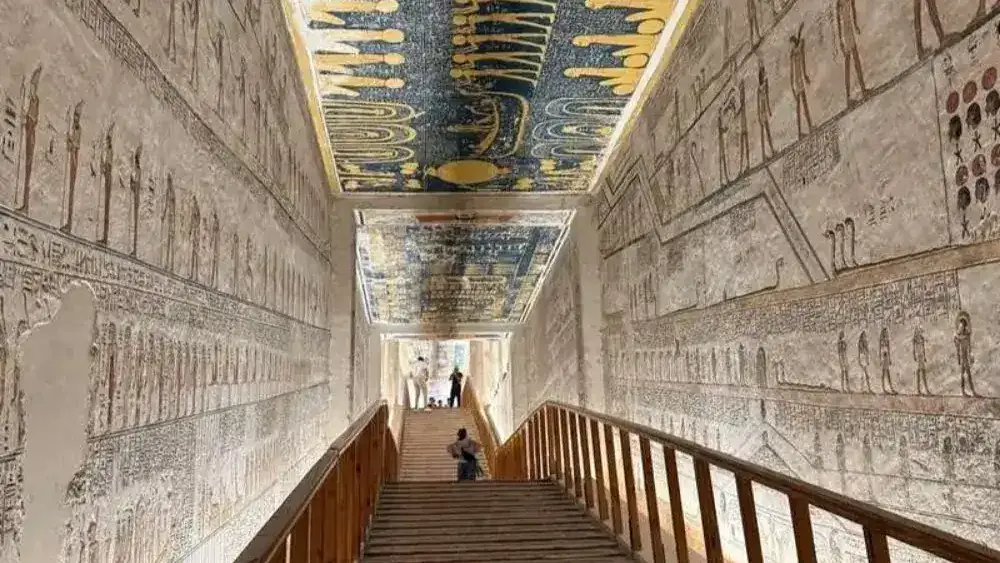
Nobles and high-ranking officials took great care in designing their tombs, adorning them with intricate carvings and vibrant paintings that depicted their achievements, daily life, and religious rituals.
These tombs provide us with a fascinating insight into ancient Egyptian civilization. Here are some of the most remarkable burial sites of the nobles:
1. The Tombs of the Nobles in Luxor (West Bank of Thebes)
Located on the west bank of the Nile near modern-day Luxor, this necropolis is home to hundreds of rock-cut tombs belonging to officials, priests, and artisans. These tombs are renowned for their beautifully preserved wall paintings illustrating daily life and funerary customs. Some of the most notable tombs include:
- Tomb of Ramose (TT55): Belonging to the vizier of Pharaoh Amenhotep III, this tomb is famous for its exquisite blend of traditional Theban art and Amarna-style reliefs.
- Tomb of Menna (TT69): The final resting place of a royal scribe in charge of agricultural records, this tomb features stunning depictions of farming and harvest scenes.
- Tomb of Sennefer (TT96): Known as the "Tomb of the Vines," it boasts a ceiling adorned with painted grapevines, showcasing the wealth and prosperity of its owner.
Fly across 10 Days Cairo, Aswan, Luxor & Hurghada Overland Tour and explore the grand burial sites of its powerful nobles.
2. The Tombs of the Nobles in Aswan (Qubbet el-Hawa)
Overlooking the Nile in Aswan, these tombs served as the burial site for the governors of Elephantine and other high-ranking officials. They offer valuable insights into the political and economic connections between Egypt and Nubia. Notable tombs include:
- Tomb of Harkhuf: A governor of Elephantine who led several trade and exploration expeditions to Nubia. His inscriptions provide one of the earliest records of African trade routes.
- Tomb of Sarenput: Known for its detailed carvings depicting the nobleman’s life and the influence he held in the region.
3. The Saqqara Necropolis
Situated south of modern Cairo, Saqqara was the main burial ground of Memphis, Egypt’s first capital. It is home to some of the most architecturally unique tombs, as well as pyramids from the Fifth and Sixth Dynasties. Highlights include:
- Tomb of Ptahhotep: Famous for its beautifully detailed scenes of daily life, hunting, and feasting, showcasing the sophistication of Egyptian society.
- Tomb of Maya: The chief treasurer of Pharaoh Tutankhamun, whose tomb decorations offer rare insights into the administration and wealth of the time.
4. The Valley of the Kings and the Valley of the Queens
Although primarily used as a royal burial ground, some high-ranking nobles were granted tombs in the Valley of the Kings, while the Valley of the Queens became the resting place for royal wives and noblewomen. A standout tomb is:
- Tomb of Nefertari (QV66): The beautifully preserved resting place of Queen Nefertari, wife of Ramses II, famous for its vibrant wall paintings and intricate details that bring ancient Egyptian mythology to life.

Why Were These Tombs So Important?
Noble tombs were built as gateways to the afterlife and decorated with prayers, rituals, and scenes of daily life. Today, they reveal valuable details about ancient Egyptian art, religion, and society.
The Role of Nobles in Religion and Temples in Ancient Egypt
In ancient Egypt, religion wasn’t just a set of rituals and beliefs—it was deeply woven into every aspect of life, shaping politics, society, and even the economy.
Nobles played a crucial role in this religious system, acting as a bridge between the people and the gods. They held prestigious religious positions, managed temples, and contributed to their expansion, which further elevated their status in society.
Nobles and Their Role in Temples
Temples were the heart of religious life in ancient Egypt, and nobles had a significant presence in them. Many served as high priests, royal temple officials, or overseers of daily rituals. Their key responsibilities included:
- Overseeing religious ceremonies: Nobles participated in offering rituals and prayers to ensure the gods’ favor and protection over Egypt.
- Managing temple estates: Temples owned vast lands used for agriculture, and nobles supervised these resources to secure a steady flow of wealth and provisions for temple operations.
- Supporting temple construction and expansion: Using their wealth, nobles funded the construction and beautification of temples, adding elaborate decorations, engravings, and statues to honor the gods.
Nobles’ Connection to Religious Beliefs
- Belief in the afterlife: Nobles were deeply committed to religious duties, believing that their devotion would secure a comfortable eternal life. They built elaborate tombs adorned with inscriptions that depicted their journey to the afterlife.
- Strengthening ties with the Pharaoh: Since the Pharaoh was considered a divine ruler, nobles sought to serve and stay close to him, boosting their political and religious influence.
- Organizing grand religious festivals: Their involvement extended beyond temples to major religious celebrations, such as the Opet Festival, where sacred statues of gods were paraded in processions, reinforcing their role as key figures in spiritual life.
Nobles were a vital part of ancient Egypt’s religious landscape, seamlessly blending political power with spiritual authority. Through their contributions to temples and religious practices, they helped preserve Egypt’s sacred traditions, leaving a lasting impact on one of history’s most fascinating civilizations. Their legacy can still be seen today in the grand temples and intricate tombs that stand as a testament to their influence.
The Influence of Nobles on Art and Architecture in Ancient Egypt
In ancient Egypt, the role of nobles wasn’t limited to politics and religion—they played a major part in shaping the arts and architecture as well. With their wealth and influence, they became key patrons of artisans and craftsmen, helping to develop Egypt’s artistic and architectural identity.
By funding major projects, they contributed to the evolution of styles and techniques that defined this great civilization.
The Nobles' Role in Art
- Supporting Artists and Craftsmen
Nobles provided significant support to sculptors and painters, leading to the creation of incredibly detailed and precise artworks, from statues to murals that adorned temples and tombs. - Enhancing Murals and Sculptures
They decorated their tombs and temples with scenes depicting their daily lives and religious rituals, preserving Egypt’s culture while adding a personal touch to artistic masterpieces. - Encouraging Luxury Industries
Passionate about jewelry and fine furniture, nobles drove the growth of luxury crafts, inspiring artisans to create intricate gold jewelry, ornate chairs, and finely detailed carvings.
The Nobles' Role in Architecture
- Building and Expanding Temples
Nobles played a crucial role in constructing and beautifying temples, donating resources to fund large-scale projects decorated with carvings and statues reflecting religious beliefs. - Designing Royal and Grand Tombs
Their influence extended to tomb architecture, ensuring their final resting places were elaborately designed and adorned with engravings illustrating their journey to the afterlife. - Shaping Urban Planning
Owning vast lands, nobles influenced city layouts by determining the locations of palaces and administrative centers, impacting the overall organization of ancient Egyptian cities.
Egyptian nobles left an enduring mark on art and architecture, funding grand temples and statues that still stand today.
The Nobility and the Pharaoh
In ancient Egypt, the relationship between the pharaoh and the nobles was the backbone of the kingdom’s stability and governance.
The pharaoh wasn’t just an absolute ruler—he relied on the nobles as trusted advisors and key administrators to ensure his policies were carried out smoothly across the land.
The Role of Nobles in Governance
- Advisors to the Pharaoh: Nobles held high-ranking positions as the pharaoh’s trusted advisors, offering guidance on political and military matters to keep the kingdom thriving.
- Regional Governors: They were responsible for managing different regions of Egypt, enforcing laws, collecting taxes, and overseeing resources to maintain order and prosperity.
- Military Leadership: Nobles played a crucial role in the army, leading military campaigns to defend Egypt’s borders and expand its influence.
- Religious Administration: Given their close ties to the pharaoh, nobles managed temples and oversaw religious ceremonies, strengthening their power both spiritually and politically.
- Wealth and Privileges: In return for their service, nobles enjoyed great privileges—they owned vast lands, lived in luxurious palaces, and benefited from the kingdom’s wealth.
A Balanced Partnership for Stability
The bond between the pharaoh and the nobles wasn’t just about power—it was a mutually beneficial partnership. While the pharaoh depended on the nobles’ loyalty to secure his rule, they, in turn, gained influence and prestige through their connection to him.
This strong alliance played a major role in Egypt’s success, helping build a civilization that thrived for thousands of years and left an enduring legacy in history.
Read about: Egyptian Empire Time Period
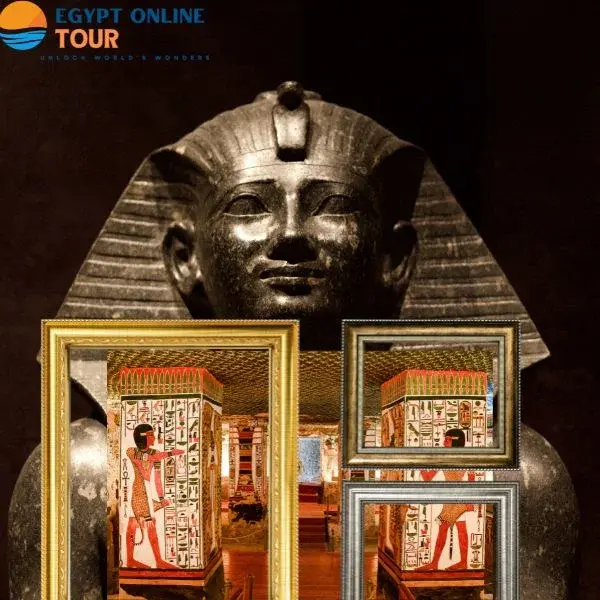
The Military Role of the Nobles in Ancient Egypt
Nobles played a crucial role not only in administration and religion but also in the military. They were key figures in leading the army and participating in military campaigns that expanded and protected the kingdom.
Nobles in the Army
- Military Leadership: Nobles held high-ranking positions such as battalion commanders and generals. Their elite training and social status made them well-suited to lead soldiers into battle.
- Strategic Planning: As advisors to the Pharaoh, nobles helped develop military strategies and war plans, ensuring Egypt’s dominance on the battlefield.
- Training and Oversight: They were responsible for training soldiers and equipping them with advanced weaponry, including chariots and specialized arms, to maintain a strong and prepared army.
Follow in the footsteps of Egypt’s warrior nobles—explore ancient battle sites on the 8 Days Egypt Christmas Tour .
Nobles in Military Campaigns
- Leading Expansion Campaigns: Nobles accompanied the Pharaoh on military expeditions, overseeing troops and ensuring successful conquests to extend Egypt’s borders.
- Defending the Kingdom: Their role wasn’t just about expansion; they also played a key part in protecting Egypt from invasions and securing its frontiers.
- Managing Conquered Lands: After victories, some nobles were assigned to govern newly acquired territories, strengthening Egypt’s control and stability.
The Impact of Nobles on Egypt’s Military Strength
Nobles were not just aristocrats; they were skilled warriors and strategists who contributed significantly to Egypt’s military power and long-term stability. Their leadership and expertise helped shape the nation’s history and ensured its protection for centuries.
The Education and Culture of Nobles in Ancient Egypt
Nobles enjoyed a top-tier education and a rich cultural upbringing, preparing them for leadership roles in various aspects of life.
Education wasn’t accessible to everyone—it was a privilege reserved for the elite, ensuring power remained within noble families.
From an early age, noble children received their education in royal palaces or specialized schools under the guidance of high priests and officials.
Education of the Nobles
- Reading and Writing: Learning hieroglyphics was essential for administrative roles and keeping official records.
- Management and Mathematics: Their education included subjects like arithmetic and geometry, helping them oversee land management and tax collection.
- Military Training: Nobles were trained in combat skills, horseback riding, and weaponry, preparing them for leadership positions in the army and military campaigns.
- Religious Studies: Since they played key roles in religious ceremonies, they studied ancient Egyptian beliefs and priestly teachings.
- Specialized Schools: Over time, education expanded to include military academies for leadership training, vocational schools for business and administration, and temple schools for religious studies.
Culture of the Nobles
- Literature and Arts: Nobles enjoyed reading stories, legends, and wisdom texts. They also learned to play musical instruments and practiced painting and sculpture.
- Social Life: They actively participated in royal celebrations and religious festivals, reinforcing their status within the royal court.
- Travel and Diplomacy: Some nobles traveled to foreign lands as part of diplomatic missions, broadening their knowledge of other cultures.
Thanks to their well-rounded education and rich cultural exposure, nobles played a crucial role in the prosperity of ancient Egypt. Whether in governance, military leadership, or religious duties, they were essential in maintaining the kingdom’s stability and power.
How did noblemen spend their free time in ancient Egypt?
Nobles led lives of luxury and privilege, allowing them to enjoy their leisure time through a variety of activities that combined entertainment, culture, and social engagement.
Games and Recreation
Board games were a popular pastime among the nobility, with Senet being one of the most well-known. Similar to modern chess, it required both strategy and luck.
The discovery of Senet boards in the tombs of high-ranking officials highlights its significance in Egyptian society.
Sports and Hunting
Hunting was a favored activity among nobles, practiced both for sport and skill development. They used bows and arrows, nets, and trained animals to hunt birds, fish, and larger game.
In addition, they engaged in sports like wrestling, archery, and boat racing along the Nile, all of which reflected their physical prowess and competitive spirit.
Music and the Arts
Music and dance played a central role in noble life, especially during celebrations and gatherings. They enjoyed performances featuring instruments like harps, flutes, and percussion.
Some nobles also pursued artistic interests, participating in painting, sculpture, and papyrus illustration.
Festivals and Social Gatherings
Religious festivals and grand celebrations provided opportunities for nobles to socialize and strengthen their connections.
These events featured music, dance, and elaborate feasts where guests enjoyed fine food and drink while engaging in intellectual discussions and entertainment.
Education and Cultural Exploration
Learning was highly valued among Egyptian nobility. Many devoted time to reading literary and philosophical texts, studying history, and mastering writing.
Some nobles also traveled on diplomatic or trade missions, which exposed them to new cultures and broadened their understanding of the world.
Through this diverse range of activities, ancient Egyptian nobles achieved a well-rounded lifestyle, balancing their official duties with intellectual enrichment and entertainment.
Their pursuit of culture, physical excellence, and social engagement helped shape a sophisticated and thriving society.
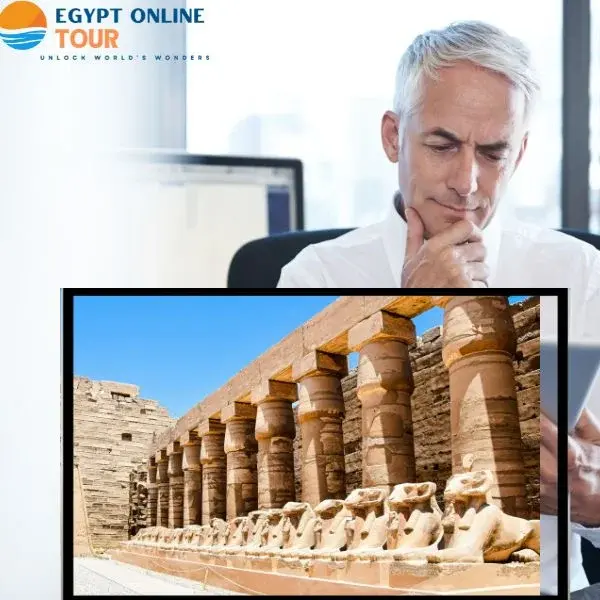
What did nobles in Ancient Egypt wear?
For nobles, clothing and adornments were more than just necessities—they were a statement of wealth, power, and refined taste. From luxurious fabrics to exquisite jewelry, every detail reflected their high social status and appreciation for fine craftsmanship.
Fabrics and Designs: A Story of Elegance
Nobles didn’t settle for ordinary fabrics; they wore only the finest materials like high-quality linen and silk, known for their softness and durability. Their clothing featured intricate embroidery, gold embellishments, and vibrant colors derived from rare natural dyes.
Flowing tunics and long robes were common, often decorated with patterns inspired by nature and religious symbols, giving their attire a unique and cultural significance.
Jewelry and Accessories: More Than Just Decoration
Jewelry wasn’t just about beauty—it symbolized power, protection, and prestige.Nobles adorned themselves with gold and silver necklaces, bracelets, rings, and earrings, often set with precious stones like turquoise and agate.
These pieces weren’t just accessories; they were believed to bring good fortune and safeguard their wearers.
Headpieces and Hairstyles: A Royal Touch
Headwear played a crucial role in noble fashion. Ornate crowns and colorful feathered headdresses signified rank and authority.
Hairstyles were just as important—many nobles wore wigs made from natural hair or plant fibers, elegantly decorated with gold ribbons and gemstones, adding an extra touch of sophistication.
Perfumes and Cosmetics: A Daily Luxury
Nobles took personal grooming seriously, incorporating fragrances into their daily routines:
- They used aromatic oils extracted from flowers and herbs to scent their clothes and skin.
- Natural cosmetics were also popular, including kohl to accentuate the eyes and mineral-based powders to enhance facial features, creating a polished and refined look.
A Reflection of Identity and Status
Noble fashion was more than just about looking good—it was a powerful expression of influence, heritage, and social standing.
Every carefully chosen detail, from fabric to fragrance, told a story of elegance and exclusivity, making nobles the ultimate trendsetters of their time.
Facts about Nobles in Ancient Egypt
The lives of nobles have always been surrounded by an air of elegance and privilege, but beyond the wealth and luxury, their world was filled with responsibilities, traditions, and power. Here’s a fascinating look into their daily lives, where prestige met duty:
1. Elite Education Fit for Leaders
For nobles, education wasn’t just an option—it was essential. They received private lessons in governance, arts, and politics. Training in horseback riding and hunting was also crucial to prepare them for leadership roles in both military and state affairs.
2. Fashion as a Status Symbol
Nobles wore the finest fabrics, like linen and silk, adorned with intricate embroidery and rare gemstones. Their clothing wasn’t just about looking good—it was a way to showcase power, influence, and social status.
3. Lavish Feasts with Rare Delicacies
Their dining tables were filled with luxurious foods like exotic fruits, fine meats, and honey-sweetened drinks. These banquets weren’t just about eating; they were grand displays of wealth, complete with golden tableware and floral decorations.
4. Entertainment Beyond Fun
Entertainment was an essential part of noble life. They played strategic games like “Senet” (an ancient version of chess), enjoyed chariot races, and took part in royal hunting expeditions. Music and dance were also key elements of their social gatherings.
5. Power and Influence in Every Decision
Nobles held key positions in the kingdom, serving as royal advisors, military commanders, and estate managers. Their influence extended beyond their titles, shaping policies and guiding the fate of their societies.
6. Perfumes and Beauty Rituals
Grooming was just as important for noblemen as it was for noblewomen. They used fragrant oils made from exotic flowers and applied natural cosmetics, such as kohl for defining their eyes, to enhance their distinguished appearance. Through our Grand Egyptian Museum Tour , you see priceless artifacts that once belonged to Egypt’s powerful noble families!
7. Palaces That Defined Luxury
Nobles lived in opulent palaces featuring lush gardens, grand fountains, and private baths. Their furniture was crafted from rare woods and precious metals, turning their homes into masterpieces of art and sophistication.
8. Symbols of Prestige and Uniqueness
Every noble had distinctive symbols that set them apart from commoners—royal seals, jewel-encrusted crowns, and embroidered sashes. These were not just accessories but powerful marks of their elite status.
9. Spirituality and Sacred Rituals
Nobles were deeply religious, actively participating in rituals and making offerings for protection and prosperity. Even in death, they ensured their tombs were decorated with inscriptions telling of their achievements, securing their legacy in the afterlife.
10. Noblewomen: The Silent Power
Noblewomen were not just wives or mothers; they played significant roles in managing estates and, in some cases, even influencing state affairs. Their presence in diplomatic events made them powerful figures behind the scenes.
The Decline of Nobility: From Power to Symbolism
Over the centuries, the role of nobility has undergone a dramatic shift—from ruling elites to cultural symbols in some societies.
In the Middle Ages, nobles held immense power, owning vast lands and playing key roles in politics and the military. However, as history unfolded, major economic and social transformations gradually diminished their influence.
Why Did Nobility Lose Its Power?
- The Rise of the Middle Class & the Industrial Revolution
With the emergence of the bourgeoisie during the Industrial Revolution, wealth was no longer tied solely to land ownership. Instead, trade and industry became the main sources of power, allowing the middle class to challenge and eventually surpass the nobility in economic influence. - The Spread of Democracy & Decline of Monarchies
As democratic movements gained momentum, aristocratic privileges were stripped away. Many countries abolished noble titles or reduced them to mere honorary distinctions with no real political weight. - A Shift in Social Structures
Modern societies started valuing merit and achievement over inherited status. Power and influence became more about personal success in business, politics, or culture rather than noble lineage.
What’s Left of Nobility Today?
While they no longer wield real power, some noble families still play a role in preserving cultural heritage and traditions. In certain countries, they maintain historic estates and participate in national ceremonies, but their influence is now largely symbolic rather than political or economic.
Nobility is no longer the dominant force it once was. Instead, it has become a part of history and tradition, with remnants of its influence lingering in heritage and culture rather than in governance or wealth. Today, success is determined by talent and hard work, not by birthright.
What happened to the noble families of Ancient Egypt?
Over time, noble families have lost the power and influence they once had in the Middle Ages when they controlled vast lands and held key leadership positions. However, rather than disappearing completely, many of these families have found ways to adapt and remain relevant in today’s society.
Why Did Noble Families Lose Their Influence?
- Economic Shifts: With the Industrial Revolution, wealth was no longer tied to land ownership but rather to trade and industry, reducing the economic dominance of the nobility.
- Rise of Democracy: As democratic values spread, hereditary privileges were diminished, and success became based on merit rather than family lineage.
- Major Social Changes: Societies began to value individual achievements over noble ancestry, weakening the traditional influence of noble families.
- Revolutions and Political Upheavals: Events like the French Revolution dismantled noble rule, forcing many aristocrats to either flee or adapt to a new reality.
How Did Noble Families Adapt?
Despite losing their traditional power, many noble families found new ways to sustain their legacy:
- Entering New Industries: Some turned to business and investments to maintain their wealth.
- Engaging in Politics: Without hereditary privileges, some nobles pursued political careers through elections and government roles.
- Preserving Their Heritage: Many transformed their ancestral estates into museums or tourist attractions to keep their history alive.
- Contributing to Society: Some families established charitable foundations and social initiatives to stay influential in a different way.
Where Are Noble Families Today?
While they no longer hold the political and economic power they once did, noble families still play a role in cultural heritage.
In some countries, noble titles remain as a symbolic part of history rather than a source of real influence. Instead of ruling, today’s nobility focuses on preserving their legacy and finding new ways to stay relevant in a modern world.
Where did royalty live in ancient Egypt?
Throughout history, both kings and nobles lived in grand residences, but there were significant differences between their homes. Royal palaces were symbols of absolute power, designed to impress and showcase wealth, while noble estates, though luxurious, were more practical and suited to managing land and regional affairs.
Over time, both types of residences evolved, with some still serving official roles and others becoming historical landmarks. Here’s a detailed comparison between royal palaces and noble residences:
| Aspect | Royal Palaces | Noble Residences |
| Size & Design | Massive, with gold decorations, marble columns, and intricate ceilings. Built to showcase grandeur, like the Palace of Versailles in France. | Large but smaller than royal palaces, with elegant architecture, yet more modest in extravagance, like noble country estates. |
| Location | Found in capitals or major cities, close to centers of power and governance, like Buckingham Palace in London. | Often located in rural areas or provinces, serving as administrative centers for noble estates. |
| Function & Use | A center of rule and authority, used for official meetings, hosting dignitaries, grand celebrations, and displaying royal strength. | Managed land and local affairs, sometimes hosting high-ranking guests but primarily serving administrative purposes. |
| Luxury & Amenities | Featured vast gardens, lakes, theaters, banquet halls, private wings for the royal court, and even royal zoos. | Had luxurious furniture and elegant reception halls, often with small gardens but lacking the extreme entertainment of royal palaces. |
| Defense Features | Rarely fortified as they were protected by royal armies and guards. | Medieval noble estates were often fortified castles, but this defensive role diminished over time. |
| Symbolism & Influence | Represented absolute power, reflecting the king’s dominance and serving as the country’s ruling headquarters. | Symbolized regional influence and social status but lacked the direct political power of a royal palace. |
| Legacy & Modern Use | Some still serve as official residences, while others have been converted into museums and tourist attractions. | Some remain in noble families for cultural or private use, while others have become hotels or institutions. |
Conclusion
Over time, noble and royal families lost much of their traditional power due to economic shifts, democratic changes, and evolving social structures. While nobility once controlled land and politics, modern times have pushed them toward business, politics, and philanthropy.
Royal palaces were grand symbols of authority, while noble residences were prestigious but more functional. Today, both serve as cultural landmarks or private properties. Though their influence has faded, these families remain part of history, preserving traditions and heritage