If you’re into ancient Egyptian history, Ramesses II will definitely amaze you with stories that still live on today. You’ll explore temples and statues that reflect his power and the greatness of his era in a way that brings the past to life.
Who Was Ramesses II?
Ramesses II was one of the most powerful and influential Pharaohs in ancient Egypt.
He wasn’t just another king—he was a ruler whose legacy still shapes Egyptian history today.
When we talk about Ramesses II, we talk about a Pharaoh known for long reign, powerful leadership, great victories, and incredible monuments that stand strong thousands of years later.
His life was full of major milestones: royal childhood, leadership training, major battles like the Battle of Kadesh, and iconic architectural achievements such as Abu Simbel and the Ramesseum.
During his era, Egypt reached its peak of power, expansion, and prestige. That’s why historians often call him Ramesses the Great.
If you want to understand the greatness of ancient Egypt, the journey begins with his story—his life, his reign, and the titles that defined him.
Sail in luxury on the Dahabiya Nile Cruise Aswan to Luxor , passing temples where Ramesses II left his mark.
Introduction to the Pharaoh’s Life
Ramesses II was born into a strong royal family and was chosen early as a future ruler.
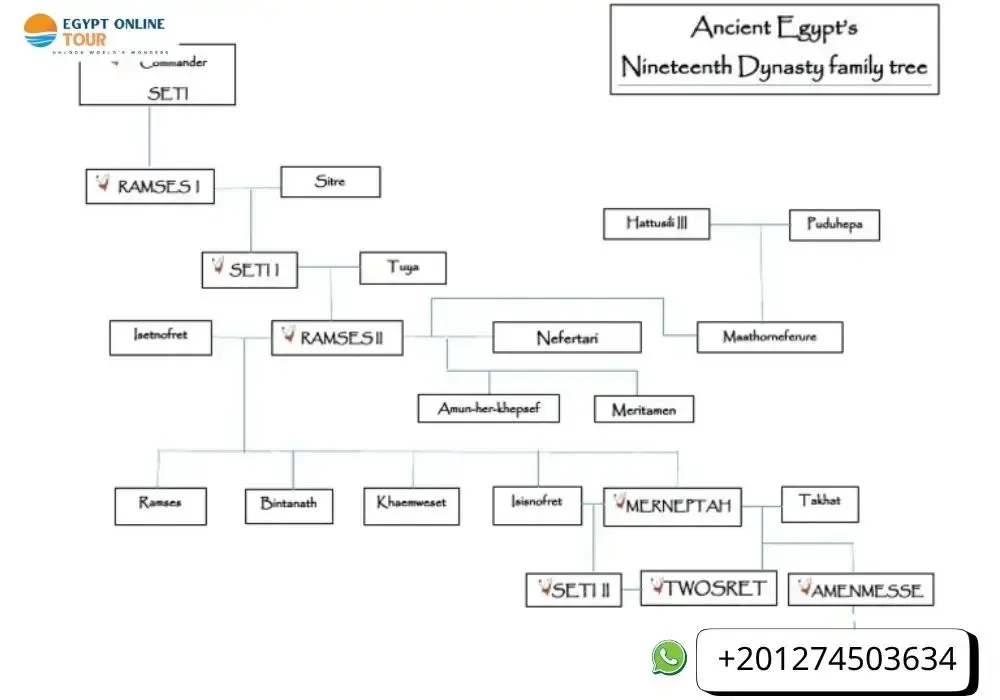
His father, Seti I, recognised his intelligence and leadership potential from a young age. He grew up surrounded by military training, royal advisors, and skilled teachers guiding him toward kingship.
From the beginning, he believed he was meant to create a legacy that would last forever—and he did. Ramesses II ruled for around 66 years, one of the longest reigns in Egyptian history.
This long rule gave him the chance to expand Egypt’s influence, build massive temples, and leave an unforgettable mark on ancient Egypt.
His journey from royal prince to one of the greatest Pharaohs shows how deeply he shaped Egyptian civilisation.
Enjoy Egypt tour packages , experiences filled with culture, history, and timeless pharaoh tales.
Titles and Names of Ramesses the Great
Ramesses II carried many powerful titles, each reflecting authority, divinity, and royal strength. Some of the most known include:
- “Ramesses the Great”: highlighting his long rule and accomplishments
- “Son of Ra”: symbolising his divine connection in ancient Egyptian religion
- “King of Upper and Lower Egypt”: the unifier of the Two Lands.
- “Strong in Truth”: expressing justice, leadership, and power
These titles and royal names were carved on temples, statues, and monuments—not just for decoration but as a testament to his greatness.
Every inscription carried a message, and every title reinforced his position as one of the most iconic rulers of Egyptian history.
Discover the world of Ramesses II with the 10 Days Cairo, Aswan, Luxor & Hurghada Overland Tour , where every corner holds a story of the great pharaoh.
Early Life and Rise to Power
The early life of Ramesses II was clearly aimed toward one goal: the throne. He was born into a household full of power and influence, which naturally shaped his worldview.
From a young age, he was treated as a future leader—learning warfare, making decisions, listening to experts, and appearing at important ceremonies with his father.
As the years passed, his influence grew, which is evident from the inscriptions and monuments showing that he began taking on major responsibilities while still young.
Priests, military leaders, and the royal court saw him as more than just a prince… he was a future Pharaoh in the making.
By the time he matured, the path to the throne was already paved, as he had been trained in every stage of governance well before taking power.
Experience timeless history with 8 Days Cairo, Luxor, Aswan Classic Tours , tracing the legacy of Ramesses II across Egypt’s greatest temples.
Family Background and Royal Lineage
Ramesses II was part of a powerful royal family that wielded real authority. His father, Seti I, is renowned for restoring Egypt’s military strength after periods of weakness and was highly respected among the army and government officials.
On his mother’s side, Queen Tuya played a key social and religious role and was widely respected by the people.
Having a wise mother and a strong father shaped Ramesses from an early age, raising him in an environment that valued knowledge, religion, and leadership.
Being part of the 19th Dynasty also meant that his family held significant influence over Egyptian society and the priesthood, which helped stabilise the kingdom when Ramesses ascended to the throne.
The foundation was solid, support was present, and the path to kingship required a strong personality—which Ramesses II perfectly embodied.
Explore centuries of royal history in the 5 Days Cairo to Luxor Tour Packages , where Ramesses II’s influence still shines.
Ascension to the Throne
The ascension of Ramesses II to the throne was smooth and orderly, without internal conflicts or civil wars—a rarity in ancient times.
Before officially becoming Pharaoh, he was appointed Crown Prince at a very young age and accompanied his father on military campaigns to gain firsthand experience.
By the time he took the throne, he wasn’t just a young ruler—he was a leader who understood the country inside out. Immediately upon becoming Pharaoh, he reorganised the administration, strengthened the army, and expanded Egypt’s influence in all directions.
His accession marked the start of a clear period of prosperity, as he entered power ready—trained, knowledgeable, and respected by both the people and the army.
The true secret of his strength was that kingship didn’t simply fall into his hands… he earned it.
Relive ancient glory through the 10 Days Round Trip Nile Cruise and Pyramids , sailing the same waters Ramesses II ruled.
Let our local travel experts help you design the perfect itinerary. Whether you're seeking adventure, culture, or relaxation, we've got you covered!
Military Campaigns and Victories
Ramesses II, also known as Ramesses the Great, was not just a Pharaoh famous for his monuments and temples—he was also a brilliant military leader.
His reign was marked by numerous Egyptian military campaigns and victories, which helped expand Egypt’s borders into Syria, Palestine, and the Levant.
These campaigns were not only about demonstrating power but also protecting trade routes, securing navigation, and establishing Egypt’s dominance over neighboring kingdoms.
Reveal ancient secrets on the 5 Days Cairo Alexandria Tour , tracing royal stories from Ramesses II to the great dynasties.
Battle of Kadesh Against the Hittites
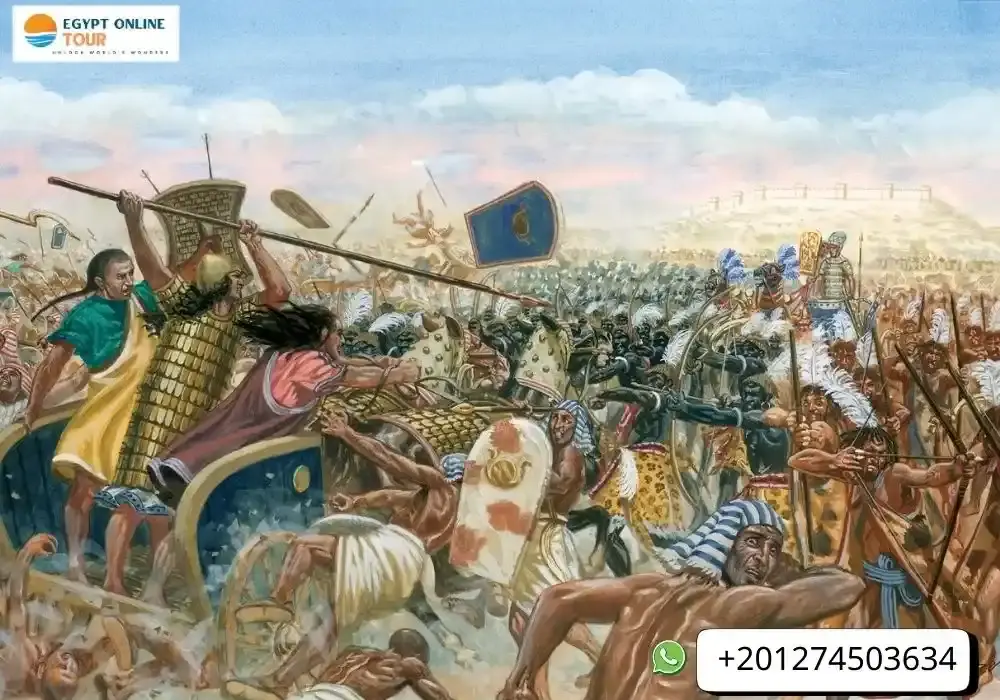
One of the most famous battles in the life of Ramesses II was the Battle of Kadesh against the Hittites, recorded in countless temples and inscriptions, especially at Karnak Temple.
The goal of the battle was to reclaim territories that had been lost by Egypt.
The battle was massive and challenging, but Ramesses II’s military strategy and personal bravery ensured that the Egyptian army held its ground.
His clever tactics, troop deployment, and ability to outsmart the enemy helped Egypt maintain its power and expand its influence after the battle.
Discover wonders shaped by kings on the 15 Days Marvelous Tour Package in Egypt , inspired by Ramesses II’s greatness.
Expansion of the Egyptian Empire
After the Battle of Kadesh, Ramesses II continued to expand the Egyptian Empire. His forces regained control of lost territories in Syria and Lebanon, extending Egypt’s influence further into the region.
This expansion was not only about conquest—it was also about securing vital trade routes and spreading ancient Egyptian culture in the newly controlled areas.
Every temple, monument, and inscription served as a clear message: Egypt was strong and its influence enduring. This made Ramesses II a name recognised not only in Egypt but across neighbouring lands.
Enjoy Egypt Classic Tours designed to unveil stories from Egypt’s most powerful ruler.
The First Recorded Peace Treaty
One of the most significant achievements of Ramesses II after the Battle of Kadesh was signing the first recorded peace treaty in history between Egypt and the Hittites.
This treaty established rules for coexistence and cooperation after long-standing conflicts between the two empires
The treaty inscriptions still exist in temples, showing that Ramesses II was not only a military genius but also a visionary political leader.
This historic peace agreement strengthened Egypt’s stability, enhanced the Pharaoh’s reputation, and cemented his legacy as a wise and powerful ruler.
Indulge in Luxury Egypt Tours where elegance meets ancient greatness, inspired by Ramesses II.
Architectural Legacy of Ramesses II
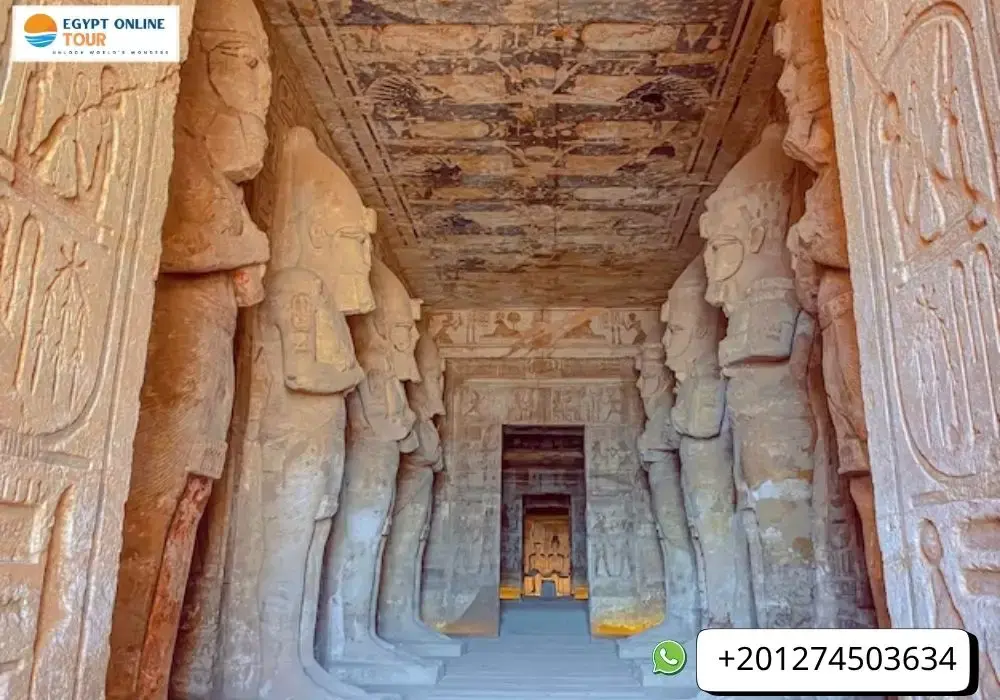
Ramesses II, also known as Ramesses the Great, was not only a famous Pharaoh and military leader but also a visionary architect of ancient Egypt.
Every temple, statue, and inscription he commissioned reflected his power, intellect, and ambition to make Egypt a lasting and mighty civilisation.
His reign saw monumental construction projects and detailed inscriptions that recorded his victories and life—projects that continue to awe visitors to Egypt even today.
Explore temples and treasures with the 7 Day Egypt Tour Cairo Nile Cruise and Luxor Temples , honouring the legacy of the Pharaoh of Pharaohs.
Temples Built by Ramesses II
Ramesses II constructed numerous Egyptian temples across the country, each sending a clear message of Egyptian power and royal authority. Key temples include:
- Karnak Temple: One of the largest temples of the ancient world, filled with colossal inscriptions depicting his battles, achievements, and royal life.
- Luxor Temple: A luxurious temple reflecting Egypt’s influence during its reign and the magnificence of ancient Egyptian architecture.
- Other temples in Upper Egypt, such as those in Memphis and Hatshepsut, showcase the combination of religious and political power and reinforce Egypt’s supremacy under his rule.
Each temple was a living testament to his accomplishments, immortalising his name in Egyptian history.
Abu Simbel – The Monument of Eternity
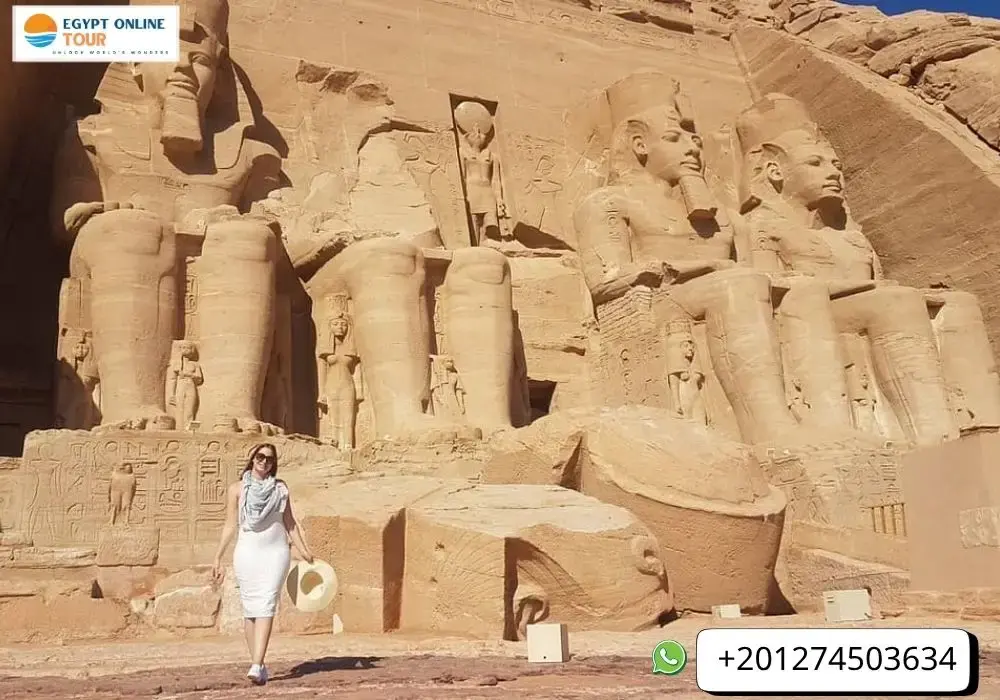
One of Ramesses II’s greatest architectural achievements was Abu Simbel – The Monument of Eternity in Aswan.
The temple is carved entirely into rock near the Nile, featuring massive statues of Ramesses II and his family.
Abu Simbel is remarkable not only for its colossal statues but also for the intricate inscriptions narrating its victories and royal life.
The temple served both political and religious purposes: it demonstrated Egypt’s power to foreign enemies while honouring the Egyptian gods.
Its survival to this day is proof of Ramesses II’s architectural genius and his skill in immortalising his legacy in stone.
Feel the spirit of Egypt’s greatest rulers with the Cairo and Sharm El Sheikh Vacation Package , blending culture and wonder.
The Ramesseum in Thebes
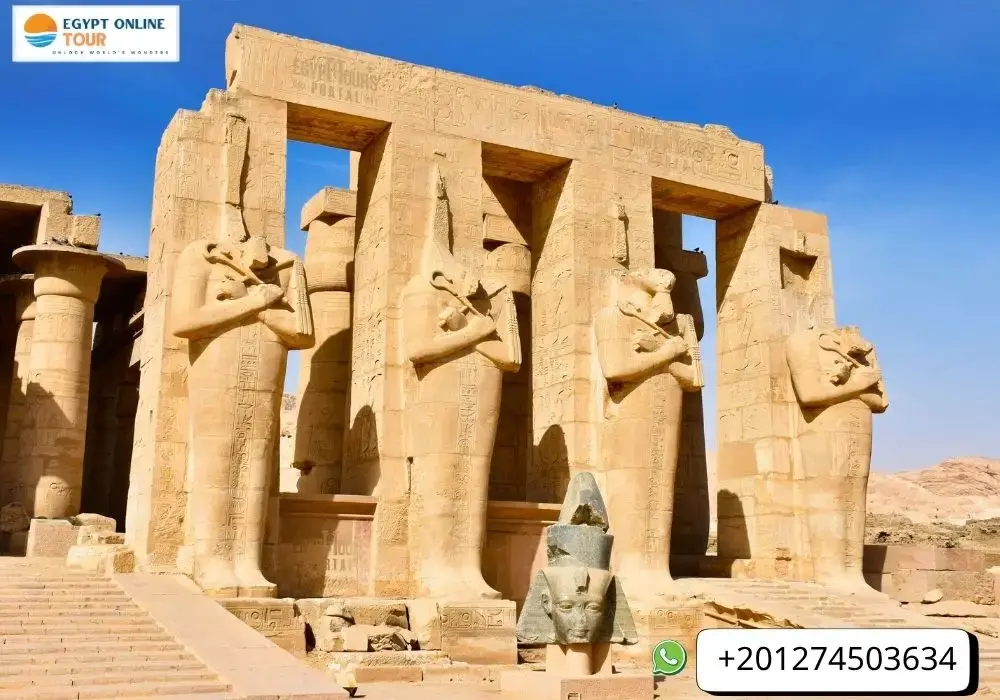
The Ramesseum in Thebes is the mortuary temple built by Ramesses II for himself. It is filled with colossal statues, halls, and inscriptions detailing his military campaigns and political achievements.
The Ramesseum was more than a religious site—it was a monument to cement his memory as one of Egypt’s greatest Pharaohs.
Every wall carving tells the story of his battles, victories, and divine connections.
Like Abu Simbel, the Ramesseum highlights Ramesses II’s dedication to architecture, art, and ensuring his name remains immortal in Egyptian history.
Dive into Egypt’s majestic past with the 12 Days Pyramids, Nile & Sinai Tour , inspired by the pharaoh who shaped an era.
Explore Ramesses II’s Legacy in Egypt – Book Your Tour
If you love history and want a unique experience, the Ramesses II legacy tour in Egypt lets you dive deep into the world of this legendary Pharaoh and explore the sites that immortalized his name and long reign.
This tour is more than just sightseeing—it’s like travelling back in time to the era of the Pharaohs, seeing first-hand his military, architectural, and religious achievements.
You’ll discover details about his life, personality, and the profound impact he had on ancient Egyptian civilization.
Visit Abu Simbel and Aswan Highlights
Abu Simbel in Aswan is a must-visit on this tour. Here, you’ll witness the massive statues of Ramesses II carved into the rock and the intricate inscriptions depicting his victories and royal life.
The tour also includes Aswan highlights such as Philae Temple, the High Dam, and the scenic Nile areas.
This experience gives you a full sense of the grandeur of ancient Egyptian architecture and how Ramesses II used monumental constructions to immortalise his legacy.
Explore Luxor’s Ramesseum Temple with a Guide
The Ramesseum in Luxor is the mortuary temple dedicated to Ramesses II, where you’ll gain deeper insights into his military and political life.
With a professional guide, you’ll explore every statue and inscription, learning about his military campaigns, achievements, and connections with the Egyptian gods.
This guided tour allows you to feel immersed in the world of the Pharaohs while admiring the architecture and carvings that have made Ramesses II one of history’s greatest rulers.
Step Inside the Tombs of Pharaohs and Queens
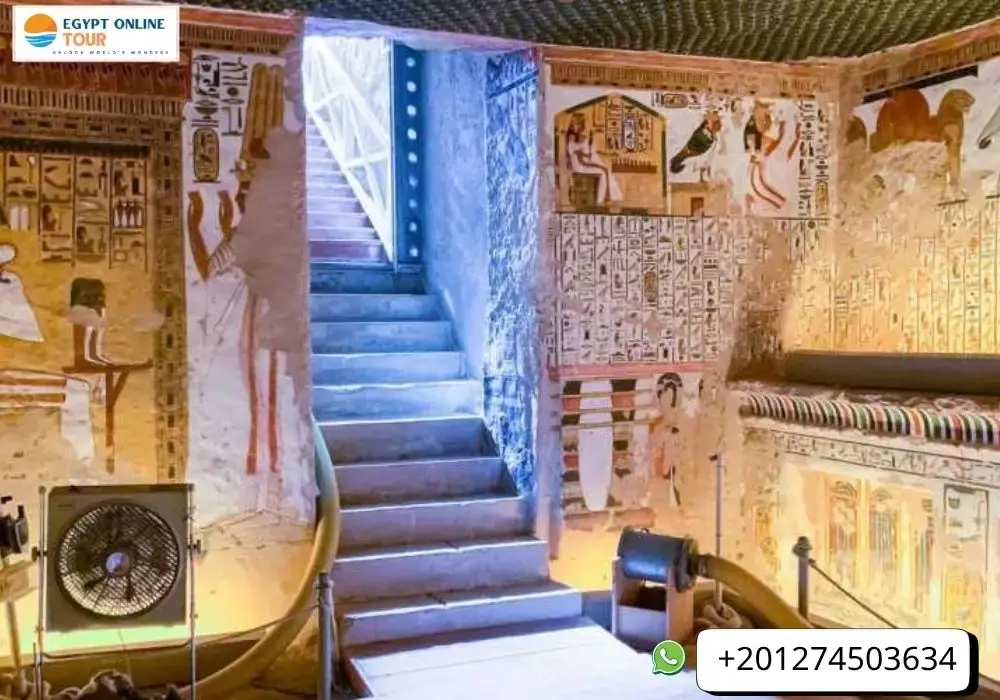
No tour of Ramesses II’s legacy is complete without visiting the Pharaohs’ and Queens’ tombs in the Valley of the Kings and the Valley of the Queens.
Here, you’ll see the complex tomb designs, wall paintings depicting the afterlife, and treasures buried with the royals.
This experience helps you understand the religious beliefs, royal life, and the incredible ancient Egyptian civilisation that made Ramesses II one of the most celebrated Pharaohs in history.
Personal Life and Family
Ramesses II was not just a powerful pharaoh or a military leader—his personal life played a crucial role in his success and the stability of his reign.
His royal family helped him solidify his authority and maintain political stability, making his name remembered not only for battles and monuments but also for the legacy of the Egyptian royal family.
His family life shows how power and influence were closely tied to personal and political relationships in ancient Egypt.
Wives: Nefertari, Isetnofret & More
His most famous wife was Nefertari, known for her beauty and intelligence, who played a major role in the religious and political life of the palace.
Nefertari was more than just a wife—she was a partner in reinforcing Ramesses’ image as a strong pharaoh, which is reflected in temples and inscriptions that depict her life and status alongside him.
He also had other wives like Isetnofret and more, each with her own role and importance in supporting the pharaoh both internally and externally.
These marriages were part of a strategic royal alliance network that helped Ramesses gain loyalty from priests, nobles, and the people, contributing to the long-term stability of his reign.
Witness the magic of the sky just like ancient Egyptians on the 2027 Solar Eclipse Tours Packages .
Children and Their Status
Ramesses II had a large number of sons and daughters, each with distinct responsibilities.
Some sons served in military roles, participating in campaigns to secure Egypt’s borders, while others were involved in religious affairs alongside the priests.
His daughters were often married off in political alliances with foreign rulers.
These children helped strengthen the pharaoh’s authority, creating a stable royal system that preserved the power and influence of the family.
Every member of the royal family was part of a larger picture that showcased the pharaoh’s strength and effective governance.
Enjoy an unforgettable journey with the 8-Nights Total Solar Eclipse Tour , blending cosmic beauty with Egypt’s pharaonic wonders.
Let our local travel experts help you design the perfect itinerary. Whether you're seeking adventure, culture, or relaxation, we've got you covered!
Religious and Cultural Influence
Ramesses II had a profound impact on ancient Egyptian religion and culture, evident in temples, statues, and inscriptions that immortalised him.
His relationship with the Egyptian gods helped him present himself as a “divine pharaoh” who ruled on behalf of the gods, ensuring the protection of Egypt and its people. This boosted his prestige among priests and citizens alike.
Temples and statues were not only places of worship or art—they were political and religious messages demonstrating his authority and greatness.
Relation with the Egyptian Gods
Ramesses II was deeply connected to the Egyptian gods, which is evident in every temple and inscription associated with him.
He worshipped Amun, Ra, and other important deities, considering himself the link between humans and the gods.
Every military victory or architectural project was aligned with divine approval, helping him earn the respect of priests and the people and reinforcing his legitimacy as a great pharaoh.
In temples like Karnak and Abu Simbel, inscriptions depict religious celebrations he sponsored and the rituals honouring the gods, highlighting how religion supported his rule.
Each text and carving demonstrates the relationship between the pharaoh and the gods, showing the importance of divine backing in legitimising his reign.
Explore Christian Holy Land Travel Tours Packages that connect spiritual history with the legacy of Egypt’s ancient kings.
Ramesses II in Egyptian Art and Statues
The statues and inscriptions made for Ramesses II were meant to immortalise him.
He appears in every major temple, often in colossal depictions showing his strong features and majestic posture. Egyptian art in his era not only reflects his appearance but also tells the story of his military victories, religious achievements, and political influence.
Temples and statues like the Ramesseum and Abu Simbel were powerful tools to spread messages about his authority and fair rule, ensuring that his name remained eternal.
Every detail in the carvings reflects his strength and greatness, giving visitors or readers a sense of how extraordinary Ramesses II was as a pharaoh.
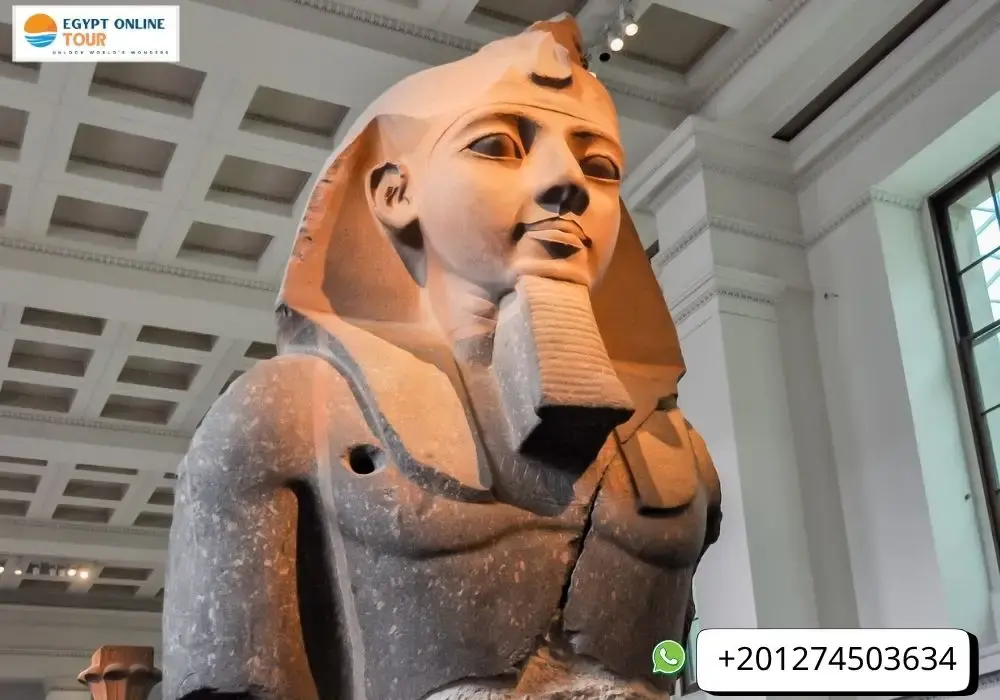
Death and Mummy of Ramesses II
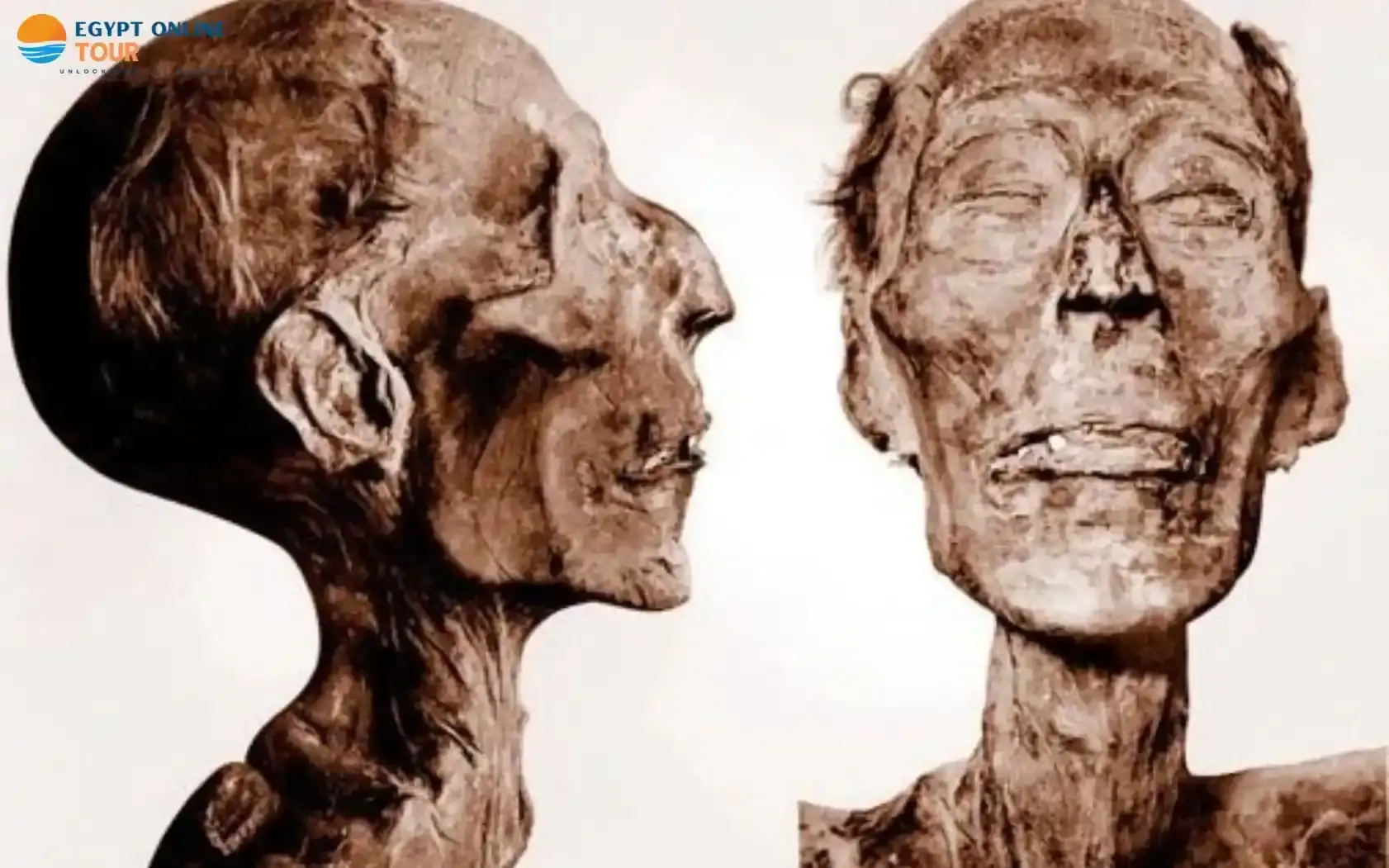
Ramesses II lived a long and eventful life full of achievements, and when the day of his death came, his body was preserved through remarkable mummification.
This allowed scientists to study him thousands of years later. His mummy shows how much the ancient Egyptians cared about the afterlife and confirms his status as a powerful and influential pharaoh.
The discovery of his mummy also helped researchers understand his health, lifestyle, and the duration and impact of his reign in ancient Egypt.
Discovery of the Mummy
The mummy of Ramesses II was discovered in the early 20th century in the Valley of the Kings, during archaeological expeditions searching for pharaohs’ tombs.
Despite thousands of years passing, the mummy was very well preserved, making this discovery a major milestone in the field of archaeology.
Detailed features such as his facial structure, teeth, and bones helped scientists learn accurate information about his health and the mummification techniques used by the ancient Egyptians.
Scientific Studies About His Remains
Extensive scientific studies have been conducted on the mummy of Ramesses II, including medical analyses, X-rays, and genetic testing. It was found that he lived to around 90 years old, which is extraordinary for his era.
These studies also revealed some of the diseases and injuries he suffered, helping researchers understand the lifestyle of ancient pharaohs, nutrition, and healthcare in ancient Egypt.
Each discovery provides new insights into Ramesses II’s life and his enduring power as a ruler.
Ramesses II in Modern Culture
Ramesses II is not only a historical figure but also a global symbol featured in movies, games, and modern literature.
His presence in global culture has introduced new generations to his intelligence and power, cementing him as a legendary pharaoh whose name remains well-known to this day.
References in Movies, Games, and Literature
Ramesses II has appeared in movies such as “The Prince of Egypt” and various games depicting ancient Egypt, symbolising strength and leadership.
In literature, his character is often used to illustrate political alliances, military campaigns, and strategic intelligence.
His consistent presence in modern culture keeps people engaged with ancient Egyptian history and informed about his remarkable achievements.
The Legacy of the “Ozymandias” Poem
The famous poem “Ozymandias” by Percy Bysshe Shelley made Ramesses II widely recognised worldwide.
The poem describes a great pharaoh whose power was immense, yet time eventually erodes all things.
It highlights the historical significance of Ramesses II and shows how, despite the passing of centuries, his achievements remain inspirational, and his name is immortalised in history and literature.
Why Ramesses II Is Called “The Great”
Ramesses II earned the title “The Great” because he was an exceptional pharaoh.
He ruled Egypt for a very long time, led major military campaigns, and expanded the Egyptian Empire.
He also built monumental temples such as Abu Simbel and the Ramesseum, had a profound religious influence, and was a symbol of strength and justice.
His power, intelligence, and leadership qualities made him the ideal pharaoh, which is why his name remains eternally honoured: Ramesses the Great.
Discover the World of Ramesses II – Book Your Online Tour Now!
Step into the era of Ramesses II, Egypt’s legendary pharaoh, and experience history like never before!
Explore his awe-inspiring temples, marvel at the grandeur of Abu Simbel, and uncover the secrets of the Ramesseum with our expert guides.
Booking your tour online is simple, fast, and guarantees you an unforgettable adventure into ancient Egypt.
Highlights of Your Ramesses II Tour:
- Abu Simbel & Aswan Sights: Walk through temples carved in stone and feel the pharaoh’s power.
- Luxor’s Ramesseum Temple: Discover the stories of Ramesses II’s reign with detailed guidance.
- Pharaohs’ Tombs: Step inside royal burial sites and experience the mystique of ancient Egypt.
- Learn His Life Story: From his family and rise to power to his military triumphs and cultural influence.
- Divine Connection:Understand his relationship with the Egyptian gods and his religious impact.
Don’t wait to witness the legacy of Ramesses the Great firsthand. Book your tour today and turn history into your next adventure!